The company has avoided borrowing funds from lenders and bankers
Steel

The company has avoided borrowing funds from lenders and bankers

             CW Top Challengers 2018-19

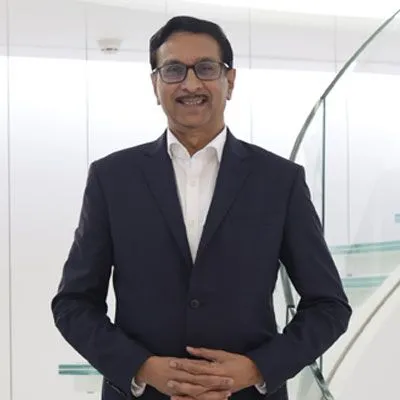
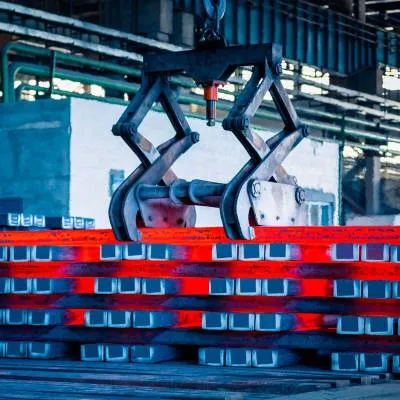
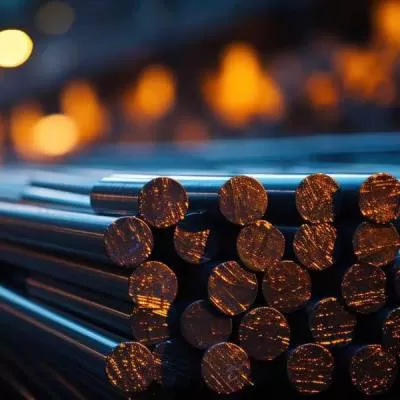
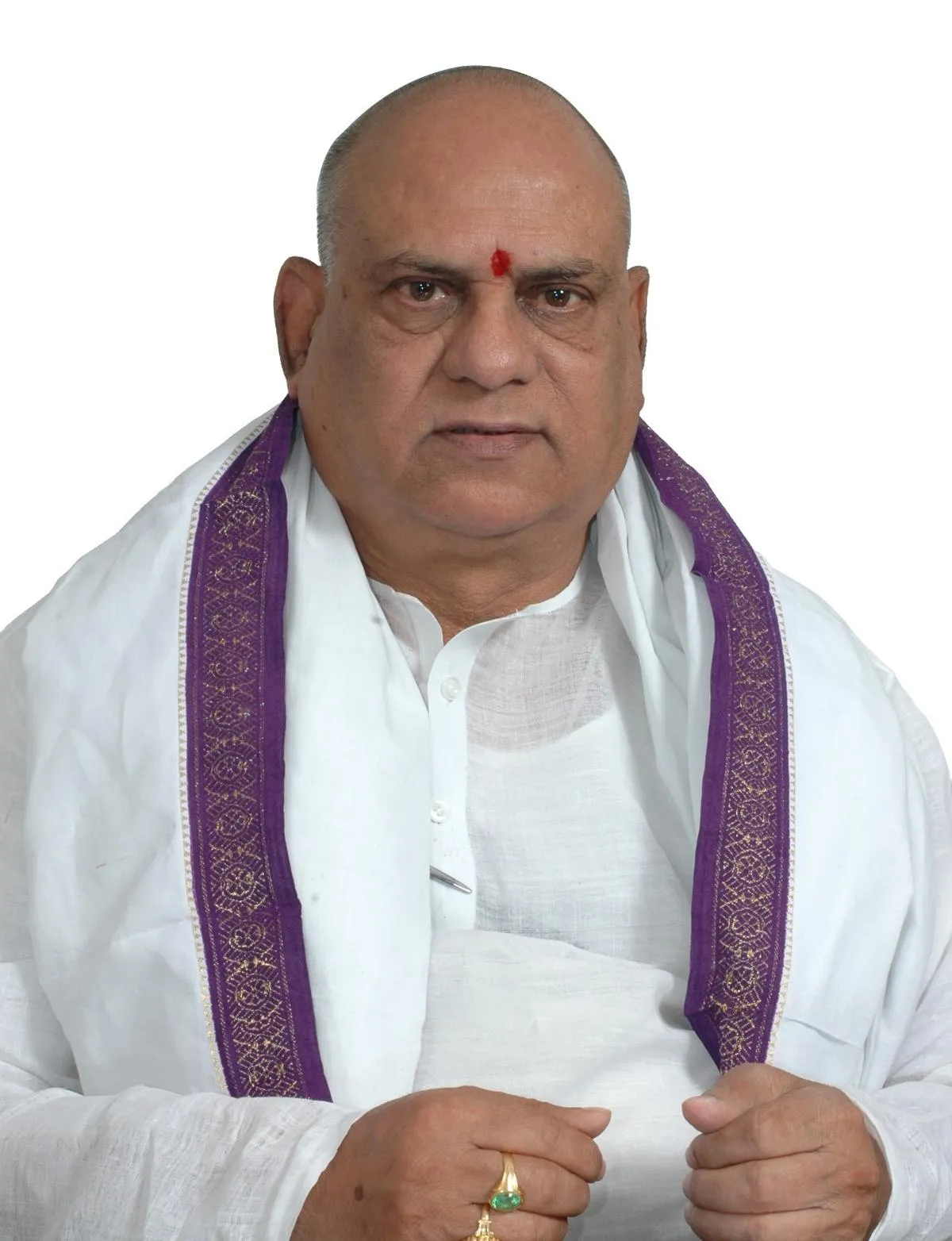
Gallantt Group made a humble beginning in 1984, with an investment of Rs 5 lakh in an oil extraction plant. At present, the group runs two primary steel plants with a captive power plant in Uttar Pradesh and Gujarat in the name of Gallantt Ispat and Gallantt Metal, respectively. Gallantt Ispat operates a steel plant, which comprises a sponge iron unit, steel melt shop with a continuous casting machine that produces MS billets, a rolling and block mill that produces TMT bars and wire rods, and a 53-mw captive power plant that ensures uninterrupted power supply to the entire facility. Mayank Agrawal, CEO, Gallantt Ispat, shares more….
 
Name one major challenge faced in FY2018-19. How did the company approach the same?
There was a shortage of raw material, especially iron ore. To overcome this crisis, we entered into a long-term understanding with Essel Mining & Industries, a Birla Group mining company in Odisha, with a commitment that 80 per cent of the required iron ore will be procured from them. This understanding helped us get discounts and finalise weekly sourcing as per requirement, reducing the shortage of iron ore and enabling us to run the plant smoothly. 

Our entire raw material is transported through railway rakes in bulk quantity. In 2018-19, there was a major crisis in the availability of railway rakes, owing to which we faced great difficulty in the beginning of the year. After vigorous persuasion with the railway authorities, we were upgraded as ‘Priority C’ category where the Railways alots the total quantity of rakes from various railway zones as per the requirement. This approval enabled us to overcome this transportation crisis. 

What is one decision you consider the biggest contributor to the company’s growth in FY2018-19?
Naturally, nobody takes the risk of expanding capacity during a recession period. But we did by expanding our steelmaking capacity twofold, making it 330,000 mtpa, and the power plant to 53 mw with an investment of Rs 2.5 billion. The ‘goddess of luck’ favoured us and proved our decision right as we could successfully complete the expansion programme at a lower capital cost, which resulted in negligible borrowing and reduced the interest burden. Simultaneously, when we commenced commercial production, the steel markets improved drastically, thereby helping the company reap the benefits of the expanded capacity.

Name one single factor you avoided that could have otherwise impacted the company’s topline and bottomline.
The company has avoided borrowing funds from lenders and bankers, which has kept us away from the clutches of the debt trap and burden of loan repayment and interest thereon. All our expansion programmes are going on with internal accruals. We are not solely dependent on indigenous procurements of raw materials and are importing raw materials at competitive prices

Going forward, what are your plans for the company’s growth in FY2019-20?
The company is undergoing further capacity enhancement of all manufacturing facilities and backward integration by adding a pelletisation plant to produce 800,000 mtpa of iron pellets with a capital expenditure of Rs.8 billion; of this, approximately Rs 0.70 billion has already been spent. Post this expansion, the finished steel making capacity increased from 3.30 lakh mtpa to 6.60 lakh mtpa. The expansion is expected to commence commercial production from March 2021 and will be completed in March 2022 in a phased manner.

Gallantt has forayed into the field of real estate with our flagship project: the development of a 12 lakh sq ft built-up area in a JV with a reputed developer in Lucknow, The Shalimar Group. Further, the company has a land bank of about 12 lakh sq ft in Gorakhpur, which will also be developed into world-class commercial and residential complexes. The group is coming up with a five-star and three-star hotel in Gorakhpur in collaboration with Taj Vivanta. The group has already signed an agreement with Indian Hotels Company for construction of the proposed five-star hotel. Last, we are planning to construct a multiplex cum three-star hotel-cum-banquet hall too.

Read on the CW Top Challengers selection criteria and methodology at https://www.constructionworld.in/articles/beststories/CW-identifies-the-Top-Challengers-of-FY2019/21687


             CW Top Challengers 2018-19Gallantt Group made a humble beginning in 1984, with an investment of Rs 5 lakh in an oil extraction plant. At present, the group runs two primary steel plants with a captive power plant in Uttar Pradesh and Gujarat in the name of Gallantt Ispat and Gallantt Metal, respectively. Gallantt Ispat operates a steel plant, which comprises a sponge iron unit, steel melt shop with a continuous casting machine that produces MS billets, a rolling and block mill that produces TMT bars and wire rods, and a 53-mw captive power plant that ensures uninterrupted power supply to the entire facility. Mayank Agrawal, CEO, Gallantt Ispat, shares more…. Name one major challenge faced in FY2018-19. How did the company approach the same?There was a shortage of raw material, especially iron ore. To overcome this crisis, we entered into a long-term understanding with Essel Mining & Industries, a Birla Group mining company in Odisha, with a commitment that 80 per cent of the required iron ore will be procured from them. This understanding helped us get discounts and finalise weekly sourcing as per requirement, reducing the shortage of iron ore and enabling us to run the plant smoothly. Our entire raw material is transported through railway rakes in bulk quantity. In 2018-19, there was a major crisis in the availability of railway rakes, owing to which we faced great difficulty in the beginning of the year. After vigorous persuasion with the railway authorities, we were upgraded as ‘Priority C’ category where the Railways alots the total quantity of rakes from various railway zones as per the requirement. This approval enabled us to overcome this transportation crisis. What is one decision you consider the biggest contributor to the company’s growth in FY2018-19?Naturally, nobody takes the risk of expanding capacity during a recession period. But we did by expanding our steelmaking capacity twofold, making it 330,000 mtpa, and the power plant to 53 mw with an investment of Rs 2.5 billion. The ‘goddess of luck’ favoured us and proved our decision right as we could successfully complete the expansion programme at a lower capital cost, which resulted in negligible borrowing and reduced the interest burden. Simultaneously, when we commenced commercial production, the steel markets improved drastically, thereby helping the company reap the benefits of the expanded capacity.Name one single factor you avoided that could have otherwise impacted the company’s topline and bottomline.The company has avoided borrowing funds from lenders and bankers, which has kept us away from the clutches of the debt trap and burden of loan repayment and interest thereon. All our expansion programmes are going on with internal accruals. We are not solely dependent on indigenous procurements of raw materials and are importing raw materials at competitive pricesGoing forward, what are your plans for the company’s growth in FY2019-20?The company is undergoing further capacity enhancement of all manufacturing facilities and backward integration by adding a pelletisation plant to produce 800,000 mtpa of iron pellets with a capital expenditure of Rs.8 billion; of this, approximately Rs 0.70 billion has already been spent. Post this expansion, the finished steel making capacity increased from 3.30 lakh mtpa to 6.60 lakh mtpa. The expansion is expected to commence commercial production from March 2021 and will be completed in March 2022 in a phased manner.Gallantt has forayed into the field of real estate with our flagship project: the development of a 12 lakh sq ft built-up area in a JV with a reputed developer in Lucknow, The Shalimar Group. Further, the company has a land bank of about 12 lakh sq ft in Gorakhpur, which will also be developed into world-class commercial and residential complexes. The group is coming up with a five-star and three-star hotel in Gorakhpur in collaboration with Taj Vivanta. The group has already signed an agreement with Indian Hotels Company for construction of the proposed five-star hotel. Last, we are planning to construct a multiplex cum three-star hotel-cum-banquet hall too.Read on the CW Top Challengers selection criteria and methodology at https://www.constructionworld.in/articles/beststories/CW-identifies-the-Top-Challengers-of-FY2019/21687

Next Story
Resources

Jyoti Structures Launches Heat Safety Drive Across Sites

Jyoti Structures (JSL) has strengthened heat safety measures across its project sites and manufacturing facilities as temperatures rise across India. The company has implemented a Summer Safety Plan covering all transmission line projects to address risks related to heat stress, dehydration and worker fatigue.The initiative includes rescheduling work away from peak afternoon temperatures, provision of drinking water, ORS and lemon-salt solutions, and installation of rest shelters near work areas. Daily toolbox talks, worker health monitoring, first-aid preparedness, emergency transport arrange..

Next Story
Real Estate

MHADA Declares 82 Buildings Most Dangerous in Central and South Mumbai

The Maharashtra Housing and Area Development Authority (MHADA) has declared 82 buildings as most dangerous across Central and South Mumbai and has appealed to residents to vacate immediately. The list, prepared after structural assessments by the authority, identifies buildings judged to pose imminent risk to occupants and to passersby. Local civic bodies have been asked to coordinate evacuations and to make arrangements for temporary shelter and rehabilitation for displaced households. Officials said the authority prioritised buildings with visible structural distress, severe cracking, tiltin..

Next Story
Infrastructure Transport

Damage Reported At Halwara Airport Terminal After First Rains

Severe damage was reported at the terminal of Halwara Airport during the first major rain spell of the season, prompting immediate concern among aviation and local authorities. Images from the site showed water ingress and visible deterioration of the terminal interior, affecting passenger areas and ancillary services. The airport authority suspended certain operations temporarily to assess structural safety and ensure passenger wellbeing. Preliminary inspections have prioritised electrical systems and roof seals to prevent further water ingress. State aviation officials ordered a formal inqui..

Advertisement

Subscribe to Our Newsletter

Get daily newsletters around different themes from Construction world.

STAY CONNECTED

Advertisement

Advertisement

Advertisement