Why steel lends itself well to structures, exteriors and interiors
Steel

Why steel lends itself well to structures, exteriors and interiors

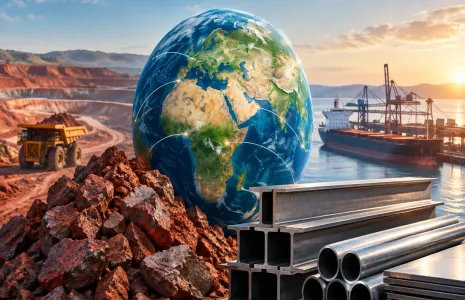
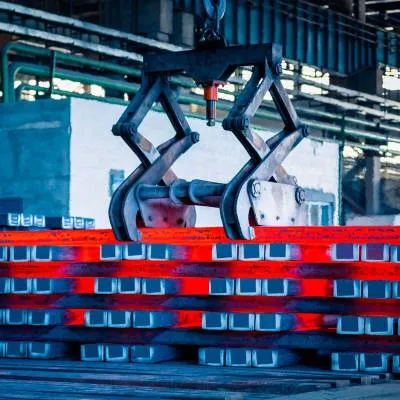
India’s per-capita consumption of steel has increased close to 30 per cent in the past five years, from 57.6 kg to 74.1 kg. While much of this growth can be attributed to the expansion of the country’s rail and metro infrastructure, CW explored the options of using steel in the built environment. In the high-rise segment, steel buildings are still not the norm in India despite their many advantages listed out by the architect associated with our profiled case. However, the pre-engineered building segment is expected to expand at close to 12 per centthrough to 2030. We feature two examples of factory-made structures to showcase that segment’s wide breadth of possibilities. Steel exteriors (façades) both accentuate the aesthetics of a building and add functionality, as our case shows. Last but not least, steel fixtures and furniture are another application with potential, CW reckons, especially if more interior companies base their product portfolios on deep research like the one we have featured.

Why steel?

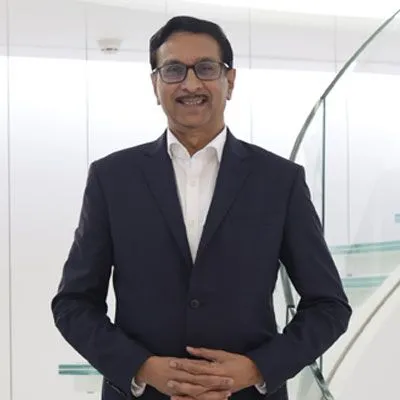
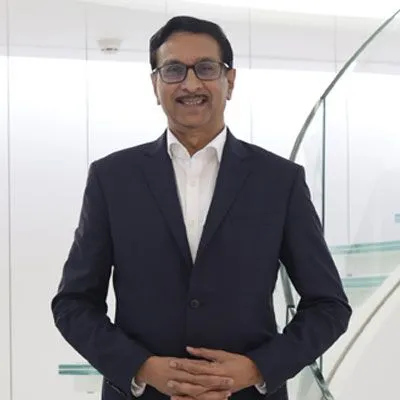
“At VGA, we aim to bring in design efficiencies through careful detailing to deliver efficient, timely and cost-sensitive building solutions,” Akanksha Gupta, Partner, Vijay Gupta Architects (VGA) explains. “Steel, as a material, reaches for utmost precision, resulting in greater construction quality. In this effort, steel granted us clean and crisp lines while ensuring durability and amazing aesthetics from the distinctively patterned façade.”

To read the full article, CLICK HERE.

India’s per-capita consumption of steel has increased close to 30 per cent in the past five years, from 57.6 kg to 74.1 kg. While much of this growth can be attributed to the expansion of the country’s rail and metro infrastructure, CW explored the options of using steel in the built environment. In the high-rise segment, steel buildings are still not the norm in India despite their many advantages listed out by the architect associated with our profiled case. However, the pre-engineered building segment is expected to expand at close to 12 per centthrough to 2030. We feature two examples of factory-made structures to showcase that segment’s wide breadth of possibilities. Steel exteriors (façades) both accentuate the aesthetics of a building and add functionality, as our case shows. Last but not least, steel fixtures and furniture are another application with potential, CW reckons, especially if more interior companies base their product portfolios on deep research like the one we have featured. Why steel? “At VGA, we aim to bring in design efficiencies through careful detailing to deliver efficient, timely and cost-sensitive building solutions,” Akanksha Gupta, Partner, Vijay Gupta Architects (VGA) explains. “Steel, as a material, reaches for utmost precision, resulting in greater construction quality. In this effort, steel granted us clean and crisp lines while ensuring durability and amazing aesthetics from the distinctively patterned façade.” To read the full article, CLICK HERE.

Next Story
Infrastructure Energy

Vedanta Aluminium Uses 1.57 bn Units of Green Energy in FY25

Vedanta Aluminium, India’s largest aluminium producer, recently reported consumption of 1.57 billion units of renewable energy in FY25, marking a significant milestone in its 2030 decarbonisation roadmap. The company also achieved an 8.96 per cent reduction in greenhouse gas (GHG) emissions intensity compared to FY21, reinforcing its leadership in India’s low-carbon manufacturing transition. During FY25, Vedanta Aluminium expanded its renewable energy portfolio through long-term power purchase agreements, strengthening its strategy to source nearly 1,500 MW of renewable power over the lon..

Next Story
Real Estate

Oberoi Group to Develop Luxury Resort at Makaibari Tea Estate

EIH Limited, the flagship company of The Oberoi Group, has announced the signing of a management agreement to develop an Oberoi luxury resort at the iconic Makaibari Tea Estate in Darjeeling. The project marks a key milestone in the Group’s long-term strategy of creating distinctive hospitality experiences in rare and environmentally significant locations. Established in 1859, Makaibari is one of the world’s oldest tea estates and is globally recognised for its Himalayan landscape, primary forests and exceptional biodiversity. Spread across 1,236 acres, the estate houses one of the world..

Next Story
Real Estate

GHV Infra Secures Rs 1.09 Bn EPC Order in Jamshedpur

GHV Infra Projects Ltd, a fast-growing EPC company in India’s infrastructure and construction sector, has recently secured a Rs 1.09 billion work order in Jamshedpur, Jharkhand. Awarded by a reputed group entity, the contract covers end-to-end civil construction, mechanical, electrical and plumbing (MEP) systems, along with high-quality finishing works for a large building development. The project will be executed over a 30-month period, with defined benchmarks for quality, safety and timely delivery. The order strengthens GHV Infra’s footprint in Jamshedpur, a key industrial hub known fo..

Advertisement

Subscribe to Our Newsletter

Get daily newsletters around different themes from Construction world.

STAY CONNECTED

Advertisement

Advertisement

Advertisement

Advertisement

Open In App