Adani Group to Invest Rs 300 Bn in Navi Mumbai Airport Expansion
AVIATION & AIRPORTS

Adani Group to Invest Rs 300 Bn in Navi Mumbai Airport Expansion

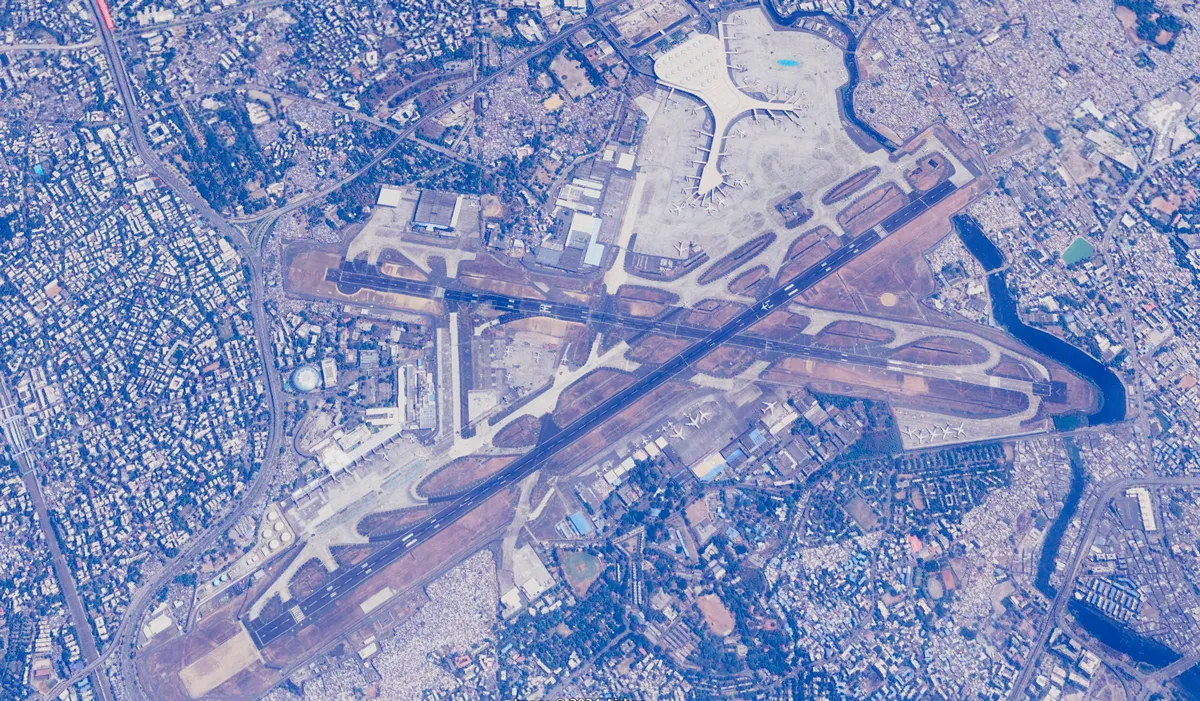
The Adani Group plans to invest an additional Rs 300 billion to expand the Navi Mumbai International Airport, ahead of its inauguration by Prime Minister Narendra Modi this week. The airport is set to begin operations in December 2025.

The group has already invested around Rs 200 billion in developing the greenfield airport and has started design work for the second terminal, which is expected to be commissioned by 2029. Funding for this expansion will come through a mix of debt and equity, while the Maharashtra government holds a 26 per cent stake in the project.

Once fully operational, the airport will have a total capacity of 90 million passengers per annum (mppa), making it India’s largest airport by capacity. The first phase, with a single runway, will handle 20 mppa for both domestic and international flights. Airlines such as Akasa Air, IndiGo, and Air India are already confirmed for operations, supporting 20–23 aircraft movements per hour initially.

Connectivity enhancements include the newly opened Atal Setu, reducing travel time from South Mumbai to about 20 minutes, along with planned Metro extensions and a proposed Mumbai–Hyderabad high-speed rail corridor passing near the airport.

The second phase will add 30 million passenger capacity, a major cargo terminal, and India’s largest maintenance, repair, and overhaul (MRO) facility with five large hangars. The cargo terminal will handle 3.8 million tonnes per annum, positioning Navi Mumbai as one of the country’s largest cargo hubs.


News source: Business Standard

The Adani Group plans to invest an additional Rs 300 billion to expand the Navi Mumbai International Airport, ahead of its inauguration by Prime Minister Narendra Modi this week. The airport is set to begin operations in December 2025.The group has already invested around Rs 200 billion in developing the greenfield airport and has started design work for the second terminal, which is expected to be commissioned by 2029. Funding for this expansion will come through a mix of debt and equity, while the Maharashtra government holds a 26 per cent stake in the project.Once fully operational, the airport will have a total capacity of 90 million passengers per annum (mppa), making it India’s largest airport by capacity. The first phase, with a single runway, will handle 20 mppa for both domestic and international flights. Airlines such as Akasa Air, IndiGo, and Air India are already confirmed for operations, supporting 20–23 aircraft movements per hour initially.Connectivity enhancements include the newly opened Atal Setu, reducing travel time from South Mumbai to about 20 minutes, along with planned Metro extensions and a proposed Mumbai–Hyderabad high-speed rail corridor passing near the airport.The second phase will add 30 million passenger capacity, a major cargo terminal, and India’s largest maintenance, repair, and overhaul (MRO) facility with five large hangars. The cargo terminal will handle 3.8 million tonnes per annum, positioning Navi Mumbai as one of the country’s largest cargo hubs.News source: Business Standard

Next Story
Infrastructure Energy

Vedanta Aluminium Uses 1.57 bn Units of Green Energy in FY25

Vedanta Aluminium, India’s largest aluminium producer, recently reported consumption of 1.57 billion units of renewable energy in FY25, marking a significant milestone in its 2030 decarbonisation roadmap. The company also achieved an 8.96 per cent reduction in greenhouse gas (GHG) emissions intensity compared to FY21, reinforcing its leadership in India’s low-carbon manufacturing transition. During FY25, Vedanta Aluminium expanded its renewable energy portfolio through long-term power purchase agreements, strengthening its strategy to source nearly 1,500 MW of renewable power over the lon..

Next Story
Real Estate

Oberoi Group to Develop Luxury Resort at Makaibari Tea Estate

EIH Limited, the flagship company of The Oberoi Group, has announced the signing of a management agreement to develop an Oberoi luxury resort at the iconic Makaibari Tea Estate in Darjeeling. The project marks a key milestone in the Group’s long-term strategy of creating distinctive hospitality experiences in rare and environmentally significant locations. Established in 1859, Makaibari is one of the world’s oldest tea estates and is globally recognised for its Himalayan landscape, primary forests and exceptional biodiversity. Spread across 1,236 acres, the estate houses one of the world..

Next Story
Real Estate

GHV Infra Secures Rs 1.09 Bn EPC Order in Jamshedpur

GHV Infra Projects Ltd, a fast-growing EPC company in India’s infrastructure and construction sector, has recently secured a Rs 1.09 billion work order in Jamshedpur, Jharkhand. Awarded by a reputed group entity, the contract covers end-to-end civil construction, mechanical, electrical and plumbing (MEP) systems, along with high-quality finishing works for a large building development. The project will be executed over a 30-month period, with defined benchmarks for quality, safety and timely delivery. The order strengthens GHV Infra’s footprint in Jamshedpur, a key industrial hub known fo..

Advertisement

Subscribe to Our Newsletter

Get daily newsletters around different themes from Construction world.

STAY CONNECTED

Advertisement

Advertisement

Advertisement

Advertisement

Open In App