+
Barapullah Phase 3 Flyover Exposes Delhi Traffic Failure
ROADS & HIGHWAYS

Barapullah Phase 3 Flyover Exposes Delhi Traffic Failure

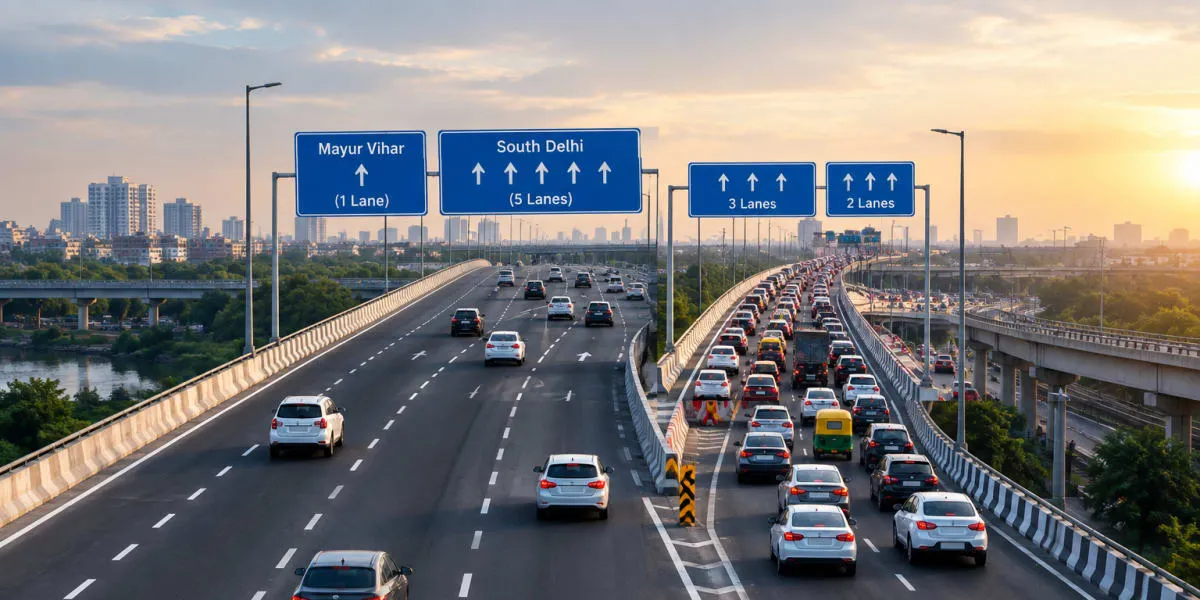
The Barapullah Phase 3 flyover has opened with six lanes but quickly exposed a capacity gap at its connection with the older Phase 2 stretch. One lane serves Mayur Vihar and five lead towards South Delhi before merging into a three-lane carriageway and then a two-lane flyover. The arrangement forces traffic from multiple lanes into a narrower section within a short distance, creating a bottleneck between East Delhi and South Delhi.

The problem has been intensified by the project’s delayed delivery. Originally scheduled for completion in 2017, the flyover opened in 2026 after construction delays of nine years. During that period, vehicle ownership, travel patterns and links between East Delhi, Noida, Ghaziabad and South Delhi changed substantially. The road network serving the project is therefore different from the one considered when its traffic requirements were assessed.

Urban practitioner Hitesh Vaidya, formerly associated with the National Institute of Urban Affairs, said flyovers often shift traffic between levels without reducing the total number of vehicles using a network. Prof P S N Rao, former director of Delhi’s School of Planning and Architecture, called for a detailed survey of traffic volumes and destinations, questioning whether surveys conducted more than 20 years ago remained adequate. He also argued that stronger public transport, including more Metro lines, would address the underlying dependence on roads more effectively than additional flyovers.

Delhi’s immediate response is operational. Officials told the Indian Express that Delhi Police was using barricades, traffic lights and personnel to manage the merge following a drone survey. An additional signal is also being used to prevent all lanes from entering the narrower section simultaneously, although these measures do not increase downstream capacity or establish a permanent redesign.

Examples from other cities show that congestion can sometimes be managed through operations and demand reduction rather than construction alone. A 2006 system near Birmingham using Hard Shoulder Running and Variable Mandatory Speed Limits reduced average travel time by more than 32 per cent, according to an assessment cited in the report. In Seoul, removing a six-lane highway in 2003 to restore the Cheonggyecheon River was followed by a reported decline of more than 45 per cent in vehicular traffic. Barapullah’s outcome will ultimately depend on whether the wider network moves traffic efficiently, rather than simply on the completion of the flyover.

The Barapullah Phase 3 flyover has opened with six lanes but quickly exposed a capacity gap at its connection with the older Phase 2 stretch. One lane serves Mayur Vihar and five lead towards South Delhi before merging into a three-lane carriageway and then a two-lane flyover. The arrangement forces traffic from multiple lanes into a narrower section within a short distance, creating a bottleneck between East Delhi and South Delhi. The problem has been intensified by the project’s delayed delivery. Originally scheduled for completion in 2017, the flyover opened in 2026 after construction delays of nine years. During that period, vehicle ownership, travel patterns and links between East Delhi, Noida, Ghaziabad and South Delhi changed substantially. The road network serving the project is therefore different from the one considered when its traffic requirements were assessed. Urban practitioner Hitesh Vaidya, formerly associated with the National Institute of Urban Affairs, said flyovers often shift traffic between levels without reducing the total number of vehicles using a network. Prof P S N Rao, former director of Delhi’s School of Planning and Architecture, called for a detailed survey of traffic volumes and destinations, questioning whether surveys conducted more than 20 years ago remained adequate. He also argued that stronger public transport, including more Metro lines, would address the underlying dependence on roads more effectively than additional flyovers. Delhi’s immediate response is operational. Officials told the Indian Express that Delhi Police was using barricades, traffic lights and personnel to manage the merge following a drone survey. An additional signal is also being used to prevent all lanes from entering the narrower section simultaneously, although these measures do not increase downstream capacity or establish a permanent redesign. Examples from other cities show that congestion can sometimes be managed through operations and demand reduction rather than construction alone. A 2006 system near Birmingham using Hard Shoulder Running and Variable Mandatory Speed Limits reduced average travel time by more than 32 per cent, according to an assessment cited in the report. In Seoul, removing a six-lane highway in 2003 to restore the Cheonggyecheon River was followed by a reported decline of more than 45 per cent in vehicular traffic. Barapullah’s outcome will ultimately depend on whether the wider network moves traffic efficiently, rather than simply on the completion of the flyover.

Related Stories

Gold Stories

Next Story
Infrastructure Energy

Perkins Begins Production of 5016 Power Generation Engine

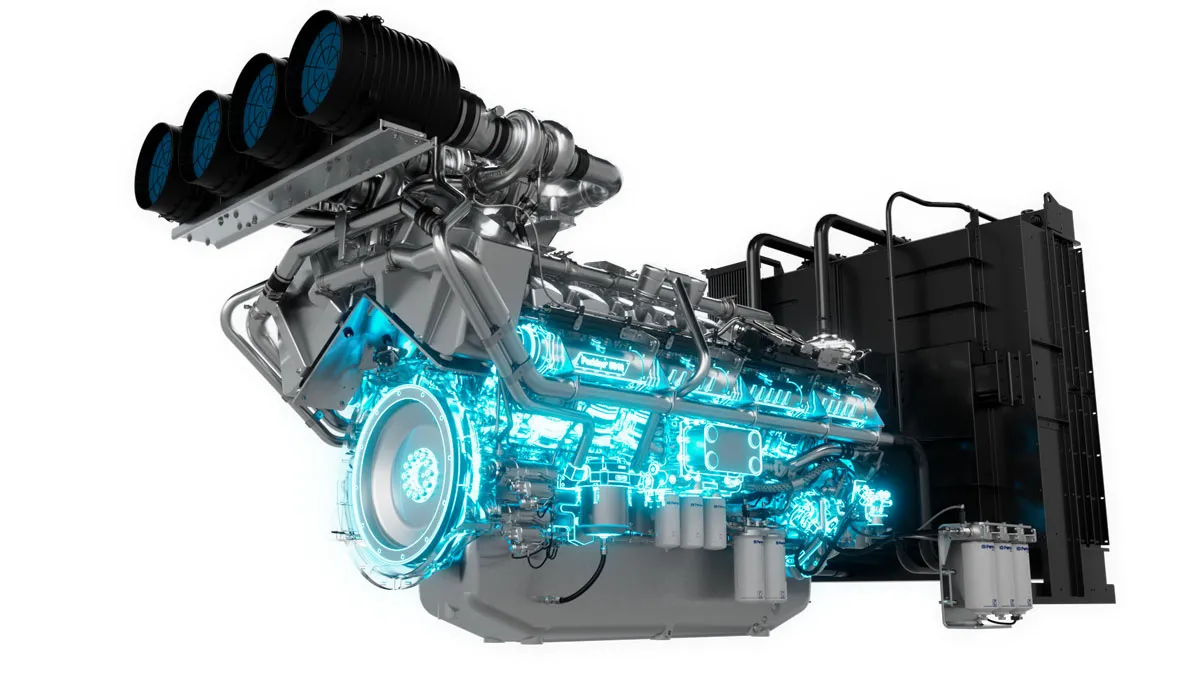
Perkins has commenced production of its new 5016 full-authority electronic engine, completing its 5000 Series range of 6-, 8-, 12- and 16-cylinder engines. Manufactured in Stafford, UK, and Aurangabad, India, the range delivers up to 2,500 kVA of standby power and 2,250 kVA of prime power.The 61-litre V16 engine delivers 1,400–2,500 kVA at 50 Hz for base load, prime and standby applications. Designed for power generation, it supports critical infrastructure, including data centres, hospitals, airports and remote worksites.Engineered to meet ISO G3 and NFPA110 standards, the 5016 incorporates..

Next Story
Real Estate

JAPAN BUILD Tokyo 2026 Expects 35,000 Visitors

RX Japan GK will organise the 11th edition of JAPAN BUILD Tokyo at Tokyo Big Sight from 2–4 December 2026, with approximately 35,000 visitors expected from the building, construction and real estate sectors.The exhibition will bring together manufacturers, developers, contractors, architects, distributors and property owners. According to the organiser, 51.2 per cent of visitors hold managerial positions or above, providing exhibitors with opportunities to engage with procurement decision-makers. The previous edition attracted 33,618 visitors and 548 exhibitors.JAPAN BUILD Tokyo will feature..

Next Story
Infrastructure Urban

Magma Signs LOIs Worth Over Rs 8 Bn Across Industrial Businesses

Magma has signed Letters of Intent (LOIs) worth more than Rs 8 bn across its advanced materials, waste management, precision engineering and digital industrial solutions businesses.The company expects to execute around 70 per cent of the current LOI pipeline during FY27, providing visibility for the remainder of the financial year. The pipeline reflects rising demand from enterprise manufacturers and deeper engagement across Magma’s customer relationships.India’s industrial B2B trade is estimated at around USD 2 trillion. In precision engineering, imports account for 60-65 per cent of high..

Advertisement

Subscribe to Our Newsletter

Get daily newsletters around different themes from Construction world.

STAY CONNECTED

Advertisement

SPECIAL OFFER
QR Code