Bengaluru Extends Twin Tunnel Road Bid Deadline Again
ROADS & HIGHWAYS

Bengaluru Extends Twin Tunnel Road Bid Deadline Again

The Bengaluru Smart Infrastructure Limited (B-SMILE) has once again extended the bidding deadline for the ambitious Twin Tunnel Roads project connecting Hebbal Esteem Mall to the Central Silk Board Junction in BTM Layout, after major infrastructure players failed to show strong interest.

Initially, tenders were invited on 16 July, with 3 September set as the final submission date. The project, valued at Rs 176.98 billion, is to be developed under a ‘build-operate-transfer’ (BOOT) model through a special purpose vehicle (SPV), divided into two packages. Once the bids and work order receive approval, the project is expected to commence soon thereafter.

However, the Greater Bengaluru Authority (GBA)’s infrastructure arm, B-SMILE, has now extended the submission deadline three times — from 30 September to 29 October, and again to 11 November. The repeated extensions suggest waning enthusiasm from potential bidders, with some industry observers drawing parallels to the scrapped steel flyover project proposed during Siddaramaiah’s first term (2013–2018).

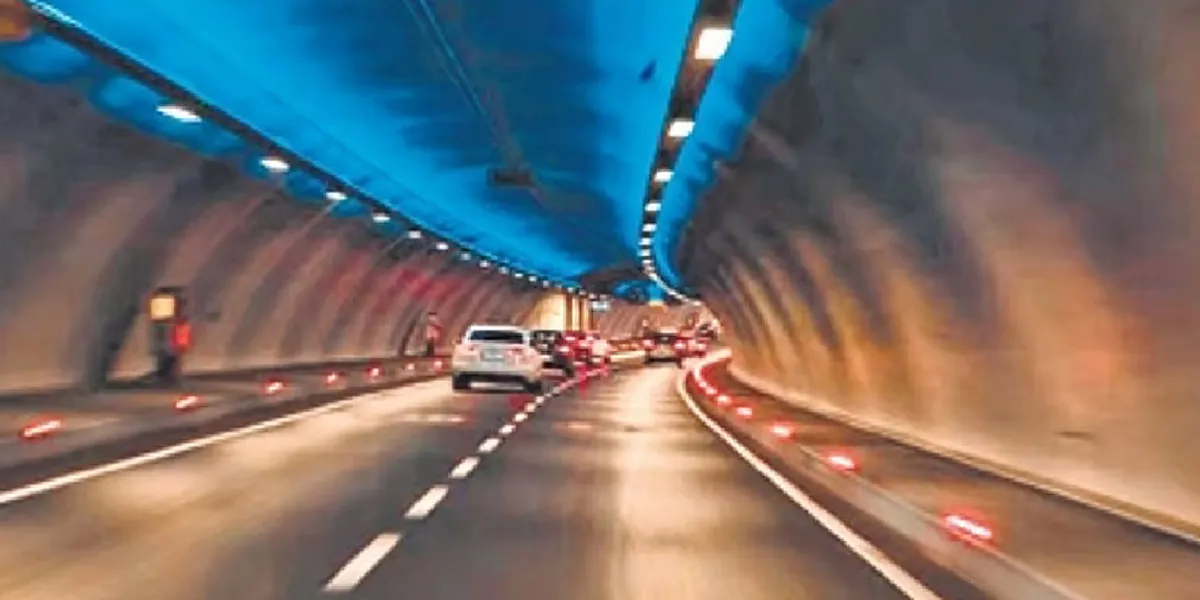
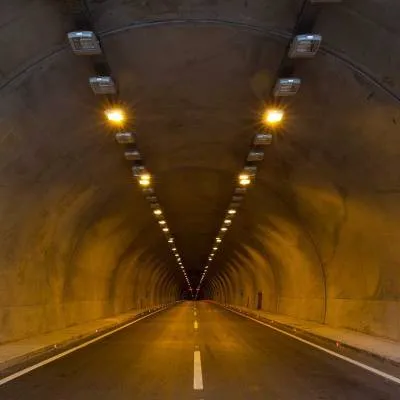
The tender involves the construction of a three-lane twin tunnel connecting Hebbal Junction and Silk Board Junction (North–South Corridor), aimed at easing Bengaluru’s chronic traffic congestion. According to GBA officials, around 10 agencies, including Tata Projects and the Adani Group, initially expressed interest.

However, the repeated extensions have raised speculation that contractors may be reluctant to participate, fearing potential legal hurdles, public opposition, or project cancellation, especially since public interest litigations (PILs) have already been filed against the plan.

When asked whether the project might meet the same fate as the abandoned Hebbal steel bridge, Deputy Chief Minister D.K. Shivakumar expressed confidence, stating, “Seeing our commitment, people are supporting us. We are confident the project will be implemented.”

The twin tunnel initiative remains one of Bengaluru’s most ambitious urban mobility projects, designed to cut travel time between the city’s north and south corridors while easing pressure on major arterial routes.

The Bengaluru Smart Infrastructure Limited (B-SMILE) has once again extended the bidding deadline for the ambitious Twin Tunnel Roads project connecting Hebbal Esteem Mall to the Central Silk Board Junction in BTM Layout, after major infrastructure players failed to show strong interest. Initially, tenders were invited on 16 July, with 3 September set as the final submission date. The project, valued at Rs 176.98 billion, is to be developed under a ‘build-operate-transfer’ (BOOT) model through a special purpose vehicle (SPV), divided into two packages. Once the bids and work order receive approval, the project is expected to commence soon thereafter. However, the Greater Bengaluru Authority (GBA)’s infrastructure arm, B-SMILE, has now extended the submission deadline three times — from 30 September to 29 October, and again to 11 November. The repeated extensions suggest waning enthusiasm from potential bidders, with some industry observers drawing parallels to the scrapped steel flyover project proposed during Siddaramaiah’s first term (2013–2018). The tender involves the construction of a three-lane twin tunnel connecting Hebbal Junction and Silk Board Junction (North–South Corridor), aimed at easing Bengaluru’s chronic traffic congestion. According to GBA officials, around 10 agencies, including Tata Projects and the Adani Group, initially expressed interest. However, the repeated extensions have raised speculation that contractors may be reluctant to participate, fearing potential legal hurdles, public opposition, or project cancellation, especially since public interest litigations (PILs) have already been filed against the plan. When asked whether the project might meet the same fate as the abandoned Hebbal steel bridge, Deputy Chief Minister D.K. Shivakumar expressed confidence, stating, “Seeing our commitment, people are supporting us. We are confident the project will be implemented.” The twin tunnel initiative remains one of Bengaluru’s most ambitious urban mobility projects, designed to cut travel time between the city’s north and south corridors while easing pressure on major arterial routes.

Related Stories

Gold Stories
Next Story
Infrastructure Energy

Asian Energy Services Q1 FY27 PAT Rises 129 Per Cent

Asian Energy Services Limited reported a 129 per cent year-on-year rise in net profit to Rs 128 million for Q1 FY27, compared with the corresponding quarter last year.Revenue increased 135 per cent year-on-year to Rs 2.71 billion, supported by continued momentum across its services business, disciplined execution and contributions from domestic and international operations. EBITDA grew 81 per cent year-on-year during the quarter.As of June 30, 2026, the company’s standalone order book stood at Rs 17.54 billion, with around 60 per cent coming from oil and gas services and 40 per cent from min..

Next Story
Infrastructure Urban

BioBTX to Build First Commercial-Scale Circular Chemicals Plant

Dutch circular chemistry technology developer BioBTX is building what it says will be the world’s first commercial-scale plant to convert mixed plastic waste into high-quality aromatic chemicals using its proprietary Integrated Catalytic Cracking Process (ICCP) technology.The facility will be built at Chemical Park Delfzijl on the northern coast of the Netherlands and is expected to create 35 jobs. Covestro, which has been a shareholder and strategic partner of BioBTX since 2024, holds a mid-single-digit million-euro investment in the company.BioBTX’s ICCP technology uses catalytic pyrolys..

Next Story
Real Estate

Awfis Q1 FY27 PAT Jumps 140% as Revenue Rises 27%

Awfis Space Solutions reported a 140 per cent year-on-year rise in consolidated profit after tax (PAT) to Rs 240 million for Q1 FY27, compared with Rs 100 million in the corresponding quarter last year.Revenue from operations increased 27 per cent to Rs 4.25 billion from Rs 3.35 billion, while EBITDA rose 28 per cent to Rs 1.62 billion. EBITDA margin improved to 38.2 per cent from 37.8 per cent. Profit before tax increased 135 per cent to Rs 240 million.The company's co-working business recorded 27 per cent year-on-year growth, supported by demand from enterprises, Global Capability Centres (G..

Advertisement

Subscribe to Our Newsletter

Get daily newsletters around different themes from Construction world.

STAY CONNECTED

Advertisement