
Dehradun Bypass Gains Momentum to Ease Traffic
ROADS & HIGHWAYS

Dehradun Bypass Gains Momentum to Ease Traffic

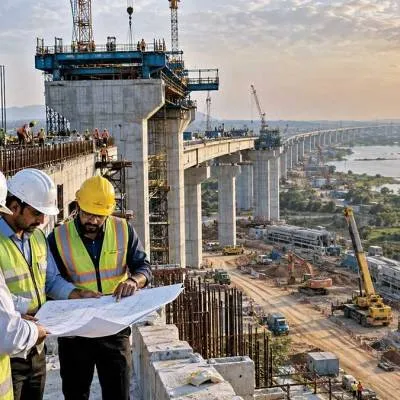
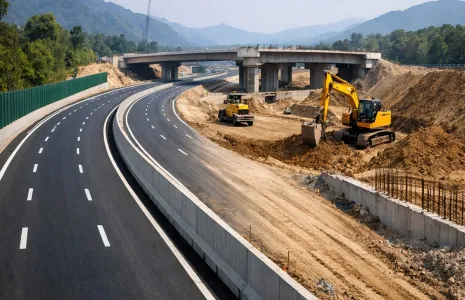
Construction of a key bypass aimed at decongesting traffic in Dehradun and improving regional connectivity is progressing steadily, with nearly 44 per cent of the work already completed, the Ministry of Road Transport and Highways said. The 12-kilometre four-lane access-controlled highway is being developed by the National Highways Authority of India (NHAI) at an estimated cost of Rs 7,160 million (Rs 7,160 mn) and is expected to be completed by April 2027. The project has been positioned as a strategic link to the Delhi-Dehradun Economic Corridor.

The Ministry said the bypass will connect Jhajhra to the corridor near the Asharori check post and link with the Paonta Saheb-Ballupur section of National Highway seven, providing an alternate south-western route to divert non-destined traffic away from Dehradun’s urban core. The design aims to reduce congestion and vehicular pollution in the city while safeguarding travel times for through traffic. Alignment choices have been made to balance efficiency and minimal urban intrusion.

Planners expect the bypass to significantly improve access to the Selaqui industrial zone, Vikasnagar and Herbertpur in Uttarakhand, as well as Paonta Sahib in Himachal Pradesh, and to strengthen connections with Haryana and Punjab via the economic corridor. Design parameters include a design speed of 100 kmph with regulated stretches at 80 kmph to minimise environmental impact, and a right of way optimised to 30 metres to reduce tree cutting and preserve forest cover.

Given that parts of the alignment pass through forest areas, the scheme incorporates several wildlife protection measures, including a 350-metre vehicular overpass and a dedicated cattle underpass to facilitate safe movement of animals. The route will include seven minor bridges, 21 box culverts and five Hume pipe culverts, together with continuous fencing and signage indicating speed limits and wildlife zones. The Ministry indicated that once operational the bypass should enhance urban mobility, improve quality of life for residents and provide better access to tourist destinations such as Mussoorie.

"Join industry leaders at RAHSTA Expo, India's premier platform for roads, highways and traffic infrastructure. Register now to explore innovations, network with experts and shape the future of mobility."

Construction of a key bypass aimed at decongesting traffic in Dehradun and improving regional connectivity is progressing steadily, with nearly 44 per cent of the work already completed, the Ministry of Road Transport and Highways said. The 12-kilometre four-lane access-controlled highway is being developed by the National Highways Authority of India (NHAI) at an estimated cost of Rs 7,160 million (Rs 7,160 mn) and is expected to be completed by April 2027. The project has been positioned as a strategic link to the Delhi-Dehradun Economic Corridor. The Ministry said the bypass will connect Jhajhra to the corridor near the Asharori check post and link with the Paonta Saheb-Ballupur section of National Highway seven, providing an alternate south-western route to divert non-destined traffic away from Dehradun’s urban core. The design aims to reduce congestion and vehicular pollution in the city while safeguarding travel times for through traffic. Alignment choices have been made to balance efficiency and minimal urban intrusion. Planners expect the bypass to significantly improve access to the Selaqui industrial zone, Vikasnagar and Herbertpur in Uttarakhand, as well as Paonta Sahib in Himachal Pradesh, and to strengthen connections with Haryana and Punjab via the economic corridor. Design parameters include a design speed of 100 kmph with regulated stretches at 80 kmph to minimise environmental impact, and a right of way optimised to 30 metres to reduce tree cutting and preserve forest cover. Given that parts of the alignment pass through forest areas, the scheme incorporates several wildlife protection measures, including a 350-metre vehicular overpass and a dedicated cattle underpass to facilitate safe movement of animals. The route will include seven minor bridges, 21 box culverts and five Hume pipe culverts, together with continuous fencing and signage indicating speed limits and wildlife zones. The Ministry indicated that once operational the bypass should enhance urban mobility, improve quality of life for residents and provide better access to tourist destinations such as Mussoorie.

Next Story
Infrastructure Urban

ABS Marine Sees CRISIL Credit Rating Upgrade

ABS Marine Services has secured an upgrade to its long term and short term credit ratings from CRISIL, reflecting improved profitability and revenue growth through long term contracts. CRISIL moved the long term rating from BBB+/Stable to A-/Stable and revised the short term rating from A2 to A2+. The action signals strengthened financial metrics and operational resilience. The company benefited from durable client relationships with firms such as ONGC and Schlumberger. The rating decision followed stronger cash flows and an enlarged bank loan facility, which increased from Rs 3,705 million (m..

Next Story
Infrastructure Transport

Project BRAHMANK Marks 16 Years Of Strategic Roads In Arunachal

Project BRAHMANK is marking 16 years of work to establish strategic road and bridge links across Arunachal Pradesh, maintaining and developing 811 kilometres of roads and nearly 86 bridges that range from small culverts to large steel and arch bridges. These transport links are described as critical for ensuring year-round movement of defence personnel, equipment and essential supplies while improving everyday travel for people in remote villages. The project balances national security requirements with regional development by focusing on reliable access in challenging terrain. Notable enginee..

Next Story
Infrastructure Transport

Longleng CSOs Give One Week Ultimatum Over Two-Lane Highway

Civil society organisations (CSOs) in Longleng district have demanded immediate restoration of the deteriorating Changtongya–Longleng two-lane road and sought a detailed status report on the stalled construction within one week. The demand followed a consultative meeting convened under the Phom Peoples' Council (PPC) to discuss welfare and development concerns. PPC president YB Angam Phom said prolonged non-maintenance had caused hardship to commuters and affected transportation, local commerce and the district's development. The meeting urged authorities to undertake immediate restoration a..

Advertisement

Subscribe to Our Newsletter

Get daily newsletters around different themes from Construction world.

STAY CONNECTED

Advertisement

Advertisement

Advertisement