+
Govt works on roads originating from Delhi to reduce travel time
ROADS & HIGHWAYS

Govt works on roads originating from Delhi to reduce travel time

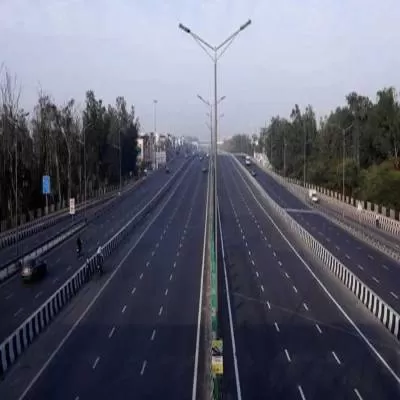
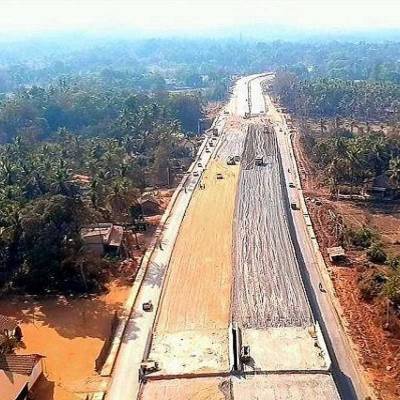
On Thursday, Nitin Gadkari, Minister of Road Transport and Highways, told the media that the government is working on new roads from Delhi-Haridwar, Delhi-Dehradun and Delhi-Chandigarh, which will lessen the travel time from the current about five hours to nearly two hours.

The minister also said that the Delhi-Katra expressway would commence in two years, which would decrease the distance from 727 km to 572 km between the two cities. Additionally, the minister said that through the new expressway, one would reach Katra from Delhi in six hours.

Gadkari will also inspect the Madhya Pradesh stretch of the under-construction 8-lane Delhi-Vadodara-Mumbai Expressway in Ratlam.

The expressway project is to be completed by November 2022 at an evaluated cost of Rs 8,437 crore.

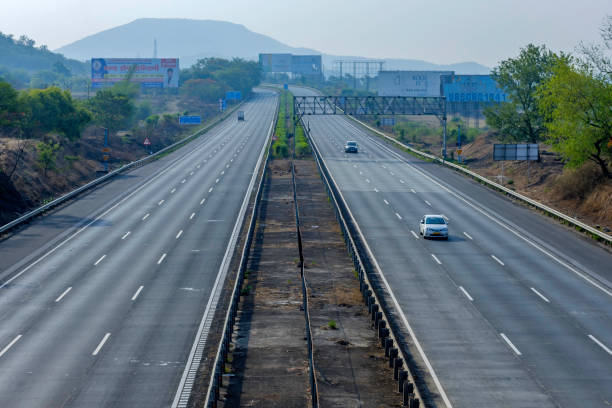
The Delhi-Mumbai expressway will pass via Ratlam (90.1 km), Jhabua (52 km) and Mandsaur (102.4 km), spanning a total distance of 245 km in Madhya Pradesh.

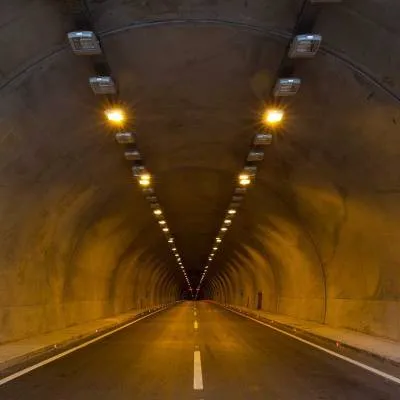
The 8-lane expressway will have 100 small and big underpasses, 511 culverts, 214 bridges, and seven toll booths in the three Madhya Pradesh districts.

The Delhi-Mumbai Expressway development was launched in 2018, and the foundation stone was laid on March 9, 2019.

Out of the 1,380 kilometres, deals for over 1,200 kilometres have already been granted.

The new expressway would likely halve the travel time between Delhi and Mumbai from approximately 24 hours to 12 hours and reduce the distance by 130 km.

According to the National Highway Authorities of India (NHAI), the expressway will produce yearly fuel savings of over 320 million litres and lessen carbon dioxide emissions by 850 million kilograms which are equal to planting 40 million trees. About 20 lakh shrubs and trees will be planted along the highway for environmental protection.

Image Source


Also read: Nitin Gadkari to survey MP stretch of Mumbai-Delhi expressway

On Thursday, Nitin Gadkari, Minister of Road Transport and Highways, told the media that the government is working on new roads from Delhi-Haridwar, Delhi-Dehradun and Delhi-Chandigarh, which will lessen the travel time from the current about five hours to nearly two hours. The minister also said that the Delhi-Katra expressway would commence in two years, which would decrease the distance from 727 km to 572 km between the two cities. Additionally, the minister said that through the new expressway, one would reach Katra from Delhi in six hours. Gadkari will also inspect the Madhya Pradesh stretch of the under-construction 8-lane Delhi-Vadodara-Mumbai Expressway in Ratlam. The expressway project is to be completed by November 2022 at an evaluated cost of Rs 8,437 crore. The Delhi-Mumbai expressway will pass via Ratlam (90.1 km), Jhabua (52 km) and Mandsaur (102.4 km), spanning a total distance of 245 km in Madhya Pradesh. The 8-lane expressway will have 100 small and big underpasses, 511 culverts, 214 bridges, and seven toll booths in the three Madhya Pradesh districts. The Delhi-Mumbai Expressway development was launched in 2018, and the foundation stone was laid on March 9, 2019. Out of the 1,380 kilometres, deals for over 1,200 kilometres have already been granted. The new expressway would likely halve the travel time between Delhi and Mumbai from approximately 24 hours to 12 hours and reduce the distance by 130 km. According to the National Highway Authorities of India (NHAI), the expressway will produce yearly fuel savings of over 320 million litres and lessen carbon dioxide emissions by 850 million kilograms which are equal to planting 40 million trees. About 20 lakh shrubs and trees will be planted along the highway for environmental protection. Image Source Also read: Nitin Gadkari to survey MP stretch of Mumbai-Delhi expressway

Related Stories

Gold Stories

Next Story
Infrastructure Urban

Infrastructure Opportunity Outlook by IMPACCT.Info

India’s infrastructure pipeline is witnessing dynamic activity across stages — from immediate bidding to future planning. IMPACCT segments these into three categories: Immediate, 3–6 Month, and Future Opportunities, enabling businesses to identify, prepare, and participate in high-value tenders and projects across sectors.To read full article Click Here ..

Next Story
Real Estate

Glass, Reframed!

Glass façades, quintessential aesthetic building envelopes globally, have been widely adopted in India as well. But when the focus is high-performance building systems that deliver energy efficiency, comfort and architectural identity, glass isn’t the only preference. Combination solutions, involving glass and some other material, improve façade outcomes. Some combinations come at comparable prices, some at a higher price. Here is a selection of performance-oriented solutions...To read the full story Click Here ..

Next Story
Infrastructure Urban

Beyond Building Faster

India’s cities are expanding at an unprecedented pace, bringing new infrastructure and development opportunities while also intensifying challenges around mobility, public spaces, liveability and supporting infrastructure. The question, therefore, is not simply whether India can build faster, but whether it can build cities that work better.At a CW webinar, Are We Designing Better Cities – or Just Building Faster?, moderator Ar. Samir Shaikh, Founding Principal, AR&UD Studio, brought together perspectives from design, development, master planning and technology...To read the full artic..

Advertisement

Subscribe to Our Newsletter

Get daily newsletters around different themes from Construction world.

STAY CONNECTED

Advertisement

SPECIAL OFFER
QR Code