India Needs Rs. 15 tn Investment for 91 GW Nuclear Capacity
ROADS & HIGHWAYS

India Needs Rs. 15 tn Investment for 91 GW Nuclear Capacity

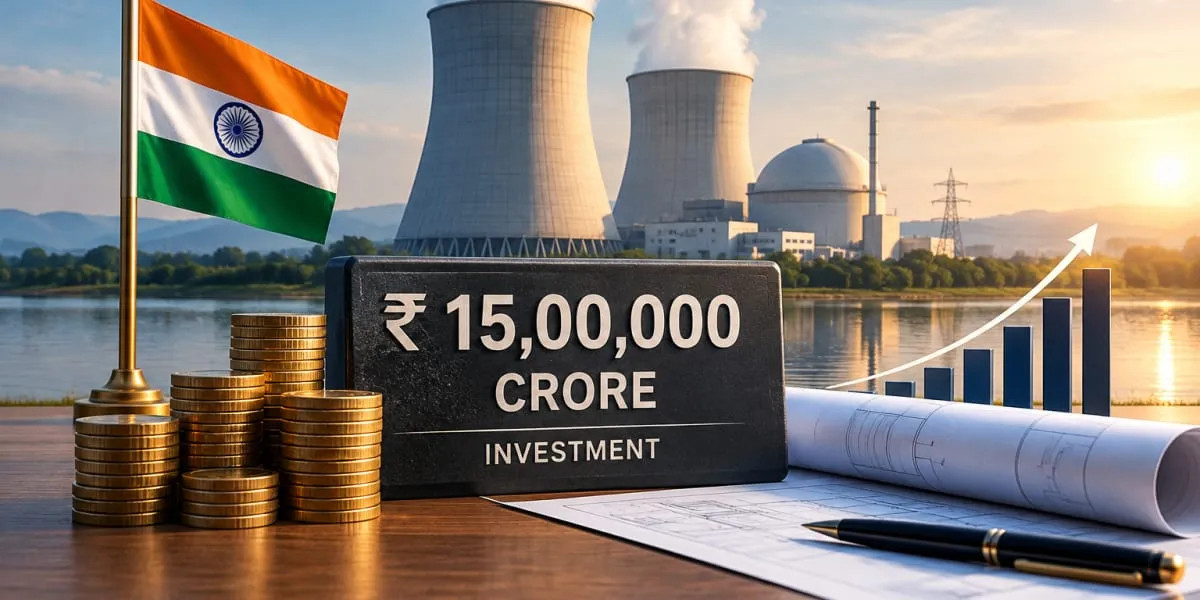
India will require an investment of Rs. 15 tn to add 91 GW of nuclear capacity by 2047 and achieve its target of 100 GW, Central Electricity Authority (CEA) Chairman Ghanshyam Prasad said on Wednesday. He also called for deep private sector participation in the expansion of the nuclear power sector.

Prasad said the country’s installed nuclear capacity currently stands at around 8.8 GW. India is expected to have 22 GW of nuclear capacity by 2030-31, as the government seeks to expand a stable source of electricity capable of providing firm, round-the-clock supply.

Of the 100 GW nuclear power target, 46 GW is expected to come through public sector undertakings, private companies and joint ventures. The CEA chairman made the remarks at an authority brainstorming event focused on using artificial intelligence in the Indian power sector.

Nuclear power is expected to play an important role in meeting India’s rising peak electricity demand. Peak demand is projected to reach 459 GW by 2035-36, compared with 250 GW in 2024-25, increasing the need for dependable generation capacity alongside renewable energy.

Prasad said India’s renewable energy capacity of 274 GW currently contributes 29.2 per cent of electricity generation. He noted that nuclear power provides firm supply, addressing an important limitation associated with variable renewable generation.

The CEA advises the Union Government on matters relating to national electricity policy and coordinates planning related to the power sector. The proposed nuclear expansion will require substantial capital mobilisation and greater participation from private players and joint ventures to meet the long-term capacity objective.

India will require an investment of Rs. 15 tn to add 91 GW of nuclear capacity by 2047 and achieve its target of 100 GW, Central Electricity Authority (CEA) Chairman Ghanshyam Prasad said on Wednesday. He also called for deep private sector participation in the expansion of the nuclear power sector. Prasad said the country’s installed nuclear capacity currently stands at around 8.8 GW. India is expected to have 22 GW of nuclear capacity by 2030-31, as the government seeks to expand a stable source of electricity capable of providing firm, round-the-clock supply. Of the 100 GW nuclear power target, 46 GW is expected to come through public sector undertakings, private companies and joint ventures. The CEA chairman made the remarks at an authority brainstorming event focused on using artificial intelligence in the Indian power sector. Nuclear power is expected to play an important role in meeting India’s rising peak electricity demand. Peak demand is projected to reach 459 GW by 2035-36, compared with 250 GW in 2024-25, increasing the need for dependable generation capacity alongside renewable energy. Prasad said India’s renewable energy capacity of 274 GW currently contributes 29.2 per cent of electricity generation. He noted that nuclear power provides firm supply, addressing an important limitation associated with variable renewable generation. The CEA advises the Union Government on matters relating to national electricity policy and coordinates planning related to the power sector. The proposed nuclear expansion will require substantial capital mobilisation and greater participation from private players and joint ventures to meet the long-term capacity objective.

Related Stories

Gold Stories

Next Story
Infrastructure Energy

GEON Commissions 10 MW/20 MWh BESS in Jaisalmer

GEON, the future technologies division of Kabra Extrusiontechnik, has commissioned a 10 MW/20 MWh battery energy storage system (BESS) in Jaisalmer, Rajasthan, on an engineering, procurement and construction (EPC) basis.Executed in accordance with the Rajasthan Integrated Clean Energy Policy, 2024, the project covered detailed engineering and design, equipment procurement and supply, installation, testing and commissioning.The system has a power capacity of 10 MW and an energy storage capacity of 20 MWh. It is designed to improve energy management, support grid stability and facilitate the int..
Next Story
Infrastructure Urban

Tembo Lists on BSE, Expands Defence Manufacturing Plans

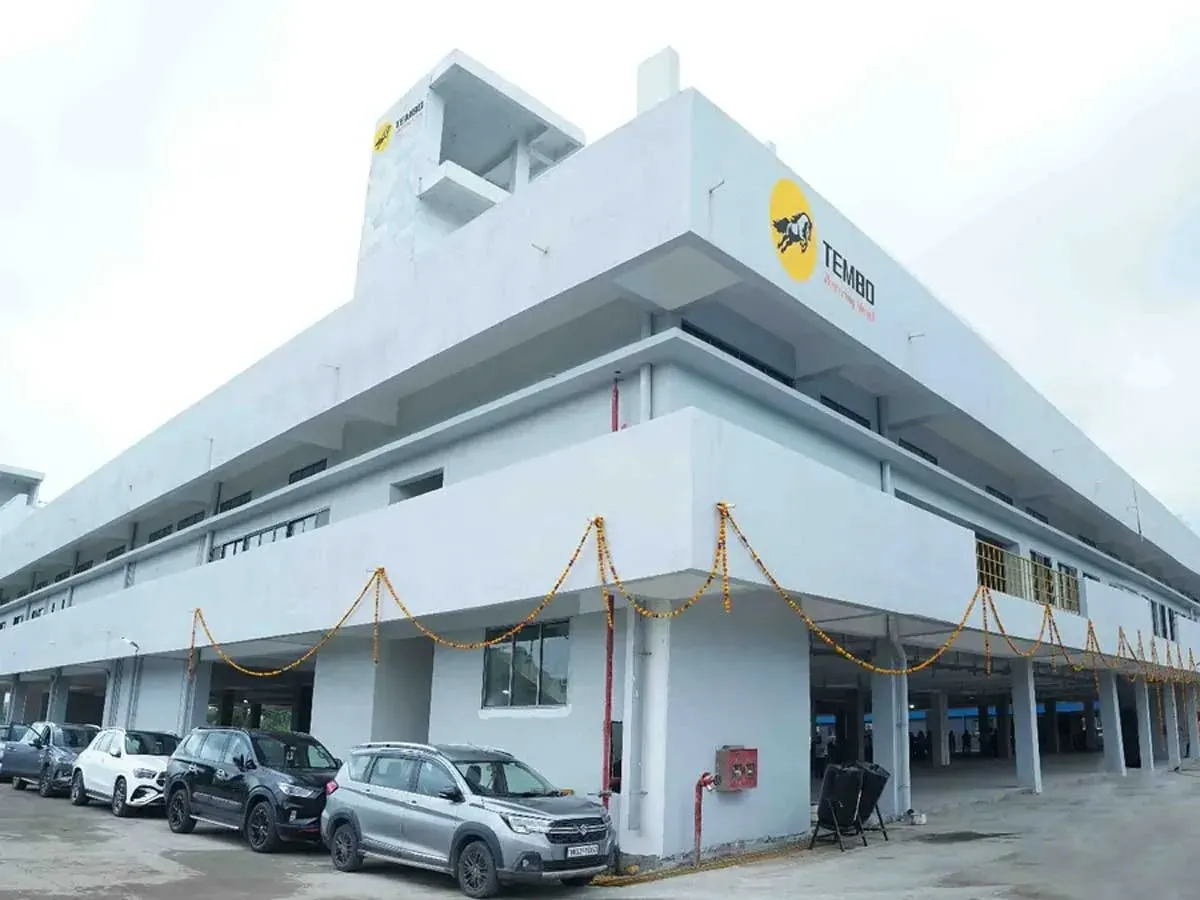
Tembo Global Industries has listed its equity shares on the Main Board of BSE while expanding its focus on defence manufacturing and unmanned aerial vehicle (UAV) technologies alongside its existing engineering and industrial businesses.Through its subsidiary, Tembo Classic Engineering, the company is developing manufacturing capabilities in small arms and ammunition. Its defence facility in Amravati, Maharashtra, is under development, with commercial production targeted for Q1 FY2028. The subsidiary has obtained government licences for ammunition and small-arms manufacturing.The company is co..

Next Story
Infrastructure Urban

Bondada Gets NSE In-Principle Nod for Main Board Migration

Bondada Engineering has received in-principle approval from the National Stock Exchange of India (NSE) to migrate its equity shares from the BSE SME Platform to NSE’s Capital Market Segment, or Main Board.The approval, conveyed through a letter dated 14 October 2026, follows BSE’s in-principle approval on 9 September 2026 for migration to its Main Board. The company now holds preliminary approvals to establish a presence on the Main Boards of both exchanges.Bondada Engineering will complete the subsequent formalities required under applicable regulatory and stock exchange requirements. The..

Advertisement

Subscribe to Our Newsletter

Get daily newsletters around different themes from Construction world.

STAY CONNECTED

Advertisement

SPECIAL OFFER
QR Code