

Pune Nagar Road Traffic Crisis Exposes Project Gaps
ROADS & HIGHWAYS

Pune Nagar Road Traffic Crisis Exposes Project Gaps

Pune’s Nagar Road corridor is facing severe congestion as construction of the Shastrinagar grade separator and flyover has reduced usable road space and diverted vehicles through internal roads. The corridor carries more than 200,000 vehicles a day, leaving limited capacity for local traffic, public transport and through commuters.

The project is intended to improve movement between the Aga Khan Palace area, Gunjan Chowk and Golf Chowk. However, diversions have transferred pressure to roads around Yerawada, Kalyaninagar, Vimannagar, Wadgaonsheri and the Kharadi approach. Residents and commuters have reported longer and less predictable journeys affecting schools, office buses, airport trips, hospitals and eastern Pune’s employment areas.

Traffic interventions introduced in recent years have added to the disruption. These include a signal-free system between Gunjan Chowk and Kharadi, multiple U-turns, median closures, the removal of unused Bus Rapid Transit System infrastructure and utility work. While some measures were intended to improve corridor speeds, they have also made access to neighbourhoods more difficult and concentrated traffic at fewer points.

The current project includes an approximately 750-metre, six-lane grade separator between the Aga Khan Palace side and Gunjan Chowk, along with an approximately 700-metre, four-lane flyover between Aga Khan Palace and Golf Chowk. The project cost is Rs. 819 mn, and the completion deadline is March 2027. Police officials have warned that difficult traffic conditions could continue for two to three months during ongoing work.

Several alternative links have been proposed, including roads connecting Kalyaninagar with Gunjan Chowk and Wadgaonsheri, a route beneath the Metro line and an underpass linking Gunjan Chowk with Airport Road. A longer-term road-cum-Metro extension from Ramwadi towards Kharadi and Wagholi is also under consideration. Until these links become usable, authorities will need to coordinate construction, diversions and public transport measures to keep the existing network functioning.

Pune’s Nagar Road corridor is facing severe congestion as construction of the Shastrinagar grade separator and flyover has reduced usable road space and diverted vehicles through internal roads. The corridor carries more than 200,000 vehicles a day, leaving limited capacity for local traffic, public transport and through commuters. The project is intended to improve movement between the Aga Khan Palace area, Gunjan Chowk and Golf Chowk. However, diversions have transferred pressure to roads around Yerawada, Kalyaninagar, Vimannagar, Wadgaonsheri and the Kharadi approach. Residents and commuters have reported longer and less predictable journeys affecting schools, office buses, airport trips, hospitals and eastern Pune’s employment areas. Traffic interventions introduced in recent years have added to the disruption. These include a signal-free system between Gunjan Chowk and Kharadi, multiple U-turns, median closures, the removal of unused Bus Rapid Transit System infrastructure and utility work. While some measures were intended to improve corridor speeds, they have also made access to neighbourhoods more difficult and concentrated traffic at fewer points. The current project includes an approximately 750-metre, six-lane grade separator between the Aga Khan Palace side and Gunjan Chowk, along with an approximately 700-metre, four-lane flyover between Aga Khan Palace and Golf Chowk. The project cost is Rs. 819 mn, and the completion deadline is March 2027. Police officials have warned that difficult traffic conditions could continue for two to three months during ongoing work. Several alternative links have been proposed, including roads connecting Kalyaninagar with Gunjan Chowk and Wadgaonsheri, a route beneath the Metro line and an underpass linking Gunjan Chowk with Airport Road. A longer-term road-cum-Metro extension from Ramwadi towards Kharadi and Wagholi is also under consideration. Until these links become usable, authorities will need to coordinate construction, diversions and public transport measures to keep the existing network functioning.

Related Stories

Gold Stories

Next Story
Infrastructure Transport

Alstom Automates Bengaluru Metro's 7.5 km Pink Line Section

Alstom has announced the commencement of passenger services on the 7.5 km elevated priority section of Bengaluru Metro's Pink Line Reach 6, equipped with its communications-based train control (CBTC) signalling technology. The section connects key residential, educational and healthcare hubs across South Bengaluru, strengthening the city's urban transport network.The priority section operates under Grade of Automation 2 (GoA2), enabling automatic train operation (ATO) from the first day of revenue service, a first for an Indian metro project. Under this system, train acceleration and braking a..
Next Story
Infrastructure Transport

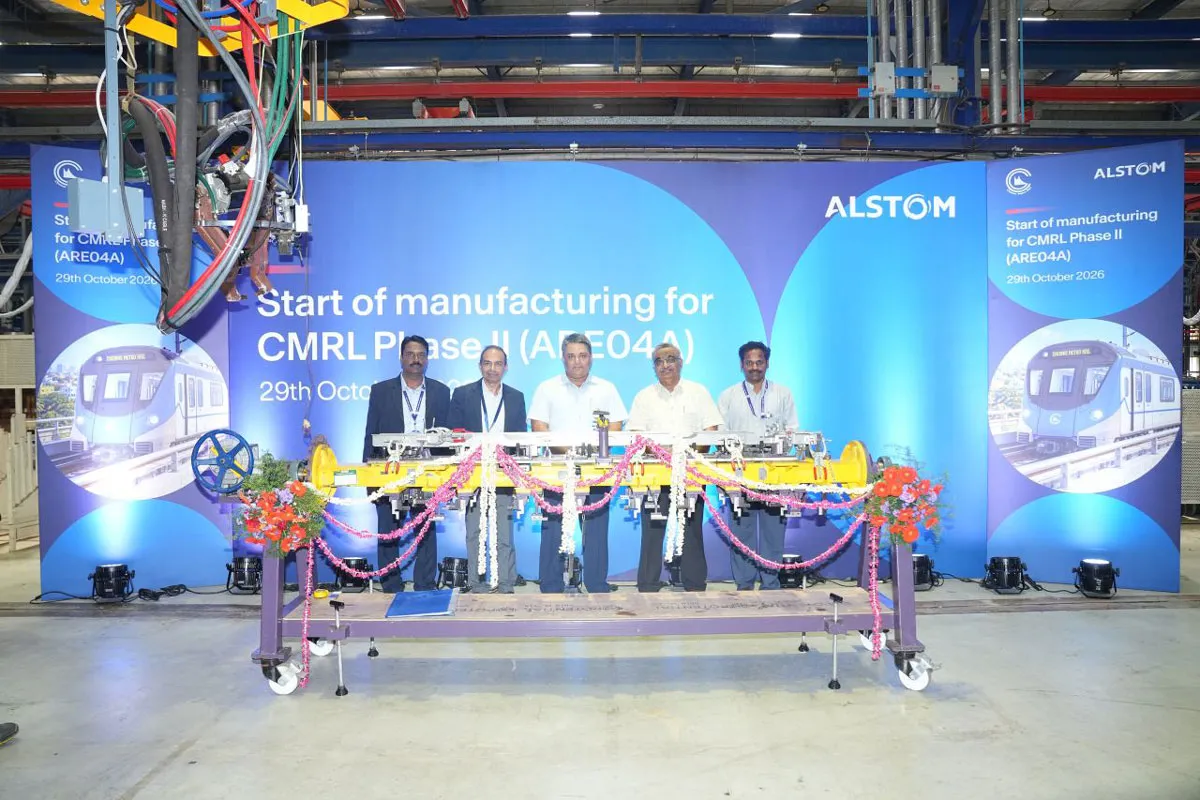
Alstom Begins Production of 96 Driverless Chennai Metro Cars

Alstom has commenced manufacturing 96 Metropolis driverless metro cars for Chennai Metro Phase II at its Sri City facility in Andhra Pradesh. The production forms part of a €135 million contract awarded by Chennai Metro Rail Limited (CMRL) in 2025, covering the design and manufacture of 32 three-car trainsets and 15 years of comprehensive maintenance following the warranty period.Chennai Metro Phase II spans approximately 119 km across three corridors and associated inter-corridor sections, comprising more than 76 km of elevated tracks and 43 km of underground routes.Under the Make in India ..
Next Story
Products

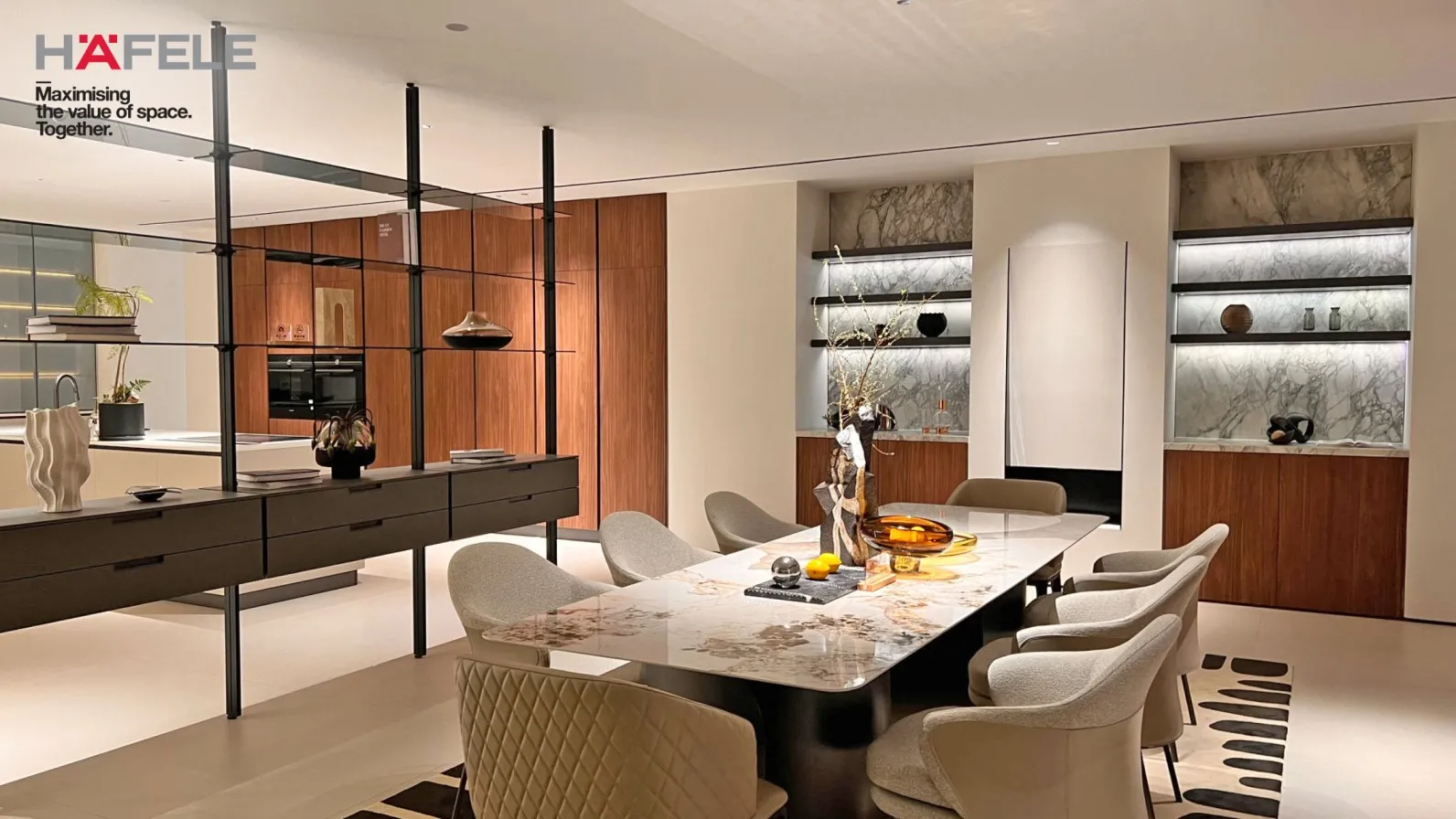
Hafele launches Alustro flexible shelving system

Häfele India has introduced the Alustro Flexible Shelving System, a modular storage solution designed to maximise space and offer flexibility in residential interiors. The system can be configured for applications such as room dividers, walk-in wardrobes, kitchen units, wall-mounted shelves and vanity mirrors.Alustro allows users to combine aluminium, wooden and glass shelves within a single structure. It supports shelf heights of up to 3,000 mm and section widths of up to 1,164 mm. Additional options include coat stand profiles with protective gaskets for wardrobes and front- or rear-facing ..

Advertisement

Subscribe to Our Newsletter

Get daily newsletters around different themes from Construction world.

STAY CONNECTED

Advertisement

SPECIAL OFFER
QR Code