Delay in Yellow Line launch as metro coaches from China face setbacks
RAILWAYS & METRO RAIL

Delay in Yellow Line launch as metro coaches from China face setbacks

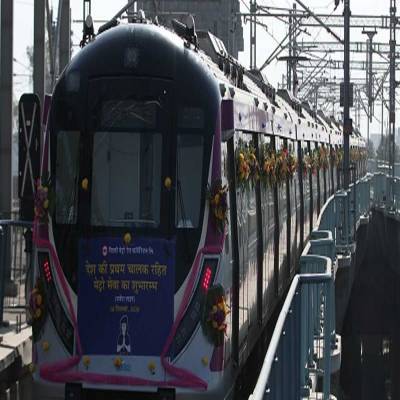
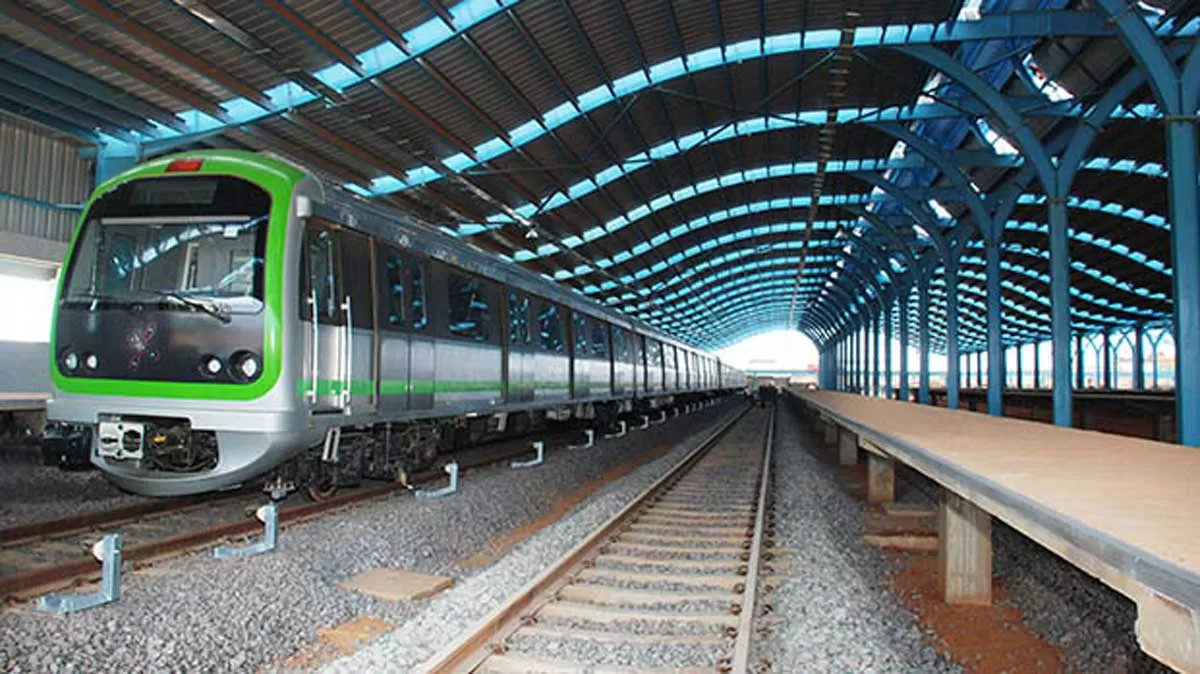
The completion of the Yellow Line construction for Namma Metro is imminent; however, commuters will face a significant delay in the launch of the service, anticipated to be extended by six months.

The Bangalore Metro Rail Corporation (BMRCL) attributes the delay to the late arrival of metro coaches from China. The root cause is the requirement for engineers from the coach supply company to accompany two prototype trains, a process hindered until their recent receipt of Indian visas.

In 2019, the China Railway Rolling Stock Corporation (CRRC) secured a Rs 15.78 billion contract to deliver 216 metro coaches to BMRCL. Their failure to establish a manufacturing plant in India, as stipulated, led to an unfulfilled contract.

A senior BMRCL official explained, "Upon receiving the prototype train, a minimum of three months will be needed for BMRCL to conduct trial runs and obtain approvals for commercial operations. The prototype coaches have been dispatched from China, and engineers are scheduled to arrive in Bengaluru for testing by the end of this month."

The launch of Yellow Line operations is further hindered by the anticipated enforcement of the model code of conduct for general elections in April?May. Operations may commence in July after testing the coaches, ensuring a seamless interface between the trainset and signaling systems, and conducting oscillation trials through the Research Designs and Standards Organisation (RDSO).

Previously, BMRCL had considered encashing the Rs 3.72 billion bank guarantee from CRRC and has now engaged Kolkata-based Titagarh Wagons to supply the remaining coaches.

The 19-km elevated Yellow Line, connecting R.V. Road to Bommasandra, will alleviate traffic congestion and benefit commuters in Electronics City, the Bommasandra industrial area, HSR Layout, and Beratena Agrahara (Hosa Road).

The completion of the Yellow Line construction for Namma Metro is imminent; however, commuters will face a significant delay in the launch of the service, anticipated to be extended by six months. The Bangalore Metro Rail Corporation (BMRCL) attributes the delay to the late arrival of metro coaches from China. The root cause is the requirement for engineers from the coach supply company to accompany two prototype trains, a process hindered until their recent receipt of Indian visas. In 2019, the China Railway Rolling Stock Corporation (CRRC) secured a Rs 15.78 billion contract to deliver 216 metro coaches to BMRCL. Their failure to establish a manufacturing plant in India, as stipulated, led to an unfulfilled contract. A senior BMRCL official explained, Upon receiving the prototype train, a minimum of three months will be needed for BMRCL to conduct trial runs and obtain approvals for commercial operations. The prototype coaches have been dispatched from China, and engineers are scheduled to arrive in Bengaluru for testing by the end of this month. The launch of Yellow Line operations is further hindered by the anticipated enforcement of the model code of conduct for general elections in April?May. Operations may commence in July after testing the coaches, ensuring a seamless interface between the trainset and signaling systems, and conducting oscillation trials through the Research Designs and Standards Organisation (RDSO). Previously, BMRCL had considered encashing the Rs 3.72 billion bank guarantee from CRRC and has now engaged Kolkata-based Titagarh Wagons to supply the remaining coaches. The 19-km elevated Yellow Line, connecting R.V. Road to Bommasandra, will alleviate traffic congestion and benefit commuters in Electronics City, the Bommasandra industrial area, HSR Layout, and Beratena Agrahara (Hosa Road).

Next Story
Equipment

Schwing Stetter India Unveils New Innovations at Excon 2025

Schwing Stetter India unveiled more than 20 new machines at Excon 2025, marking one of its most significant showcases and introducing several India-first technologies to the construction equipment sector. The company launched the country’s first 56-metre boom pump designed and manufactured in India, the first fully electric truck mixer, the first CNG mixer variant and the first hybrid boom pump. Executives said the launch portfolio was engineered to support India’s move toward faster, greener and more vertically oriented infrastructure through advanced engineering, clean-energy solutions a..

Next Story
Infrastructure Energy

SEPC Resolves Hindustan Copper Dispute, Wins Rs 725 Mn Order

Engineering, procurement and construction firm SEPC Ltd has recently settled a dispute with Hindustan Copper Ltd (HCL) and secured a mining infrastructure order valued at Rs 725 million from the state-owned company. SEPC informed the stock exchanges that it has executed a settlement deed with HCL, bringing closure to all inter-se claims and counterclaims arising from arbitration proceedings. As part of the settlement, SEPC will receive Rs 304.5 million as full and final payment, marking the resolution of all pending disputes between the two entities. The company also stated that Hindustan Co..

Next Story
Infrastructure Energy

20% Ethanol Blending Cuts India’s CO2 Emissions by 73.6 Mn Tonnes

Union Road Transport and Highways Minister Nitin Gadkari recently said that India has reduced carbon dioxide emissions by 73.6 million metric tonnes due to the adoption of 20 per cent ethanol blending in petrol. He made the statement while replying to supplementary questions during the Question Hour in the Lok Sabha. Describing ethanol as a green fuel, the minister said it plays a key role in reducing pollution while also supporting higher incomes for farmers. He underlined that ethanol blending contributes both to environmental sustainability and rural economic growth. Nitin Gadkari also po..

Advertisement

Subscribe to Our Newsletter

Get daily newsletters around different themes from Construction world.

STAY CONNECTED

Advertisement

Advertisement

Advertisement

Advertisement

Open In App