Delhi Airport to Get Rs. 35 bn Transit System by 2030
RAILWAYS & METRO RAIL

Delhi Airport to Get Rs. 35 bn Transit System by 2030

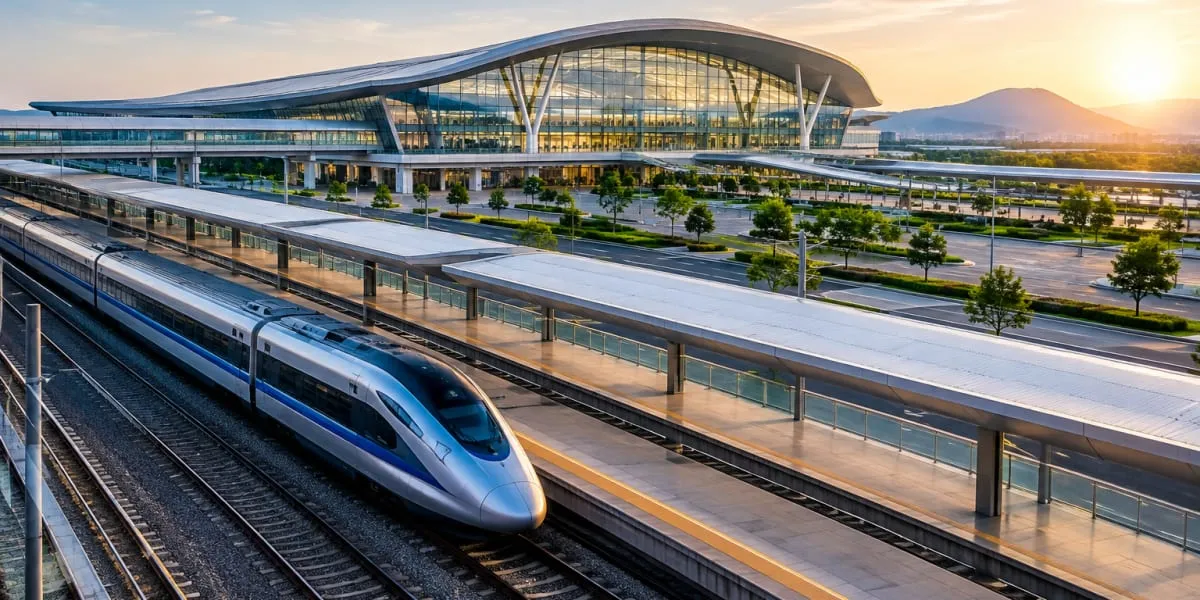
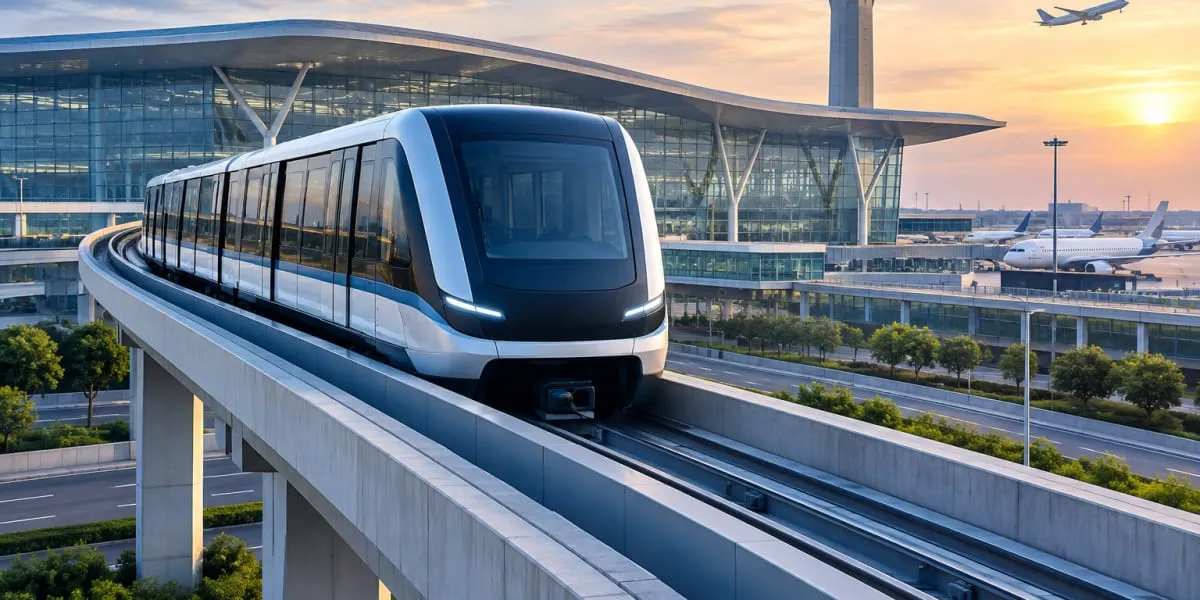
Delhi’s Indira Gandhi International Airport plans to commission an Automated People Mover (APM) by 2030, with an estimated investment of Rs. 35 bn. The project is part of the airport’s 10-year master plan to improve connectivity and expand passenger-handling capacity. Officials outlined the plans during a briefing in New Delhi on Tuesday.

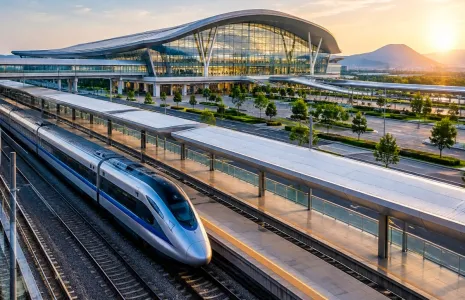
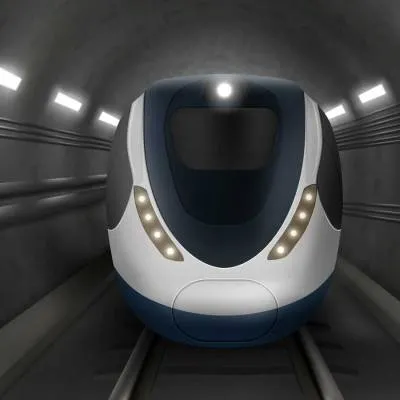
Operated by Delhi International Airport (DIAL), the airport’s proposed APM will connect T1, T2 and T3, as well as the cargo terminal, Aerocity and Delhi Metro through six stations. The driverless transit system will cover 7.3 km, with travel between T1 and T3 expected to take about 13 minutes. It is projected to handle 55,000 passengers a day during its opening year.

T1 is several kilometres from T2 and T3, meaning passengers transferring between the terminals currently have to travel by road. The APM is intended to reduce congestion around the airport and shorten transfer times. DIAL is also awaiting regulatory approval to transfer passengers airside between T3 and T1 by bus.

The project forms part of a master plan running until 2036, under which the airport’s annual passenger-handling capacity is expected to increase from 106 mn to 125 mn, with the potential to reach 129 mn. The planned capacity includes 86 mn domestic passengers and 39 mn international passengers. Current capacity is 42 mn at T1, 14 mn at T2 and 50 mn at T3.

T3 currently has capacity for 19 mn domestic and 31 mn international passengers. Its international operations use Piers A and B, while domestic operations are handled through Pier D and other designated facilities; Pier C has been converted for international use. A new Pier E is scheduled for completion by April 2030. Design work and other preparations for the APM are in progress, while a decision on whether non-flyers will be charged to use the system is pending.

Delhi’s Indira Gandhi International Airport plans to commission an Automated People Mover (APM) by 2030, with an estimated investment of Rs. 35 bn. The project is part of the airport’s 10-year master plan to improve connectivity and expand passenger-handling capacity. Officials outlined the plans during a briefing in New Delhi on Tuesday. Operated by Delhi International Airport (DIAL), the airport’s proposed APM will connect T1, T2 and T3, as well as the cargo terminal, Aerocity and Delhi Metro through six stations. The driverless transit system will cover 7.3 km, with travel between T1 and T3 expected to take about 13 minutes. It is projected to handle 55,000 passengers a day during its opening year. T1 is several kilometres from T2 and T3, meaning passengers transferring between the terminals currently have to travel by road. The APM is intended to reduce congestion around the airport and shorten transfer times. DIAL is also awaiting regulatory approval to transfer passengers airside between T3 and T1 by bus. The project forms part of a master plan running until 2036, under which the airport’s annual passenger-handling capacity is expected to increase from 106 mn to 125 mn, with the potential to reach 129 mn. The planned capacity includes 86 mn domestic passengers and 39 mn international passengers. Current capacity is 42 mn at T1, 14 mn at T2 and 50 mn at T3. T3 currently has capacity for 19 mn domestic and 31 mn international passengers. Its international operations use Piers A and B, while domestic operations are handled through Pier D and other designated facilities; Pier C has been converted for international use. A new Pier E is scheduled for completion by April 2030. Design work and other preparations for the APM are in progress, while a decision on whether non-flyers will be charged to use the system is pending.

Related Stories

Gold Stories

Next Story
Infrastructure Transport

Amaravati to Get Rs. 22.45 bn Airport-Style Railway Station

Amaravati railway station in Andhra Pradesh is planned as one of India’s largest and most modern rail hubs, with facilities modelled on an airport. The Indian Railways project will include dedicated waiting lounges, digital ticketing systems and automated entry gates, and is designed to meet projected demand over the next 40 to 50 years. The station will cover 1,500 acres and have 24 high-tech platforms and four terminals. It is expected to handle about 300,000 passengers a day. The Hyderabad-Chennai and Hyderabad-Bengaluru bullet train routes are planned to pass through the station, while d..

Next Story
Infrastructure Urban

JSW Motors to Go Solo on Dealerships

JSW Motors is establishing an independent dealership network for its entry into India’s passenger vehicle market, choosing not to use the existing retail infrastructure of JSW MG Motor India. The move is part of the company’s plan to create a separate automobile brand identity and support the launch of new sport utility vehicles with hybrid and electric powertrains. The company has finalised several dealer partnerships across Tier-I and Tier-II cities. It plans to have around 50 outlets operational by the end of 2026 or early 2027, with the network eventually expanding to at least 100 touc..
Next Story
Infrastructure Urban

Michelin India Opens New Tyres and Services Store in Chhatrapati Sambhajinagar

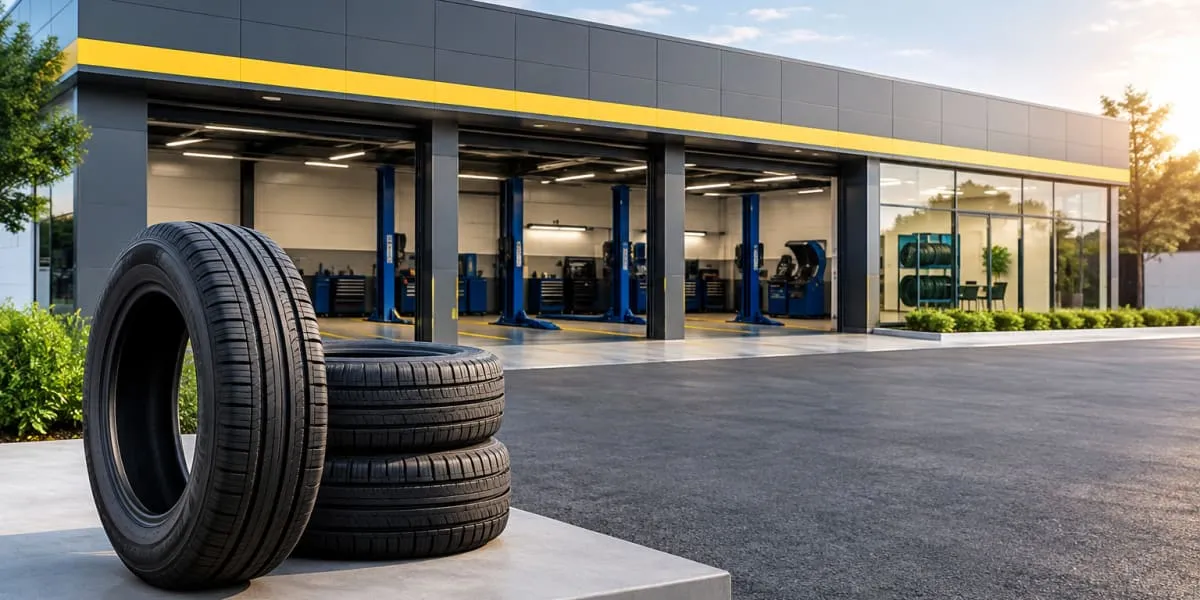
Michelin India has opened a new Michelin Tyres and Services (MTS) store on Jalna Road in Chhatrapati Sambhajinagar, Maharashtra. The outlet, established in partnership with Chouhan Tyres, expands the company’s presence in the city and takes its nationwide retail network beyond 800 points of sale. The 11,000 sq ft facility offers Michelin’s passenger vehicle tyre portfolio, including the Made-in-India Primacy 5. It also provides tyre fitment, maintenance and care services, allowing customers to access sales and aftercare support at the same location. Services available at the outlet include..

Advertisement

Subscribe to Our Newsletter

Get daily newsletters around different themes from Construction world.

STAY CONNECTED

Advertisement

SPECIAL OFFER
QR Code