+
Govt wraps up 281 central infra projects in FY24: MoSPI Stats
RAILWAYS & METRO RAIL

Govt wraps up 281 central infra projects in FY24: MoSPI Stats

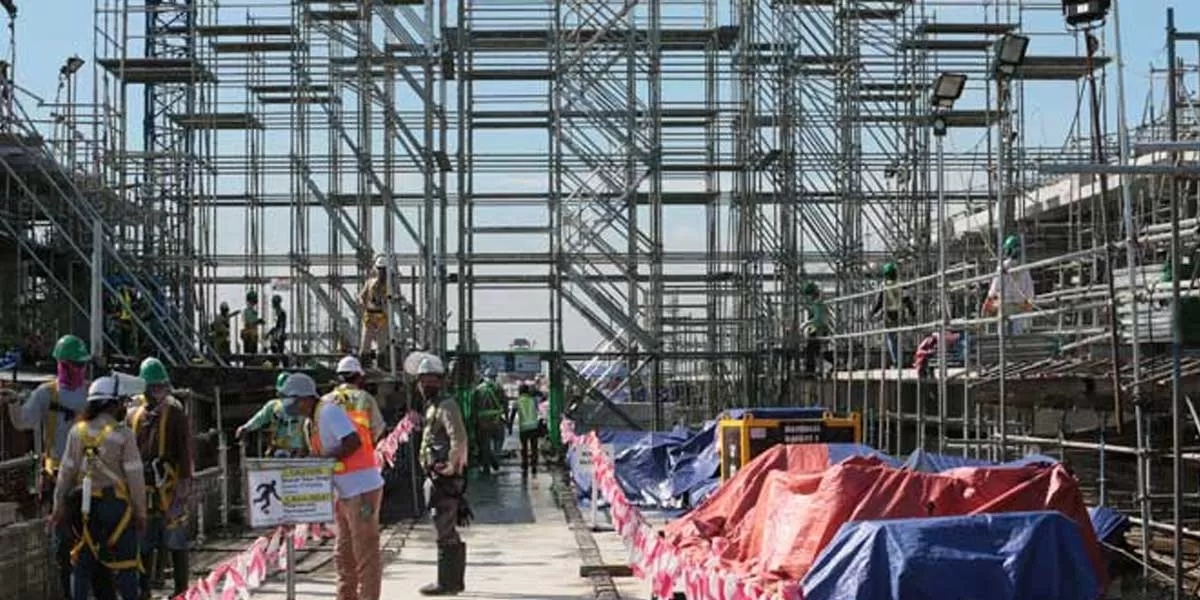
According to government data released, in FY24, work on 281 central government projects costing over Rs 1.50 billion was completed, compared to 329 projects completed in the previous year. It was noted that this completion rate was the second-highest in nearly a decade.

The data also revealed that the proportion of delayed projects increased to 41.6% in March from 41.2% in the previous month. Similarly, the ratio of cost overruns rose to 18.65% compared to 18.19% in the previous month. This increase was attributed to the anticipated cost of 1,873 projects amounting to Rs 31.9 trillion, which was Rs 5 trillion higher than the original cost.

By the end of March, 779 projects were delayed, with 51% of them being delayed for over two years, averaging 36.04 months or nearly three years.

The government release indicated that three projects (two road projects and one telecom project) were added, while 32 projects (seven roads, 23 in petroleum, and two in the power sector) were completed in March.

The release also pointed out a concerning observation that many project agencies were not reporting revised cost estimates and commissioning schedules for numerous projects, hinting that time/cost overrun figures might be underreported.

A sectoral analysis revealed that Railways and water resources had the highest cost overruns, with the anticipated costs of all projects monitored by the ministry exceeding the original cost by 54% and 197%, respectively.

Of the 249 projects monitored under Railways, 149 were facing cost overruns, while the ratio was 9 out of 41 for water resources. Additionally, nearly a fifth of road projects, which constituted the highest number of ongoing projects, were experiencing cost overruns.

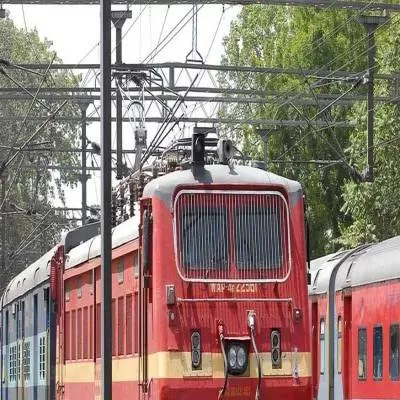
Concerning time overruns, 109 out of 249 railway projects and nearly 40% of road projects were delayed.

According to government data released, in FY24, work on 281 central government projects costing over Rs 1.50 billion was completed, compared to 329 projects completed in the previous year. It was noted that this completion rate was the second-highest in nearly a decade. The data also revealed that the proportion of delayed projects increased to 41.6% in March from 41.2% in the previous month. Similarly, the ratio of cost overruns rose to 18.65% compared to 18.19% in the previous month. This increase was attributed to the anticipated cost of 1,873 projects amounting to Rs 31.9 trillion, which was Rs 5 trillion higher than the original cost. By the end of March, 779 projects were delayed, with 51% of them being delayed for over two years, averaging 36.04 months or nearly three years. The government release indicated that three projects (two road projects and one telecom project) were added, while 32 projects (seven roads, 23 in petroleum, and two in the power sector) were completed in March. The release also pointed out a concerning observation that many project agencies were not reporting revised cost estimates and commissioning schedules for numerous projects, hinting that time/cost overrun figures might be underreported. A sectoral analysis revealed that Railways and water resources had the highest cost overruns, with the anticipated costs of all projects monitored by the ministry exceeding the original cost by 54% and 197%, respectively. Of the 249 projects monitored under Railways, 149 were facing cost overruns, while the ratio was 9 out of 41 for water resources. Additionally, nearly a fifth of road projects, which constituted the highest number of ongoing projects, were experiencing cost overruns. Concerning time overruns, 109 out of 249 railway projects and nearly 40% of road projects were delayed.

Next Story
Infrastructure Urban

Implementation Status of Jal Jeevan Mission

Since August 2019 the Government has implemented Jal Jeevan Mission to provide assured potable water through household tap connections in rural India. At the start of the mission only 32.3 million (mn) rural households, representing 16.7 per cent, were reported to have tap water connections. States and union territories have reported that 125.8 mn additional rural households have since been provided with tap connections. As a result, of about 193.6 mn rural households roughly 158.2 mn, or 81.71 per cent, are reported to have tap water supply at home.\n\nThe State, district and village level st..

Next Story
Infrastructure Urban

Jal Jeevan Mission Reaches Eighty One Per Cent Rural Coverage

The Government reported substantial progress under the Jal Jeevan Mission, launched in August 2019 to provide tap water to every rural household. At launch only 32.3 million (mn) rural households had tap connections and states and Union territories reported provision of 125.8 mn additional households by March 2026. Consequently, out of about 193.6 mn rural households around 158.2 mn, or 81.71 per cent, are reported to have tap water at home. The Finance Minister announced extension of the mission until 2028 in the 2025-26 budget speech. The Swachh Bharat Mission Grameen, launched in October 20..

Next Story
Infrastructure Urban

Empowering Local Governance for Sustainable Rural Water Supply

The Ministry of Jal Shakti has aligned the Jal Jeevan Mission (JJM) with the 73rd Amendment to strengthen village level planning and community ownership of water supply. Gram Panchayats, village water and sanitation committees and Pani Samitis are to plan, implement, manage and maintain piped water systems, with gram sabha processes formalising handover and oversight. Implementation support agencies including non government organisations, community based organisations and self help groups have been empanelled to train local committees and promote women participation. Under JJM, the department ..

Advertisement

Subscribe to Our Newsletter

Get daily newsletters around different themes from Construction world.

STAY CONNECTED

Advertisement

Advertisement

Advertisement