+
Imphal fourth NE state to be on railway map within 27 months
RAILWAYS & METRO RAIL

Imphal fourth NE state to be on railway map within 27 months

Despite Covid-19 related restrictions and significant topographical challenges, Manipur's Imphal is expected to become the fourth capital city in the mountainous northeastern region within the next 27 months.

The Northeast Frontier Railways (NFR), which has already connected Assam's capital Guwahati adjacent to capital Dispur, Tripura's capital Agartala, and Arunachal Pradesh's Naharlagun adjacent to capital Itanagar, is now laying tracks to connect the capital cities of two more northeastern states: Mizoram and Nagaland.

Railway construction in the two northeastern states has not even begun, the NFR has no specific plans for when the capitals of Meghalaya and Sikkim, Shillong and Gangtok, will be connected to the railway network.

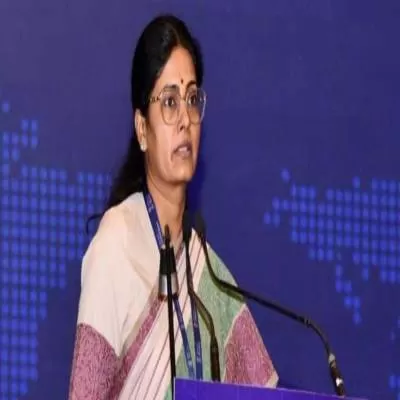
NFR Chief Public Relations Officer Guneet Kaur told the media that the NFR organisation is working on the Jiribam-Imphal new broad gauge railway line project, which is expected to be completed in December 2023 for Rs 12,264.15 crore.

According to a senior engineer with the NFR , a safety tunnel has been built at tunnel number 12 on the Tupul-Jiribam-Imphal railway line for the safe evacuation of people during any emergency, which is significant because the section will have the world's tallest bridge and India's longest railway tunnel.

The project's completion will allow the world to learn about Manipur's rich culture.

On the Tupul-Jiribam-Imphal railway line, tunnel number 12 is the longest railway tunnel in India, measuring 11.55 km. It's longer than Jammu and Kashmir's famous Pir Panjal tunnel, which runs between Banihal and Qazigund.

This tunnel will cost Rs 930 crore to build and will run through two Manipur districts, Senapati and Imphal West, in the western part of the Imphal Valley.

Because of its significance, the 111 km Jiribam to Tupul to Imphal new broad gauge railway project was designated a National Project in 2008.

Around 140 years ago, the first train in the northeast region left Dibrugarh, an industrial city in eastern Assam. The NFR, one of India's 17 railway zones, serves six of India's eight northeastern states, excluding Meghalaya and Sikkim, as well as seven West Bengal districts and five districts in north Bihar.

According to NFR engineers, the landscape, soil conditions, and other natural challenges in the northeastern region have forced the railways to invest more money and face a variety of challenges.

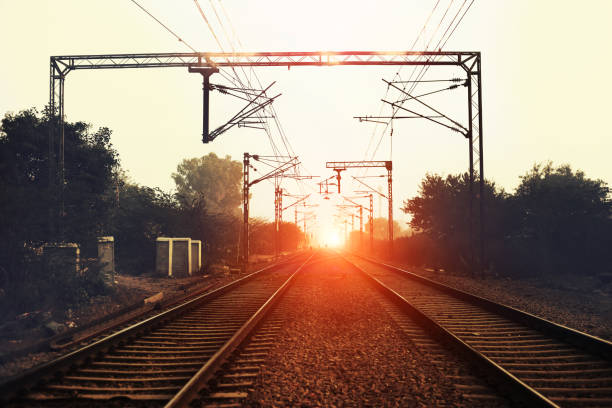
Image Source

Despite Covid-19 related restrictions and significant topographical challenges, Manipur's Imphal is expected to become the fourth capital city in the mountainous northeastern region within the next 27 months. The Northeast Frontier Railways (NFR), which has already connected Assam's capital Guwahati adjacent to capital Dispur, Tripura's capital Agartala, and Arunachal Pradesh's Naharlagun adjacent to capital Itanagar, is now laying tracks to connect the capital cities of two more northeastern states: Mizoram and Nagaland. Railway construction in the two northeastern states has not even begun, the NFR has no specific plans for when the capitals of Meghalaya and Sikkim, Shillong and Gangtok, will be connected to the railway network. NFR Chief Public Relations Officer Guneet Kaur told the media that the NFR organisation is working on the Jiribam-Imphal new broad gauge railway line project, which is expected to be completed in December 2023 for Rs 12,264.15 crore. According to a senior engineer with the NFR , a safety tunnel has been built at tunnel number 12 on the Tupul-Jiribam-Imphal railway line for the safe evacuation of people during any emergency, which is significant because the section will have the world's tallest bridge and India's longest railway tunnel. The project's completion will allow the world to learn about Manipur's rich culture. On the Tupul-Jiribam-Imphal railway line, tunnel number 12 is the longest railway tunnel in India, measuring 11.55 km. It's longer than Jammu and Kashmir's famous Pir Panjal tunnel, which runs between Banihal and Qazigund. This tunnel will cost Rs 930 crore to build and will run through two Manipur districts, Senapati and Imphal West, in the western part of the Imphal Valley. Because of its significance, the 111 km Jiribam to Tupul to Imphal new broad gauge railway project was designated a National Project in 2008. Around 140 years ago, the first train in the northeast region left Dibrugarh, an industrial city in eastern Assam. The NFR, one of India's 17 railway zones, serves six of India's eight northeastern states, excluding Meghalaya and Sikkim, as well as seven West Bengal districts and five districts in north Bihar. According to NFR engineers, the landscape, soil conditions, and other natural challenges in the northeastern region have forced the railways to invest more money and face a variety of challenges. Image Source

Related Stories

Gold Stories

Next Story
Infrastructure Urban

Infrastructure Opportunity Outlook by IMPACCT.Info

India’s infrastructure pipeline is witnessing dynamic activity across stages — from immediate bidding to future planning. IMPACCT segments these into three categories: Immediate, 3–6 Month, and Future Opportunities, enabling businesses to identify, prepare, and participate in high-value tenders and projects across sectors.To read full article Click Here ..

Next Story
Real Estate

Glass, Reframed!

Glass façades, quintessential aesthetic building envelopes globally, have been widely adopted in India as well. But when the focus is high-performance building systems that deliver energy efficiency, comfort and architectural identity, glass isn’t the only preference. Combination solutions, involving glass and some other material, improve façade outcomes. Some combinations come at comparable prices, some at a higher price. Here is a selection of performance-oriented solutions...To read the full story Click Here ..

Next Story
Infrastructure Urban

Beyond Building Faster

India’s cities are expanding at an unprecedented pace, bringing new infrastructure and development opportunities while also intensifying challenges around mobility, public spaces, liveability and supporting infrastructure. The question, therefore, is not simply whether India can build faster, but whether it can build cities that work better.At a CW webinar, Are We Designing Better Cities – or Just Building Faster?, moderator Ar. Samir Shaikh, Founding Principal, AR&UD Studio, brought together perspectives from design, development, master planning and technology...To read the full artic..

Advertisement

Subscribe to Our Newsletter

Get daily newsletters around different themes from Construction world.

STAY CONNECTED

Advertisement

SPECIAL OFFER
QR Code