India’s Metro Network Reaches Nearly 1,200 Km Across 26 Cities
RAILWAYS & METRO RAIL

India’s Metro Network Reaches Nearly 1,200 Km Across 26 Cities

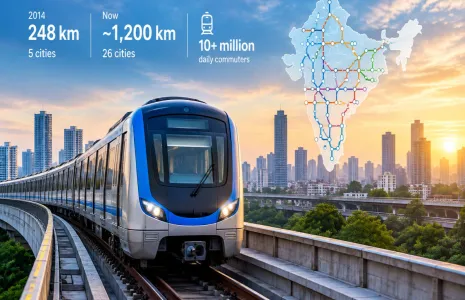
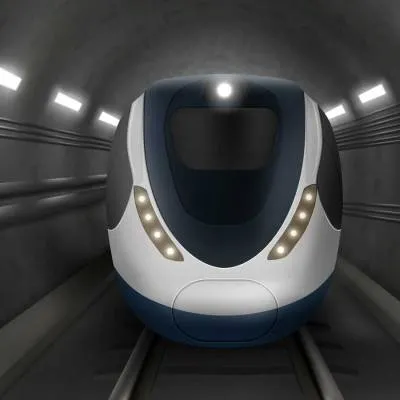
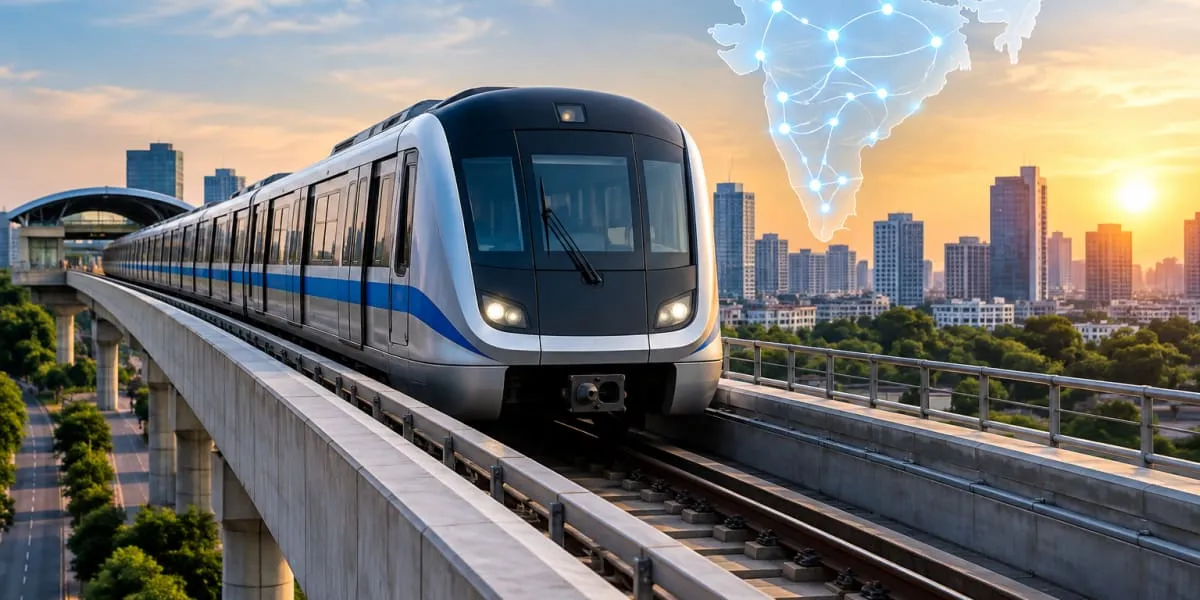
Prime Minister Narendra Modi said India’s metro rail network had expanded from 248 km across five cities in 2014 to nearly 1,200 km across 26 cities. He said the growth had improved urban mobility and the quality of life for millions of commuters.

In a post on X, Modi said the network had expanded at a much faster pace since 2014, when cities such as Pune would otherwise have faced a wait of years or decades for metro services. He added that more than 10 mn people now travel by metro every day across the country.

The Prime Minister said the impact of the expansion extended beyond network length and passenger numbers. According to him, metro services reduce time spent in traffic, create more time for families, improve productivity and widen access to employment and other opportunities.

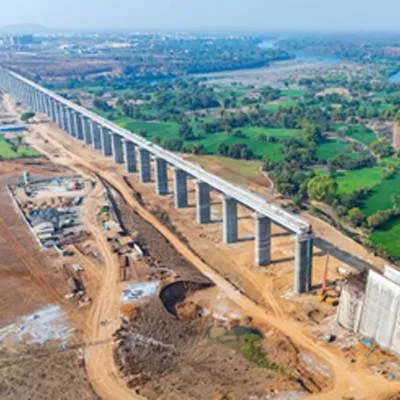
Modi had earlier virtually inaugurated Pune Metro Line 3, also known as the Pink Line, on Tuesday. The 23.2 km elevated corridor connects Maan and Hinjewadi, an important information technology hub, with Shivajinagar and the District Court Metro station, and was developed under a public-private partnership (PPP) model at a cost of more than Rs. 83 bn.

The line is operated entirely by women train operators, while about 30 per cent of its power requirements are met through solar energy. Modi also laid the foundation stone for the Pune Metro Phase-II expansion, estimated at around Rs. 135 bn, covering corridors linking Kharadi, Wagholi, Hadapsar, Swargate and Khadakwasla.

Modi said the new services would strengthen links between Pune’s established areas and newer residential and commercial centres. He also said metro expansion in tier-1 and tier-2 cities would support cleaner mass transit, reduce road congestion and vehicular emissions, and improve connections between metro stations, bus terminals and railway stations.

Prime Minister Narendra Modi said India’s metro rail network had expanded from 248 km across five cities in 2014 to nearly 1,200 km across 26 cities. He said the growth had improved urban mobility and the quality of life for millions of commuters. In a post on X, Modi said the network had expanded at a much faster pace since 2014, when cities such as Pune would otherwise have faced a wait of years or decades for metro services. He added that more than 10 mn people now travel by metro every day across the country. The Prime Minister said the impact of the expansion extended beyond network length and passenger numbers. According to him, metro services reduce time spent in traffic, create more time for families, improve productivity and widen access to employment and other opportunities. Modi had earlier virtually inaugurated Pune Metro Line 3, also known as the Pink Line, on Tuesday. The 23.2 km elevated corridor connects Maan and Hinjewadi, an important information technology hub, with Shivajinagar and the District Court Metro station, and was developed under a public-private partnership (PPP) model at a cost of more than Rs. 83 bn. The line is operated entirely by women train operators, while about 30 per cent of its power requirements are met through solar energy. Modi also laid the foundation stone for the Pune Metro Phase-II expansion, estimated at around Rs. 135 bn, covering corridors linking Kharadi, Wagholi, Hadapsar, Swargate and Khadakwasla. Modi said the new services would strengthen links between Pune’s established areas and newer residential and commercial centres. He also said metro expansion in tier-1 and tier-2 cities would support cleaner mass transit, reduce road congestion and vehicular emissions, and improve connections between metro stations, bus terminals and railway stations.

Related Stories

Gold Stories

Next Story
Resources

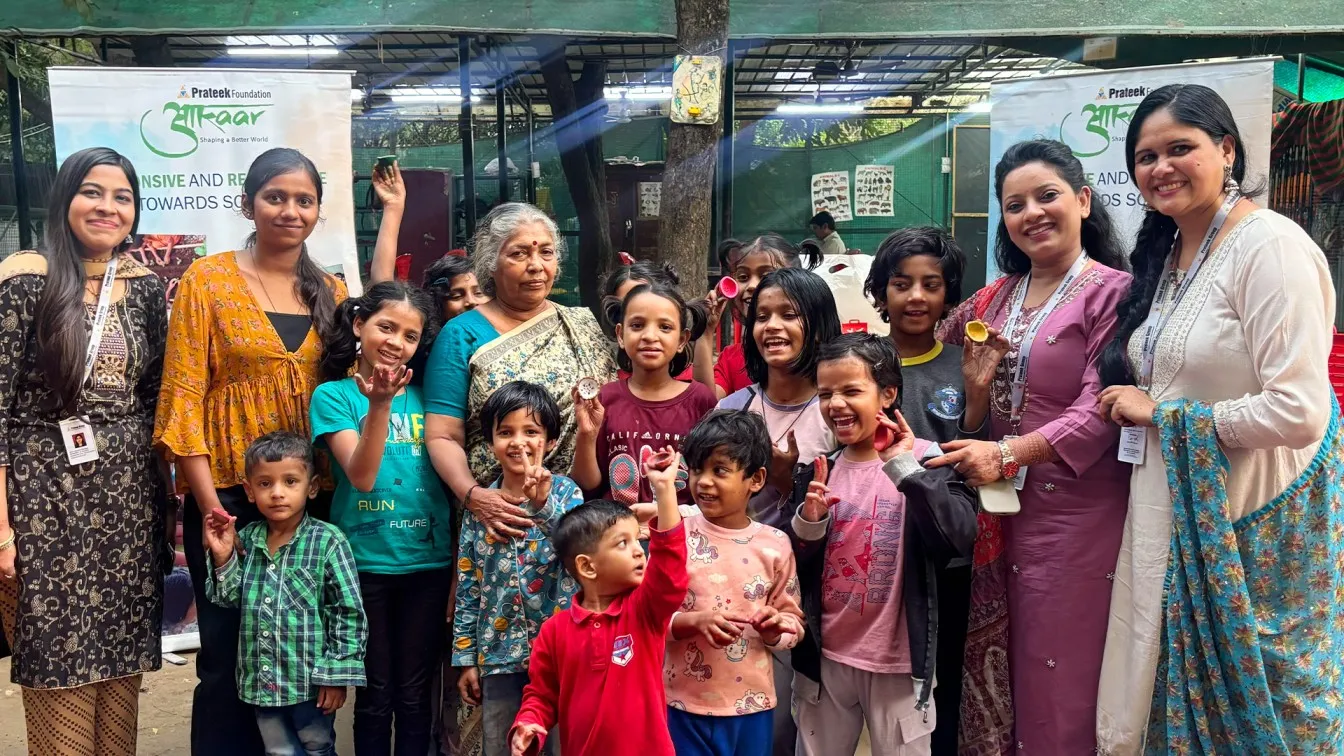
Prateek Foundation Aakaar celebrates Diwali with children in Noida

Prateek Foundation Aakaar, the community initiative of Prateek Group, organised a Diwali celebration for children at Saikripa, Noida, on 4 November 2026. The one-hour programme brought together members of the foundation and children for an afternoon of creative and recreational activities.The celebration included diya painting, games and interactive sessions, with children designing and decorating diyas. The activities were aimed at encouraging creativity and providing an opportunity for the children to participate in the festive celebrations.Prateek Tiwari, Managing Director, Prateek Group, s..
Next Story
Equipment

Shakti Pumps signs MoU with ISA to expand solar water pumping

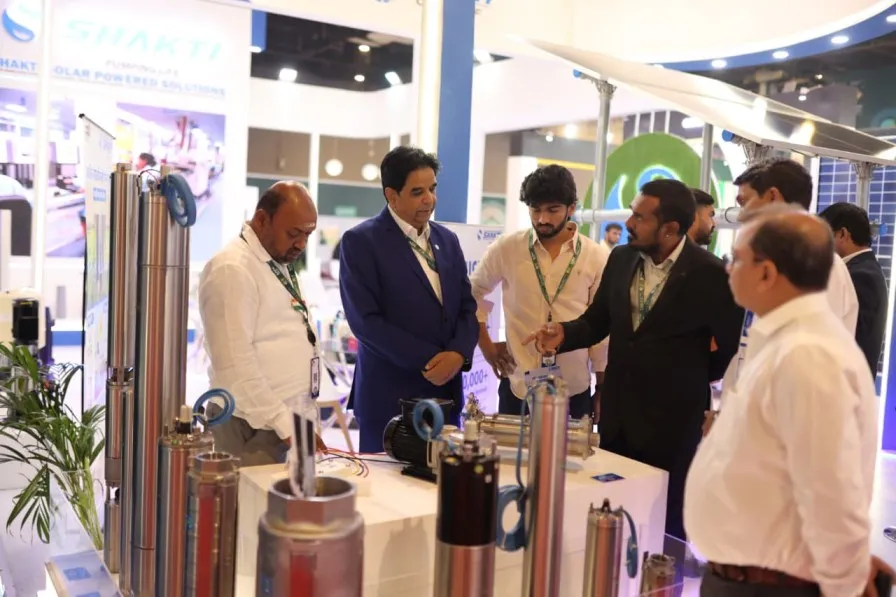
Shakti Pumps (India) signed a Memorandum of Understanding (MoU) with the International Solar Alliance (ISA) to strengthen international collaboration and accelerate the adoption of solar water pumping solutions. The agreement was signed by Ashish Khanna, Director General, ISA, and Ramesh Patidar, Managing Director, Shakti Pumps, alongside the ninth ISA Session at the Bharat Renewable Energy Summit and Expo (BRES) 2026, held at Bharat Mandapam, New Delhi.At the summit, Shakti Pumps showcased its integrated renewable energy portfolio, including solar pumping systems, rooftop solar solutions unde..
Next Story
Real Estate

Worli-Lower Parel gains ground as Mumbai’s commercial hub

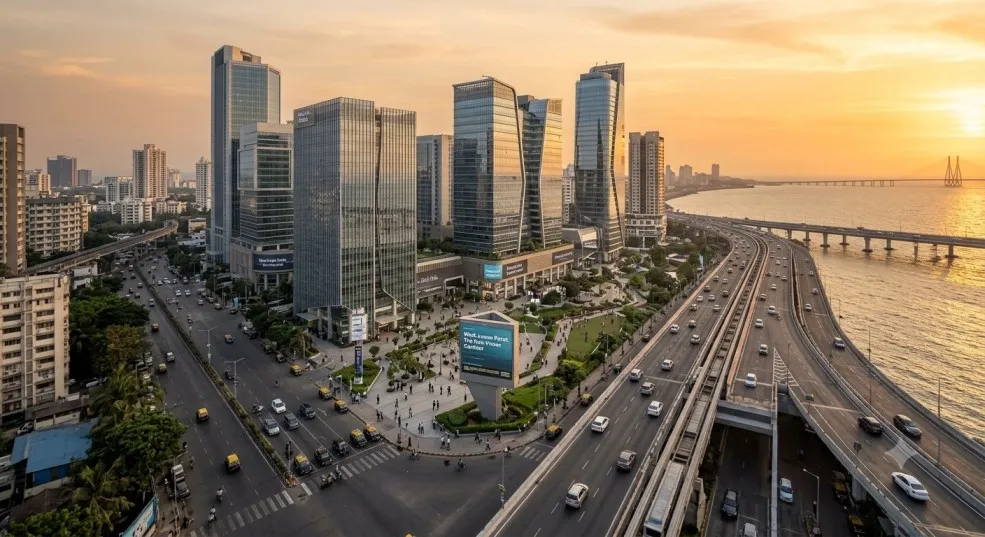
Mumbai’s Worli-Lower Parel corridor is gaining prominence as a commercial and luxury residential destination, attracting financial institutions, technology companies and high-net-worth individuals. Infrastructure upgrades, including the Coastal Road and improved transit connectivity, are contributing to the shift in occupier interest from established business districts such as Bandra-Kurla Complex (BKC) and Nariman Point.Recent leasing transactions underline the corridor’s growing commercial appeal. At Marathon Futurex in Lower Parel, three financial firms leased a combined 28,976 sq ft at..

Advertisement

Subscribe to Our Newsletter

Get daily newsletters around different themes from Construction world.

STAY CONNECTED

Advertisement

SPECIAL OFFER
QR Code