+
Kolkata Metro rolls out UPI in all stations
RAILWAYS & METRO RAIL

Kolkata Metro rolls out UPI in all stations

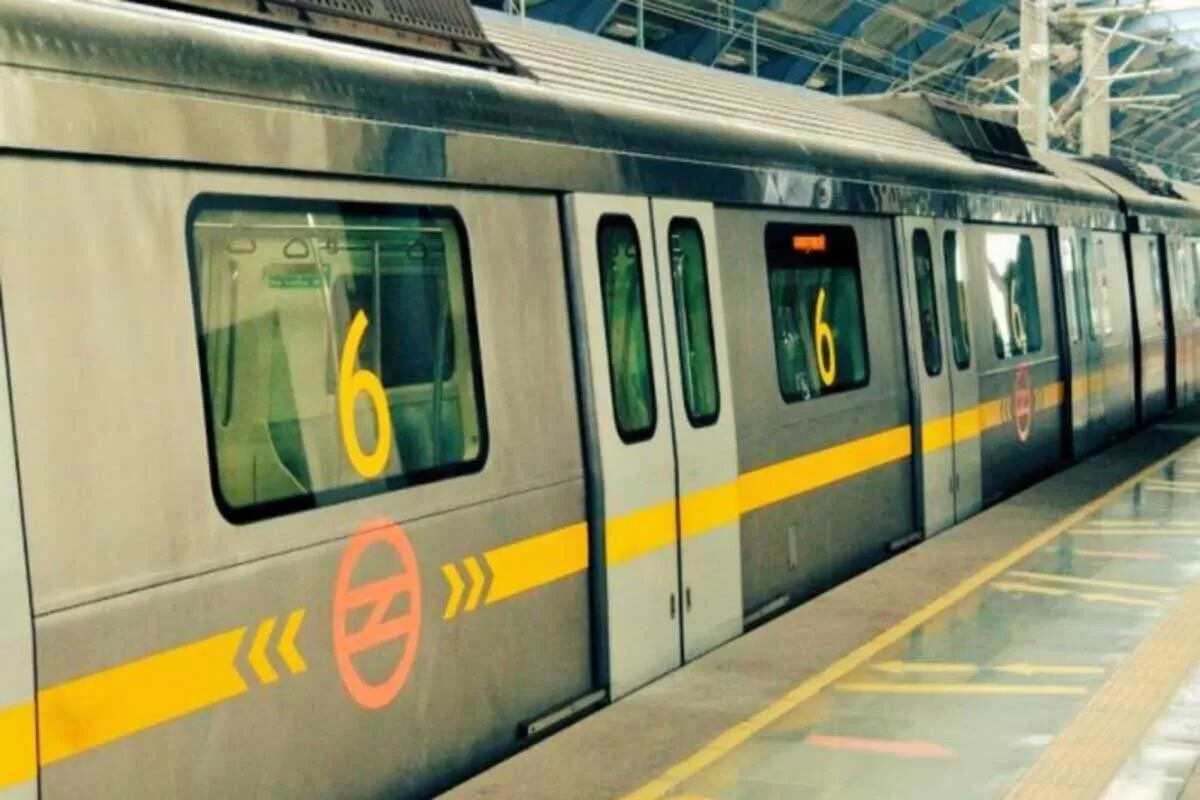
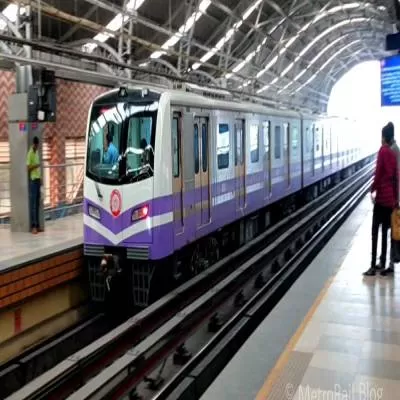
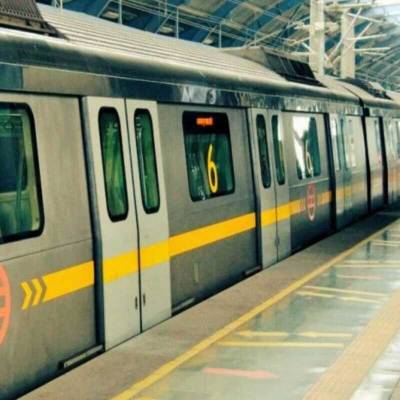
Kolkata Metro Railway has implemented the UPI payment system across all stations along the North-South corridor, extending the convenience of digital transactions to commuters. According to a statement released by Metro Railway Kolkata on Sunday, all Automatic Smart Card Recharge Machines (ASCRM) along the Blue Line (Dakshineswar-New Garia) now offer this facility, simplifying the process of purchasing tokens or recharging smart cards for passengers.

Previously introduced in the Howrah Maidan-Esplanade and Sector V-Sealdah corridors of the East-West Metro, this UPI-based ticketing system is now available at every station along the North-South corridor, connecting the city's outskirts. The system allows commuters to easily select their destination station by typing the first letter on the screen, followed by a selection from the auto-populated list. Subsequently, the payment page appears, offering the option of UPI Payment. Passengers can complete the transaction by scanning the QR code using their smartphones.

This initiative has already been implemented successfully at all stations of Green Line 1 and Green Line 2, garnering positive feedback from Metro users. In response to this, authorities are considering extending this convenient ticketing option to the Ruby-New Garia and Joka-Taratala sections in the near future, aiming to further enhance the commuting experience for passengers.

The implementation of this Unified Payments Interface (UPI) Based Ticketing System has been made possible through collaboration between Metro Railway authorities, State Bank of India, and the Centre for Railway Information Systems (CRIS).

(Source: ET Infra)

Kolkata Metro Railway has implemented the UPI payment system across all stations along the North-South corridor, extending the convenience of digital transactions to commuters. According to a statement released by Metro Railway Kolkata on Sunday, all Automatic Smart Card Recharge Machines (ASCRM) along the Blue Line (Dakshineswar-New Garia) now offer this facility, simplifying the process of purchasing tokens or recharging smart cards for passengers. Previously introduced in the Howrah Maidan-Esplanade and Sector V-Sealdah corridors of the East-West Metro, this UPI-based ticketing system is now available at every station along the North-South corridor, connecting the city's outskirts. The system allows commuters to easily select their destination station by typing the first letter on the screen, followed by a selection from the auto-populated list. Subsequently, the payment page appears, offering the option of UPI Payment. Passengers can complete the transaction by scanning the QR code using their smartphones. This initiative has already been implemented successfully at all stations of Green Line 1 and Green Line 2, garnering positive feedback from Metro users. In response to this, authorities are considering extending this convenient ticketing option to the Ruby-New Garia and Joka-Taratala sections in the near future, aiming to further enhance the commuting experience for passengers. The implementation of this Unified Payments Interface (UPI) Based Ticketing System has been made possible through collaboration between Metro Railway authorities, State Bank of India, and the Centre for Railway Information Systems (CRIS). (Source: ET Infra)

Next Story
Infrastructure Urban

Implementation Status of Jal Jeevan Mission

Since August 2019 the Government has implemented Jal Jeevan Mission to provide assured potable water through household tap connections in rural India. At the start of the mission only 32.3 million (mn) rural households, representing 16.7 per cent, were reported to have tap water connections. States and union territories have reported that 125.8 mn additional rural households have since been provided with tap connections. As a result, of about 193.6 mn rural households roughly 158.2 mn, or 81.71 per cent, are reported to have tap water supply at home.\n\nThe State, district and village level st..

Next Story
Infrastructure Urban

Jal Jeevan Mission Reaches Eighty One Per Cent Rural Coverage

The Government reported substantial progress under the Jal Jeevan Mission, launched in August 2019 to provide tap water to every rural household. At launch only 32.3 million (mn) rural households had tap connections and states and Union territories reported provision of 125.8 mn additional households by March 2026. Consequently, out of about 193.6 mn rural households around 158.2 mn, or 81.71 per cent, are reported to have tap water at home. The Finance Minister announced extension of the mission until 2028 in the 2025-26 budget speech. The Swachh Bharat Mission Grameen, launched in October 20..

Next Story
Infrastructure Urban

Empowering Local Governance for Sustainable Rural Water Supply

The Ministry of Jal Shakti has aligned the Jal Jeevan Mission (JJM) with the 73rd Amendment to strengthen village level planning and community ownership of water supply. Gram Panchayats, village water and sanitation committees and Pani Samitis are to plan, implement, manage and maintain piped water systems, with gram sabha processes formalising handover and oversight. Implementation support agencies including non government organisations, community based organisations and self help groups have been empanelled to train local committees and promote women participation. Under JJM, the department ..

Advertisement

Subscribe to Our Newsletter

Get daily newsletters around different themes from Construction world.

STAY CONNECTED

Advertisement

Advertisement

Advertisement