+
Logistics revolution in 2024 with Generative AI, Cloud Tech
RAILWAYS & METRO RAIL

Logistics revolution in 2024 with Generative AI, Cloud Tech

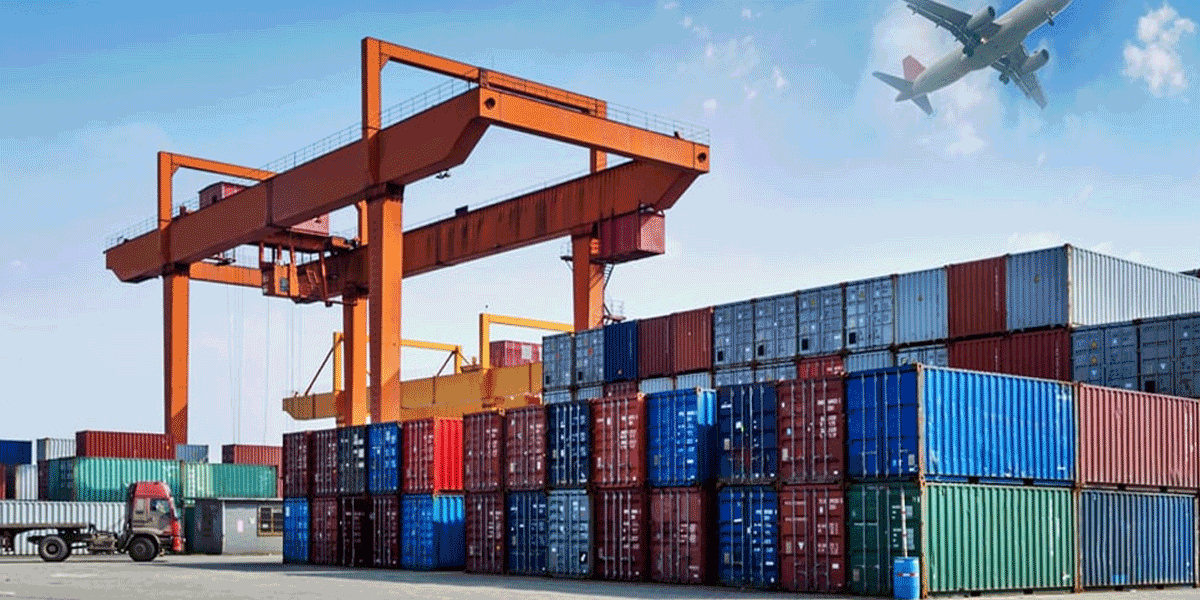
In the contemporary business environment, logistics professionals find themselves under unprecedented pressure to boost profitability and streamline operations amidst challenges in first, mid, and last-mile logistics. The emergence of cloud-based solutions is seen as a transformative force, bringing about a digital revolution in logistics. These solutions not only address inefficiencies and reduce risks but also offer advantages such as speed, cost-effectiveness, control, scalability, and security, ushering in a new era of efficient and resilient logistics operations.

According to a report, it is projected that within the next five years, 86% of companies based in the supply chain will integrate cloud computing into their operations. This marks a substantial increase from the current adoption rate of 40%, underscoring the growing recognition of the value of cloud-based solutions. Another research study predicts that the global cloud supply chain management market is expected to surge from $21.79 billion in 2022 to an estimated $71.93 billion by 2030, driven by a robust Compound Annual Growth Rate (CAGR) of 16.10%.

As the adoption of cloud-based solutions in logistics experiences a significant increase in 2024, opting for an in-house solution provides the advantage of customisation and complete control over data handling and storage costs. However, it also comes with notable downsides, including potential production delays, high maintenance and upkeep costs, and a lack of market expertise to facilitate upgrades.

On the contrary, an investment in a cloud-based logistics olution offers scalability in infrastructure to meet growing demand while remaining cost-effective by eliminating the need for hardware infrastructure. Importantly, businesses can seamlessly integrate these cloud-based solutions into their existing applications, avoiding the necessity of complete replacement.

In the contemporary business environment, logistics professionals find themselves under unprecedented pressure to boost profitability and streamline operations amidst challenges in first, mid, and last-mile logistics. The emergence of cloud-based solutions is seen as a transformative force, bringing about a digital revolution in logistics. These solutions not only address inefficiencies and reduce risks but also offer advantages such as speed, cost-effectiveness, control, scalability, and security, ushering in a new era of efficient and resilient logistics operations. According to a report, it is projected that within the next five years, 86% of companies based in the supply chain will integrate cloud computing into their operations. This marks a substantial increase from the current adoption rate of 40%, underscoring the growing recognition of the value of cloud-based solutions. Another research study predicts that the global cloud supply chain management market is expected to surge from $21.79 billion in 2022 to an estimated $71.93 billion by 2030, driven by a robust Compound Annual Growth Rate (CAGR) of 16.10%. As the adoption of cloud-based solutions in logistics experiences a significant increase in 2024, opting for an in-house solution provides the advantage of customisation and complete control over data handling and storage costs. However, it also comes with notable downsides, including potential production delays, high maintenance and upkeep costs, and a lack of market expertise to facilitate upgrades. On the contrary, an investment in a cloud-based logistics olution offers scalability in infrastructure to meet growing demand while remaining cost-effective by eliminating the need for hardware infrastructure. Importantly, businesses can seamlessly integrate these cloud-based solutions into their existing applications, avoiding the necessity of complete replacement.

Related Stories

Gold Stories

Next Story
Infrastructure Urban

Infrastructure Opportunity Outlook by IMPACCT.Info

India’s infrastructure pipeline is witnessing dynamic activity across stages — from immediate bidding to future planning. IMPACCT segments these into three categories: Immediate, 3–6 Month, and Future Opportunities, enabling businesses to identify, prepare, and participate in high-value tenders and projects across sectors.To read full article Click Here ..

Next Story
Real Estate

Glass, Reframed!

Glass façades, quintessential aesthetic building envelopes globally, have been widely adopted in India as well. But when the focus is high-performance building systems that deliver energy efficiency, comfort and architectural identity, glass isn’t the only preference. Combination solutions, involving glass and some other material, improve façade outcomes. Some combinations come at comparable prices, some at a higher price. Here is a selection of performance-oriented solutions...To read the full story Click Here ..

Next Story
Infrastructure Urban

Beyond Building Faster

India’s cities are expanding at an unprecedented pace, bringing new infrastructure and development opportunities while also intensifying challenges around mobility, public spaces, liveability and supporting infrastructure. The question, therefore, is not simply whether India can build faster, but whether it can build cities that work better.At a CW webinar, Are We Designing Better Cities – or Just Building Faster?, moderator Ar. Samir Shaikh, Founding Principal, AR&UD Studio, brought together perspectives from design, development, master planning and technology...To read the full artic..

Advertisement

Subscribe to Our Newsletter

Get daily newsletters around different themes from Construction world.

STAY CONNECTED

Advertisement

SPECIAL OFFER
QR Code