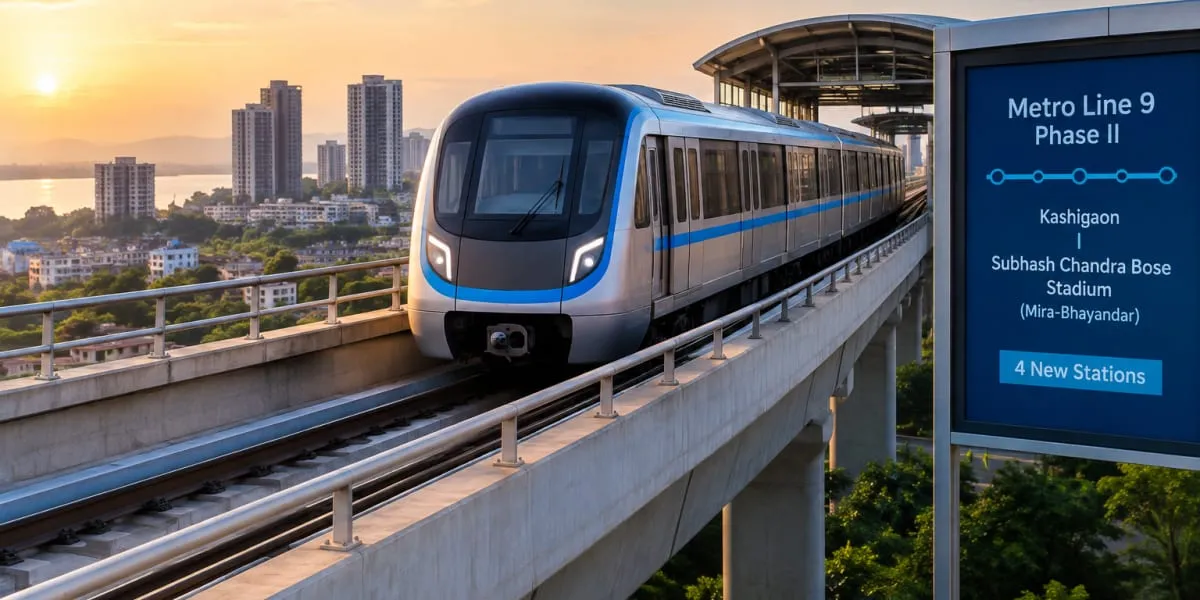
Mumbai Metro Line 9 Phase II Set to Reach Mira-Bhayandar by December
RAILWAYS & METRO RAIL

Mumbai Metro Line 9 Phase II Set to Reach Mira-Bhayandar by December

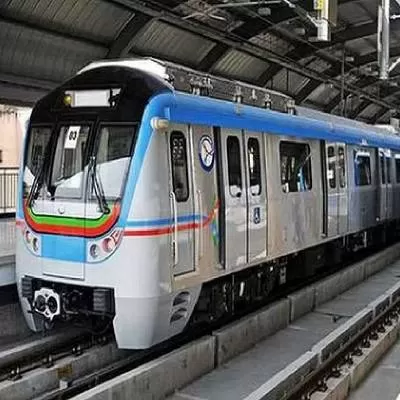
Mumbai Metro Line 9 Phase II, extending from Kashigaon to Subhash Chandra Bose Stadium in Mira-Bhayandar, is expected to be completed in December, according to the Mumbai Metropolitan Region Development Authority (MMRDA). The four-station extension will add connectivity deeper into the suburb and link it with Mumbai’s existing metro network. Passenger operations, however, can begin only after the mandatory safety inspection and certification process.

The phase will include stations at Sai Baba Nagar, Meditya Nagar, Shaheed Bhagat Singh Garden and Subhash Chandra Bose Stadium. Civil and systems work is expected to be completed before MMRDA invites the Commissioner of Metro Railway Safety (CMRS) to inspect the corridor. The inspection will determine whether the section meets the requirements for opening to passengers.

The extension follows the opening of the first phase of Metro Line 9, which runs from Dahisar East to Kashigaon and began public operations in April 2026. Metro Line 9 is itself an extension of Metro Line 7, connecting Dahisar East with Gundavali in Andheri East. Once the entire corridor is operational, residents of Mira-Bhayandar will have a direct metro route towards Andheri and other parts of Mumbai’s suburban network.

The new section is intended to provide an alternative to road travel and crowded Western Railway suburban services. It will run parallel to the Western Express Highway, one of the region’s busiest routes, where congestion often affects journeys between Mumbai’s western suburbs and Mira-Bhayandar. MMRDA estimates that the line could reduce travel time by 50 to 75 per cent, depending on prevailing traffic conditions, potentially making peak-hour journeys more predictable.

Mira-Bhayandar’s expanding residential population has increased demand for travel to Mumbai’s employment centres. Commuters currently rely largely on road transport and suburban trains, so the metro could offer another option for journeys affected by delays or overcrowding. Its effect on road congestion and rail demand will depend on passenger uptake, service frequency and convenient interchange with Metro Line 7. Remaining work, CMRS inspection and safety certification are the immediate steps before the phase can open.

Mumbai Metro Line 9 Phase II, extending from Kashigaon to Subhash Chandra Bose Stadium in Mira-Bhayandar, is expected to be completed in December, according to the Mumbai Metropolitan Region Development Authority (MMRDA). The four-station extension will add connectivity deeper into the suburb and link it with Mumbai’s existing metro network. Passenger operations, however, can begin only after the mandatory safety inspection and certification process. The phase will include stations at Sai Baba Nagar, Meditya Nagar, Shaheed Bhagat Singh Garden and Subhash Chandra Bose Stadium. Civil and systems work is expected to be completed before MMRDA invites the Commissioner of Metro Railway Safety (CMRS) to inspect the corridor. The inspection will determine whether the section meets the requirements for opening to passengers. The extension follows the opening of the first phase of Metro Line 9, which runs from Dahisar East to Kashigaon and began public operations in April 2026. Metro Line 9 is itself an extension of Metro Line 7, connecting Dahisar East with Gundavali in Andheri East. Once the entire corridor is operational, residents of Mira-Bhayandar will have a direct metro route towards Andheri and other parts of Mumbai’s suburban network. The new section is intended to provide an alternative to road travel and crowded Western Railway suburban services. It will run parallel to the Western Express Highway, one of the region’s busiest routes, where congestion often affects journeys between Mumbai’s western suburbs and Mira-Bhayandar. MMRDA estimates that the line could reduce travel time by 50 to 75 per cent, depending on prevailing traffic conditions, potentially making peak-hour journeys more predictable. Mira-Bhayandar’s expanding residential population has increased demand for travel to Mumbai’s employment centres. Commuters currently rely largely on road transport and suburban trains, so the metro could offer another option for journeys affected by delays or overcrowding. Its effect on road congestion and rail demand will depend on passenger uptake, service frequency and convenient interchange with Metro Line 7. Remaining work, CMRS inspection and safety certification are the immediate steps before the phase can open.

Related Stories

Gold Stories

Next Story
Building Material

Nuvoco reports 13.5% revenue growth in Q2 FY27

Nuvoco Vistas Corp. Ltd. reported consolidated revenue of Rs 27.9 billion for Q2 FY27, up 13.5% year on year. Cement sales volume rose 9% to 4.7 million tonnes (MMT), while EBITDA increased 11% to Rs 4.11 billion.The company said it began its cement operations in 2014 with a 2.3 MMT per annum (MMTPA) operation at Nimbol. It now aims to reach 35 MMTPA of cement capacity by FY28, nearly 15 times its initial capacity. Its portfolio spans cement, ready-mix concrete and modern building materials.On sustainability and cost efficiency, Nuvoco partnered with CleanMax for a 46.4 MW wind-solar hybrid re..
Next Story
Infrastructure Urban

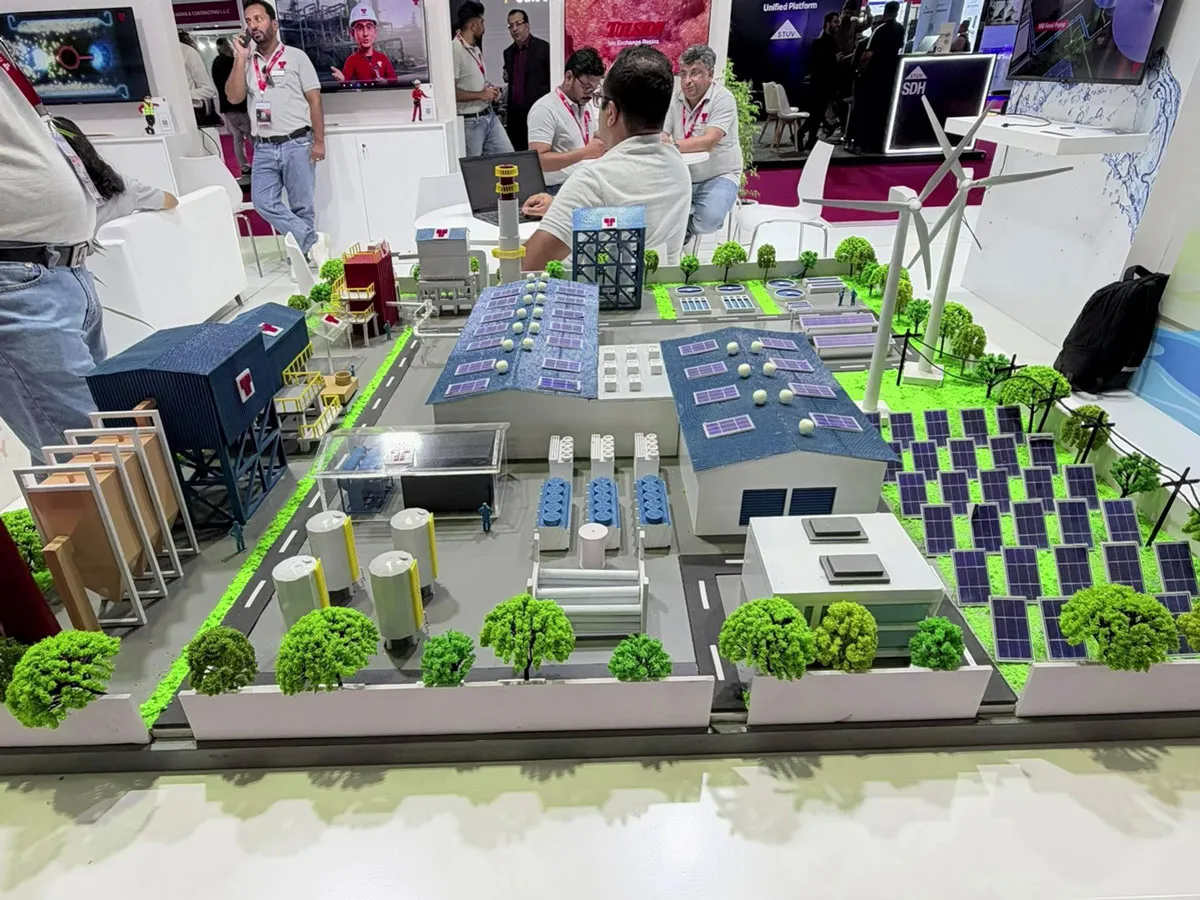
Thermax showcases water technologies at WETEX 2026

Thermax Limited showcased its seawater desalination and industrial water recovery technologies at the Water, Energy, Technology and Environment Exhibition 2026 (WETEX), held at Dubai World Trade Centre from October 20 to 22. Its digital showcase featured solutions intended to help industries secure reliable water supplies, improve resource efficiency and reduce environmental impact.Dubai Electricity and Water Authority’s (DEWA) financial annual report stated that desalinated water production rose 5.51% year on year in the first quarter of 2026 to 37.57 billion imperial gallons. By June 2026,..
Next Story
Infrastructure Energy

Bondada receives LOI for 120 MWh battery storage project

Bondada Engineering Limited, a Hyderabad-based engineering, procurement and construction (EPC) company, has received a Letter of Intent (LOI) from Gujarat Industries Power Company Limited (GIPCL) for a 20 MW/120 MWh Vanadium Redox Flow Battery Energy Storage System (VRFB BESS). The project will be developed at GIPCL’s 165 MW natural gas power plant complex in Vadodara, Gujarat, and includes a 10-year operations and maintenance (O&M) contract.Bondada Engineering said the project is India’s largest grid-scale VRFB energy storage system. It marks the company’s expansion into advanced en..

Advertisement

Subscribe to Our Newsletter

Get daily newsletters around different themes from Construction world.

STAY CONNECTED

Advertisement

SPECIAL OFFER
QR Code