Mumbai Metro, Monorail Asked to Submit Disaster Plans
RAILWAYS & METRO RAIL

Mumbai Metro, Monorail Asked to Submit Disaster Plans

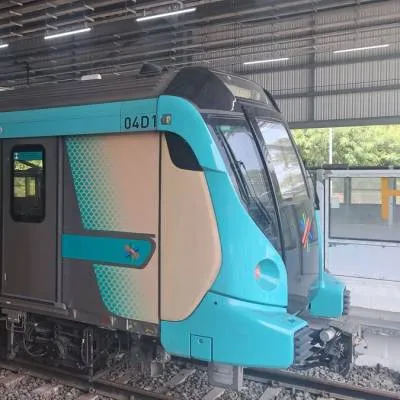
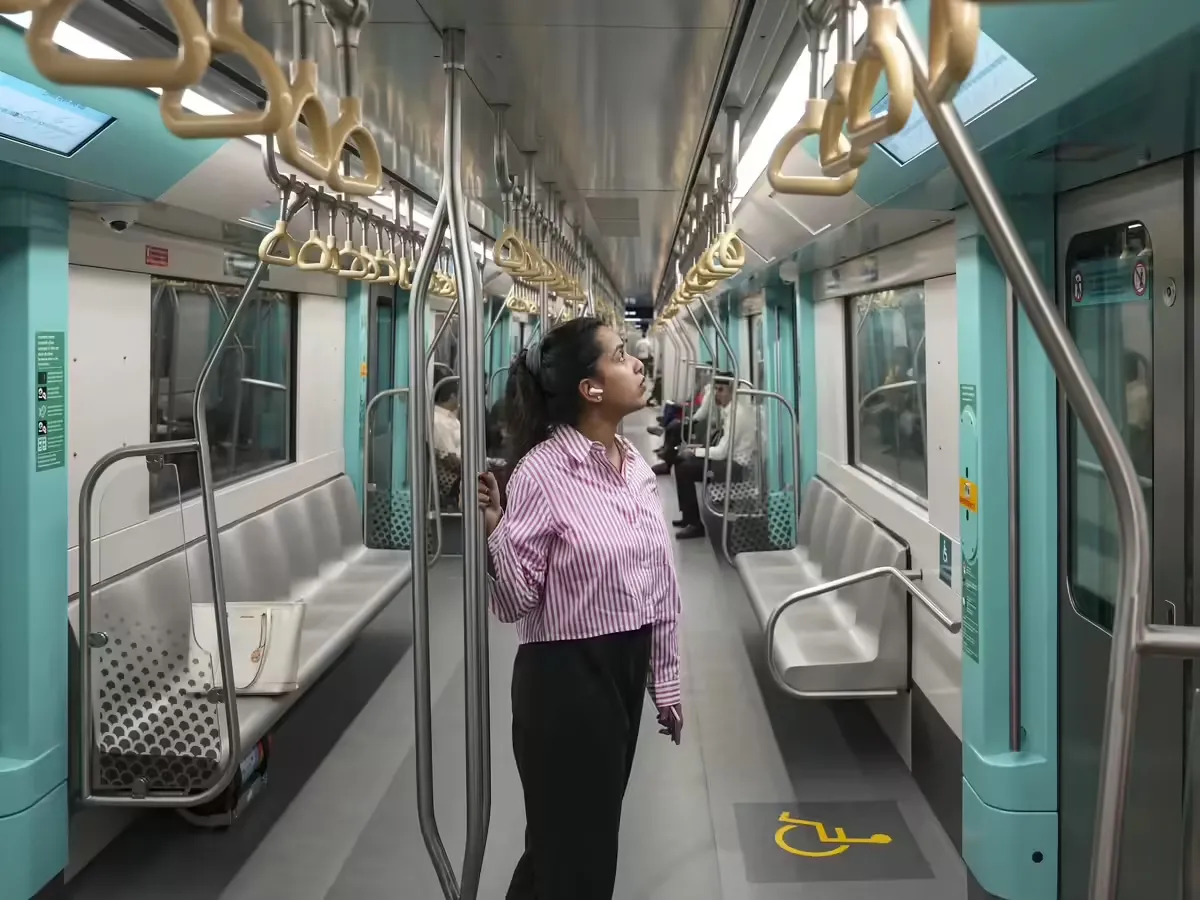
The district disaster management authorities for Mumbai and Mumbai Suburban districts have directed agencies operating the city’s Monorail and Metro networks to submit detailed emergency management plans and Standard Operating Procedures (SOPs) to strengthen disaster preparedness across public transport systems.

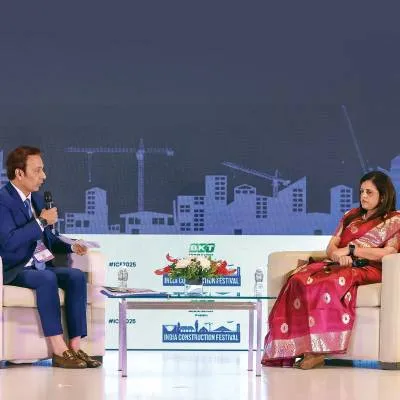
According to a statement from the Brihanmumbai Municipal Corporation (BMC), the directive was issued during a joint review meeting chaired by Dr Vipin Sharma, Additional Municipal Commissioner and Chairman of the District Disaster Management Authority (DDMA).

Dr Sharma called upon all agencies responsible for elevated and underground Metro and Monorail operations to share comprehensive protocols for managing emergencies, ensuring safety, and coordinating rapid response in crisis situations.

The meeting followed the Monorail breakdown near Bhakti Park in Chembur on 19 August, which stranded passengers for several hours due to a technical failure. The incident highlighted gaps in emergency response and passenger evacuation procedures, prompting the disaster management bodies to seek stricter compliance from operators.

Dr Ashwini Joshi, Chairperson of the Mumbai City DDMA and Additional Municipal Commissioner (City), emphasised the need for regular mock drills and response simulations at all major transport facilities. These exercises, she said, would help assess on-ground readiness and ensure that agencies are fully prepared to manage emergencies efficiently.

The review meeting concluded with instructions for all transport operators to update and standardise their safety plans, enhance inter-agency coordination, and strengthen their real-time communication systems to protect commuters during unforeseen incidents.

The district disaster management authorities for Mumbai and Mumbai Suburban districts have directed agencies operating the city’s Monorail and Metro networks to submit detailed emergency management plans and Standard Operating Procedures (SOPs) to strengthen disaster preparedness across public transport systems. According to a statement from the Brihanmumbai Municipal Corporation (BMC), the directive was issued during a joint review meeting chaired by Dr Vipin Sharma, Additional Municipal Commissioner and Chairman of the District Disaster Management Authority (DDMA). Dr Sharma called upon all agencies responsible for elevated and underground Metro and Monorail operations to share comprehensive protocols for managing emergencies, ensuring safety, and coordinating rapid response in crisis situations. The meeting followed the Monorail breakdown near Bhakti Park in Chembur on 19 August, which stranded passengers for several hours due to a technical failure. The incident highlighted gaps in emergency response and passenger evacuation procedures, prompting the disaster management bodies to seek stricter compliance from operators. Dr Ashwini Joshi, Chairperson of the Mumbai City DDMA and Additional Municipal Commissioner (City), emphasised the need for regular mock drills and response simulations at all major transport facilities. These exercises, she said, would help assess on-ground readiness and ensure that agencies are fully prepared to manage emergencies efficiently. The review meeting concluded with instructions for all transport operators to update and standardise their safety plans, enhance inter-agency coordination, and strengthen their real-time communication systems to protect commuters during unforeseen incidents.

Next Story
Infrastructure Transport

Large Format Store Planned At M G Road Metro Station

M G Road station in Bengaluru is set to host the city’s first large-format commercial and experience space, with planning led by Bangalore Metro Rail Corporation Limited. BMRCL has invited proposals to develop and operate a central business district destination at the Purple?Pink Line interchange. The plan positions the station as a commercial hub designed to serve a broad commuter base across the city. The proposal is part of a broader effort to activate transit nodes commercially. Tender documents set a minimum monthly rental of Rs 0.944 million (mn), inclusive of GST, for the large-format..

Next Story
Infrastructure Energy

Government Cancels Auction Of Eleven Critical Mineral Blocks

The government has cancelled the auction of 11 critical and strategic mineral blocks after receiving a poor investor response and failing to attract a sufficient number of qualified bidders. The decision represents a setback to plans to ramp up domestic exploration and production of critical minerals amid global supply chain disruptions and rising demand for materials used in clean energy and advanced technologies. The mines ministry issued an annulment notice setting out the reasons for the cancellations. The annulment notice indicated that the auction process for five mineral blocks was canc..

Next Story
Infrastructure Energy

Gujarat Pushes Biogas Growth With 193 Operational Units

Gujarat has operationalised 193 biogas plants across the state and is planning to add 60 more units as part of a broader push to scale up clean and sustainable energy solutions. The existing plants, established under various government-supported schemes, process organic waste including cattle dung and agricultural residue to produce biogas and a nutrient-rich slurry. The output is mainly used for cooking and other energy needs in rural and semi-urban communities, while also improving local waste management practices. The Gujarat Energy Development Agency (GEDA) is leading the initiative and is..

Advertisement

Subscribe to Our Newsletter

Get daily newsletters around different themes from Construction world.

STAY CONNECTED

Advertisement

Advertisement

Advertisement