+
Navi Mumbai considers MetroNeo 2.0
RAILWAYS & METRO RAIL

Navi Mumbai considers MetroNeo 2.0

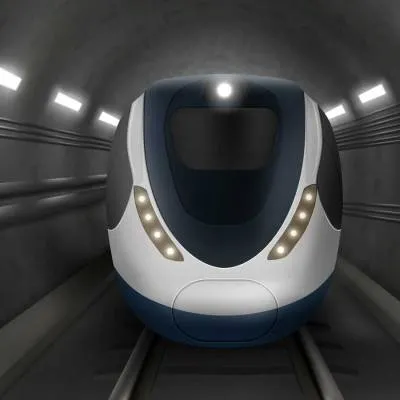
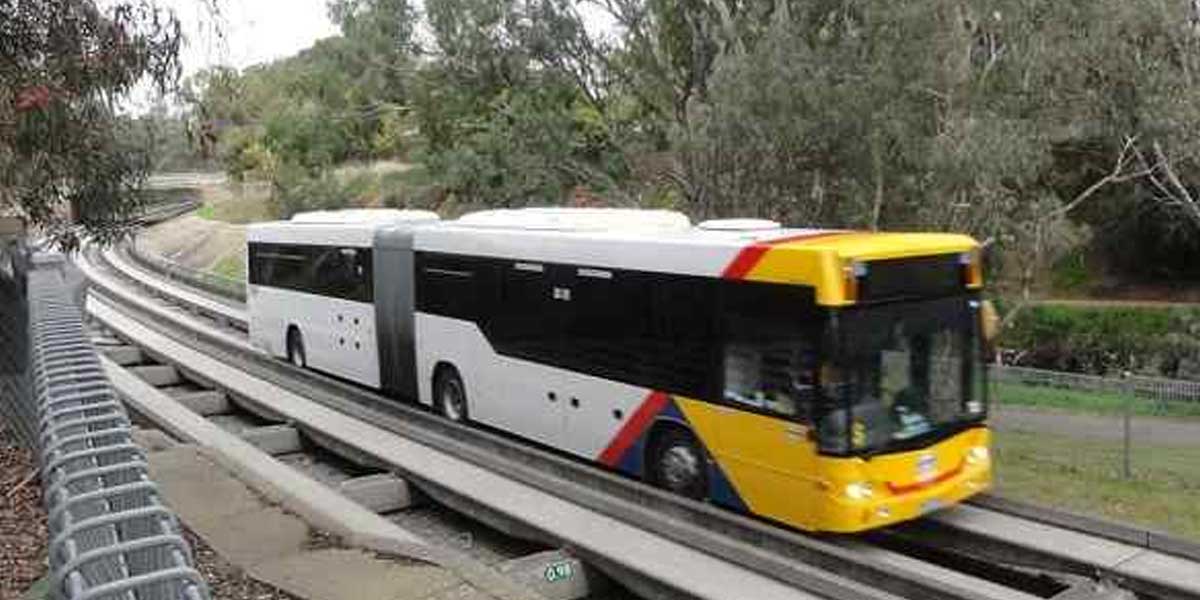
Navi Mumbai has become the fifth city in India and the third in Maharashtra to actively consider Metro Neo, a hybrid of metro rail and bus rapid transit system. This innovative technology has all the features of a metro rail, except for the vehicle that ferries passengers. Bi-articulated buses with overhead equipment will power the system instead of rail-based coaches. The system is similar to the tram that once operated on the streets of South Mumbai but without rail tracks. The entire pathway will be elevated, with stations similar to metro corridors.

The proposed system caters to passenger loads that are neither excessive nor thin and is more cost-effective than a metro rail. A metro rail is economical for Peak Hour Peak Direction Traffic (PHPDT) of over 15,000, while a bus transit system caters to up to 5,000 PHPDT. A rail-based tram system addresses traffic requirements of up to 15,000 PHPDT. Hence, Metro Neo has been proposed for cities and corridors where PHPDT is around 8,000 and extendable up to 10,000.

The Union Ministry of Housing & Urban Affairs issued standard specifications for Metro Neo in November 2020. “The CIDCO Board has approved the implementation of Navi Mumbai Metro Line 2, 3, and 4 using a modified mode of transport called MetroNeo 2.0 instead of the standard gauge Metro. MetroNeo 2.0 is a rubber tyre bi-articulated electric trolley bus that is powered by an overhead traction system. This system requires a dedicated right-of-way and can be either elevated or at grade,” said a senior state official.

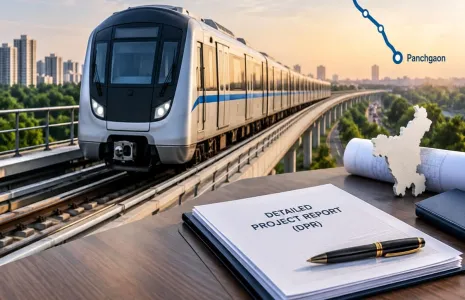
CIDCO has appointed the Urban Mass Transit Company (UMTC) to prepare a Detailed Project Report (DPR) for MetroNeo 2.0 on the identified routes for these lines. So far, UMTC has submitted the travel demand model, alignment, and station locations. The draft DPR is in, and the tendering process is likely to commence in the months to come. The other cities in India where this system has been proposed are Nagpur, Nashik, Warangal, Delhi, and Jaipur.

Navi Mumbai has become the fifth city in India and the third in Maharashtra to actively consider Metro Neo, a hybrid of metro rail and bus rapid transit system. This innovative technology has all the features of a metro rail, except for the vehicle that ferries passengers. Bi-articulated buses with overhead equipment will power the system instead of rail-based coaches. The system is similar to the tram that once operated on the streets of South Mumbai but without rail tracks. The entire pathway will be elevated, with stations similar to metro corridors.The proposed system caters to passenger loads that are neither excessive nor thin and is more cost-effective than a metro rail. A metro rail is economical for Peak Hour Peak Direction Traffic (PHPDT) of over 15,000, while a bus transit system caters to up to 5,000 PHPDT. A rail-based tram system addresses traffic requirements of up to 15,000 PHPDT. Hence, Metro Neo has been proposed for cities and corridors where PHPDT is around 8,000 and extendable up to 10,000.The Union Ministry of Housing & Urban Affairs issued standard specifications for Metro Neo in November 2020. “The CIDCO Board has approved the implementation of Navi Mumbai Metro Line 2, 3, and 4 using a modified mode of transport called MetroNeo 2.0 instead of the standard gauge Metro. MetroNeo 2.0 is a rubber tyre bi-articulated electric trolley bus that is powered by an overhead traction system. This system requires a dedicated right-of-way and can be either elevated or at grade,” said a senior state official.CIDCO has appointed the Urban Mass Transit Company (UMTC) to prepare a Detailed Project Report (DPR) for MetroNeo 2.0 on the identified routes for these lines. So far, UMTC has submitted the travel demand model, alignment, and station locations. The draft DPR is in, and the tendering process is likely to commence in the months to come. The other cities in India where this system has been proposed are Nagpur, Nashik, Warangal, Delhi, and Jaipur.

Related Stories

Gold Stories
Next Story
Infrastructure Urban

Infrastructure Opportunity Outlook by IMPACCT.Info

India’s infrastructure pipeline is witnessing dynamic activity across stages — from immediate bidding to future planning. IMPACCT segments these into three categories: Immediate, 3–6 Month, and Future Opportunities, enabling businesses to identify, prepare, and participate in high-value tenders and projects across sectors.To read full article Click Here ..

Next Story
Real Estate

Glass, Reframed!

Glass façades, quintessential aesthetic building envelopes globally, have been widely adopted in India as well. But when the focus is high-performance building systems that deliver energy efficiency, comfort and architectural identity, glass isn’t the only preference. Combination solutions, involving glass and some other material, improve façade outcomes. Some combinations come at comparable prices, some at a higher price. Here is a selection of performance-oriented solutions...To read the full story Click Here ..

Next Story
Infrastructure Urban

Beyond Building Faster

India’s cities are expanding at an unprecedented pace, bringing new infrastructure and development opportunities while also intensifying challenges around mobility, public spaces, liveability and supporting infrastructure. The question, therefore, is not simply whether India can build faster, but whether it can build cities that work better.At a CW webinar, Are We Designing Better Cities – or Just Building Faster?, moderator Ar. Samir Shaikh, Founding Principal, AR&UD Studio, brought together perspectives from design, development, master planning and technology...To read the full artic..

Advertisement

Subscribe to Our Newsletter

Get daily newsletters around different themes from Construction world.

STAY CONNECTED

Advertisement

SPECIAL OFFER
QR Code