

+
NCRTC: 2.21 MWp solar saves 2,300 tonne of CO2
RAILWAYS & METRO RAIL

NCRTC: 2.21 MWp solar saves 2,300 tonne of CO2

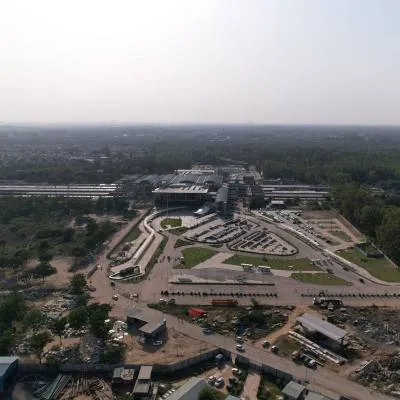
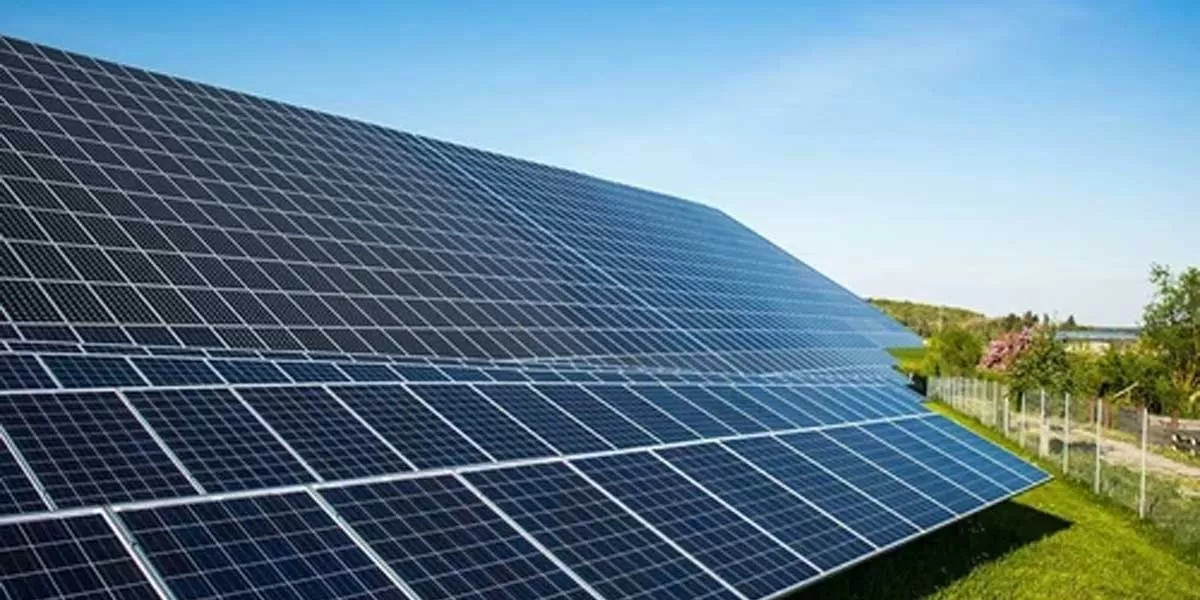
National Capital Regional Transport Corporation (NCRTC) said that the 2.21 megawatt peak (MWp) of in-house solar power generation across the RRTS corridor is contributing to saving over 2,300 tonne of carbon dioxide emissions (CO2) annually. It has taken significant strides in embracing renewable energy through its widespread adoption of solar power infrastructure along India’s first Delhi-Ghaziabad-Meerut RRTS corridor.
Contact: National Capital Regional Transport Corporation
Tel: 011 2466 6700
Email: contactus@ncrtc.in
Website: www.ncrtc.in

Titagarh Rail Systems inaugurates new engineering centre in Bengaluru
Titagarh Rail Systems (TRSL) inaugurated its new engineering centre in Bengaluru. The facility will be dedicated to new product development for train control and monitoring systems (TCMS) and advanced propulsion systems, revolutionising the future of rail transportation in the country. Outfitted with cutting-edge technology and infrastructure, the new centre is designed to foster creativity and collaboration among TRSL’s engineers and designers. The company anticipates hiring a large number of engineers in several rolling stock disciplines at this facility.
Contact: Titagarh Rail Systems
Email: regd@titagarh.in
Website: www.titagarh.in

Alstom delivers first 'Made-in-India'metro train for Pune Metro Line 3
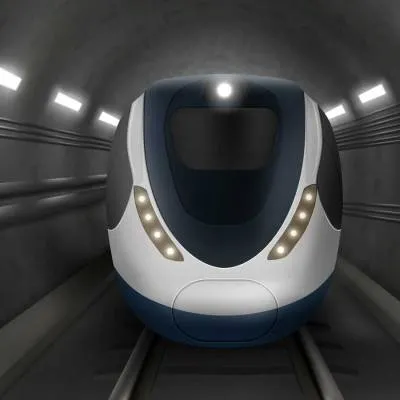
Alstom has delivered the inaugural Metropolis metro train for Pune Metro Line 3, marking a crucial step towards enhancing public transportation in the city. This first Metropolis metro train has been manufactured from its world-class manufacturing facility in Andhra Pradesh. These are 100 percent Made-in-India manufactured trains, which have an operation speed of 85 kmph, connecting Hinjewadi’s IT hub with Shivajinagar’s central business district in Maharashtra. Under the pact, Alstom will produce 22 Metropolis train sets, each comprising three carriages with a capacity to accommodate up to 1,000 passengers.
Contact: Alstom
Website: www.alstom.com

Bullet Train: Over 76,000 segments for 16 km tunnel
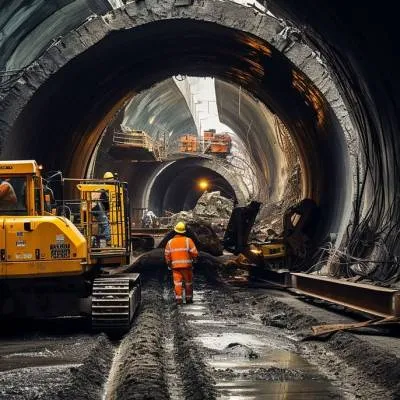
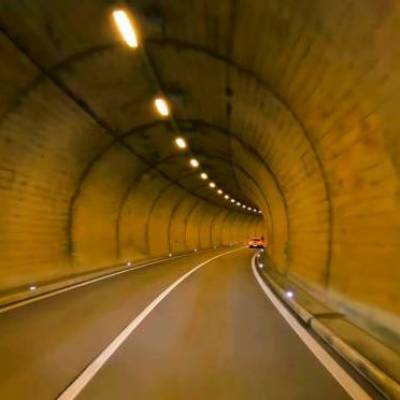
A 21-km tunnel is under construction between the Bandra Kurla Complex and Shilphata for the Mumbai-Ahmedabad Bullet Train Project. Of the total length, 16 km will be excavated using three tunnel boring machines (TBMs), while the remaining 5 km will be constructed using the New Austrian Tunnelling Method (NATM). To construct the 16-km section with TBMs, 76,940 segments will be cast to form 7,441 rings. Special ring segments are being cast for the tunnel lining, each ring comprising nine curved segments and one key segment, with each segment being 2 meters wide and 0.5 meters thick. High-strength M70 grade concrete is being used to ensure superior structural integrity and long-term durability.

Battery systems to move stranded Kolkata Metro rakes
In a first in the country, the Metro Railway Kolkata is installing a battery system that will allow a train filled with passengers to move to the nearest station in the event of a sudden power outage. The Battery Energy Storage System (BESS) is coming up in the Dakshineswar-New Garia corridor (Blue Line) which runs across Kolkata. The system is expected to be completed by the end of this year. The new system in the Blue Line, India’s oldest Metro service, will be an “amalgamation of inverters and advanced chemistry cell (ACC) batteries”. ACCs are the new generation advanced energy storage technologies that can store electric energy, either as electrochemical or chemical energy and convert it back to electric energy.

National Capital Regional Transport Corporation (NCRTC) said that the 2.21 megawatt peak (MWp) of in-house solar power generation across the RRTS corridor is contributing to saving over 2,300 tonne of carbon dioxide emissions (CO2) annually. It has taken significant strides in embracing renewable energy through its widespread adoption of solar power infrastructure along India’s first Delhi-Ghaziabad-Meerut RRTS corridor.Contact: National Capital Regional Transport CorporationTel: 011 2466 6700Email: contactus@ncrtc.inWebsite: www.ncrtc.inTitagarh Rail Systems inaugurates new engineering centre in BengaluruTitagarh Rail Systems (TRSL) inaugurated its new engineering centre in Bengaluru. The facility will be dedicated to new product development for train control and monitoring systems (TCMS) and advanced propulsion systems, revolutionising the future of rail transportation in the country. Outfitted with cutting-edge technology and infrastructure, the new centre is designed to foster creativity and collaboration among TRSL’s engineers and designers. The company anticipates hiring a large number of engineers in several rolling stock disciplines at this facility.Contact: Titagarh Rail SystemsEmail: regd@titagarh.inWebsite: www.titagarh.inAlstom delivers first 'Made-in-India'metro train for Pune Metro Line 3Alstom has delivered the inaugural Metropolis metro train for Pune Metro Line 3, marking a crucial step towards enhancing public transportation in the city. This first Metropolis metro train has been manufactured from its world-class manufacturing facility in Andhra Pradesh. These are 100 percent Made-in-India manufactured trains, which have an operation speed of 85 kmph, connecting Hinjewadi’s IT hub with Shivajinagar’s central business district in Maharashtra. Under the pact, Alstom will produce 22 Metropolis train sets, each comprising three carriages with a capacity to accommodate up to 1,000 passengers.Contact: AlstomWebsite: www.alstom.comBullet Train: Over 76,000 segments for 16 km tunnelA 21-km tunnel is under construction between the Bandra Kurla Complex and Shilphata for the Mumbai-Ahmedabad Bullet Train Project. Of the total length, 16 km will be excavated using three tunnel boring machines (TBMs), while the remaining 5 km will be constructed using the New Austrian Tunnelling Method (NATM). To construct the 16-km section with TBMs, 76,940 segments will be cast to form 7,441 rings. Special ring segments are being cast for the tunnel lining, each ring comprising nine curved segments and one key segment, with each segment being 2 meters wide and 0.5 meters thick. High-strength M70 grade concrete is being used to ensure superior structural integrity and long-term durability.Battery systems to move stranded Kolkata Metro rakesIn a first in the country, the Metro Railway Kolkata is installing a battery system that will allow a train filled with passengers to move to the nearest station in the event of a sudden power outage. The Battery Energy Storage System (BESS) is coming up in the Dakshineswar-New Garia corridor (Blue Line) which runs across Kolkata. The system is expected to be completed by the end of this year. The new system in the Blue Line, India’s oldest Metro service, will be an “amalgamation of inverters and advanced chemistry cell (ACC) batteries”. ACCs are the new generation advanced energy storage technologies that can store electric energy, either as electrochemical or chemical energy and convert it back to electric energy.

Next Story
Infrastructure Urban

Implementation Status of Jal Jeevan Mission

Since August 2019 the Government has implemented Jal Jeevan Mission to provide assured potable water through household tap connections in rural India. At the start of the mission only 32.3 million (mn) rural households, representing 16.7 per cent, were reported to have tap water connections. States and union territories have reported that 125.8 mn additional rural households have since been provided with tap connections. As a result, of about 193.6 mn rural households roughly 158.2 mn, or 81.71 per cent, are reported to have tap water supply at home.\n\nThe State, district and village level st..

Next Story
Infrastructure Urban

Jal Jeevan Mission Reaches Eighty One Per Cent Rural Coverage

The Government reported substantial progress under the Jal Jeevan Mission, launched in August 2019 to provide tap water to every rural household. At launch only 32.3 million (mn) rural households had tap connections and states and Union territories reported provision of 125.8 mn additional households by March 2026. Consequently, out of about 193.6 mn rural households around 158.2 mn, or 81.71 per cent, are reported to have tap water at home. The Finance Minister announced extension of the mission until 2028 in the 2025-26 budget speech. The Swachh Bharat Mission Grameen, launched in October 20..

Next Story
Infrastructure Urban

Empowering Local Governance for Sustainable Rural Water Supply

The Ministry of Jal Shakti has aligned the Jal Jeevan Mission (JJM) with the 73rd Amendment to strengthen village level planning and community ownership of water supply. Gram Panchayats, village water and sanitation committees and Pani Samitis are to plan, implement, manage and maintain piped water systems, with gram sabha processes formalising handover and oversight. Implementation support agencies including non government organisations, community based organisations and self help groups have been empanelled to train local committees and promote women participation. Under JJM, the department ..

Advertisement

Subscribe to Our Newsletter

Get daily newsletters around different themes from Construction world.

STAY CONNECTED

Advertisement

Advertisement

Advertisement