Odisha Seeks Rethink On Puri–Konark Railway Alignment
RAILWAYS & METRO RAIL

Odisha Seeks Rethink On Puri–Konark Railway Alignment

In a move that diverges from the Centre’s earlier approved plan, the Odisha government has asked the East Coast Railway (ECoR) to reconsider the alignment of the proposed Puri–Konark new railway line.

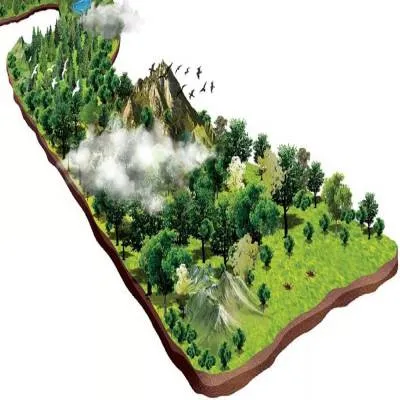
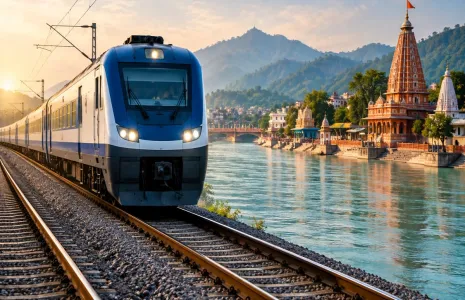
According to reports, the state government has suggested that ECoR explore an alternative route passing through the Balukhand Reserve Forest to provide travellers with a scenic coastal experience. The proposal, discussed at a review meeting chaired by Development Commissioner Anu Garg on 23 September, marks a shift from the route previously approved by Prime Minister Narendra Modi.

The 32-km project, sanctioned last year at an estimated cost of Rs 4.92 billion, was initially designed to bypass the Balukhand reserve and its eco-sensitive zone to minimise environmental impact.

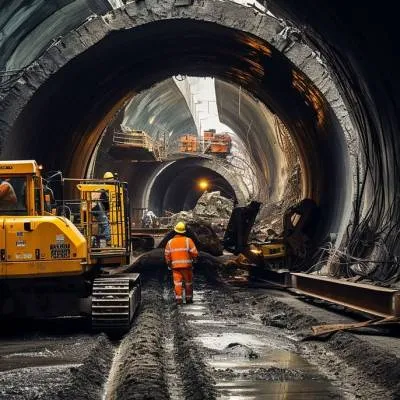
However, the state government has argued that aligning the new line closer to the existing marine drive road would enhance its tourism potential while requiring minimal engineering intervention.

For now, the ECoR has been directed to continue work on the original alignment until a final decision is reached. Meanwhile, discussions are underway to explore a spur line or dedicated tourist train service along the marine drive, as well as other transport options such as a metro, monorail, or cable car system to improve connectivity between Puri and Konark, both major heritage destinations.

The proposal comes amid a broader expansion of rail infrastructure in Odisha. In northern Odisha, land acquisition has begun for the Rs 16.39 billion Budhamara–Chakulia railway line in Mayurbhanj district. Surveys are also ongoing for other sanctioned routes, including Badampahar–Keonjhar and Bangiriposi–Gorumahisani.

During a recent meeting with Odisha MPs in New Delhi, Railway Minister Ashwini Vaishnaw said the state has received record allocations over the past decade, with projects worth over Rs 800 billion covering new lines, doubling, and third or fourth line expansions.

The Puri–Konark line, once finalised, is expected to become a landmark route integrating tourism, ecology, and regional connectivity, further positioning Odisha as a key hub for sustainable transport development.

In a move that diverges from the Centre’s earlier approved plan, the Odisha government has asked the East Coast Railway (ECoR) to reconsider the alignment of the proposed Puri–Konark new railway line. According to reports, the state government has suggested that ECoR explore an alternative route passing through the Balukhand Reserve Forest to provide travellers with a scenic coastal experience. The proposal, discussed at a review meeting chaired by Development Commissioner Anu Garg on 23 September, marks a shift from the route previously approved by Prime Minister Narendra Modi. The 32-km project, sanctioned last year at an estimated cost of Rs 4.92 billion, was initially designed to bypass the Balukhand reserve and its eco-sensitive zone to minimise environmental impact. However, the state government has argued that aligning the new line closer to the existing marine drive road would enhance its tourism potential while requiring minimal engineering intervention. For now, the ECoR has been directed to continue work on the original alignment until a final decision is reached. Meanwhile, discussions are underway to explore a spur line or dedicated tourist train service along the marine drive, as well as other transport options such as a metro, monorail, or cable car system to improve connectivity between Puri and Konark, both major heritage destinations. The proposal comes amid a broader expansion of rail infrastructure in Odisha. In northern Odisha, land acquisition has begun for the Rs 16.39 billion Budhamara–Chakulia railway line in Mayurbhanj district. Surveys are also ongoing for other sanctioned routes, including Badampahar–Keonjhar and Bangiriposi–Gorumahisani. During a recent meeting with Odisha MPs in New Delhi, Railway Minister Ashwini Vaishnaw said the state has received record allocations over the past decade, with projects worth over Rs 800 billion covering new lines, doubling, and third or fourth line expansions. The Puri–Konark line, once finalised, is expected to become a landmark route integrating tourism, ecology, and regional connectivity, further positioning Odisha as a key hub for sustainable transport development.

Next Story
Infrastructure Transport

India Becomes First to Produce Bio-Bitumen for Roads

India has become the first country in the world to commercially produce bio-bitumen for use in road construction, according to Road, Transport and Highways Minister Nitin Gadkari. Bitumen, a black and viscous hydrocarbon derived from crude oil, is a key binding material in road building, and the bio-based alternative is expected to significantly improve the sector’s environmental footprint.Addressing the CSIR Technology Transfer Ceremony in New Delhi, Mr Gadkari congratulated Council of Scientific and Industrial Research on achieving the milestone, noting that the initiative would help curb ..

Next Story
Infrastructure Urban

HILT Policy Seen Boosting Telangana Revenue Sharply

The Hyderabad Industrial Land Transformation (HILT) Policy is expected to generate around Rs 1.08 billion in revenue for the Telangana state exchequer, according to Deputy Chief Minister Bhatti Vikramarka Mallu. Speaking in the Telangana Legislative Assembly, he said the policy would be implemented within a six-month timeframe in a transparent manner, with uniform rules applicable to all stakeholders. Mr Vikramarka noted that without the HILT Policy, the state would have earned only about Rs 1.2 million per acre. Under the new framework, however, revenue is projected to rise sharply to Rs 70 ..

Next Story
Infrastructure Urban

India Post, MoRD Tie Up to Boost Rural Inclusion

The Department of Posts and the Ministry of Rural Development have signed a Memorandum of Understanding to accelerate rural transformation and expand financial, digital and logistics services for Self-Help Groups (SHGs) and rural households across India. The agreement was signed in the presence of Union Minister of Communications and Development of North Eastern Region Jyotiraditya M. Scindia and Union Minister of Rural Development and Agriculture and Farmers’ Welfare Shivraj Singh Chouhan. The collaboration aligns with the government’s “Dak Sewa, Jan Sewa” vision and seeks to repositi..

Advertisement

Subscribe to Our Newsletter

Get daily newsletters around different themes from Construction world.

STAY CONNECTED

Advertisement

Advertisement

Advertisement

Advertisement

Open In App