Global container rates stabilise amid supply chain shift
PORTS & SHIPPING

Global container rates stabilise amid supply chain shift

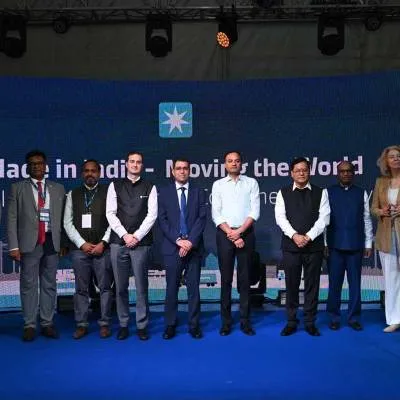
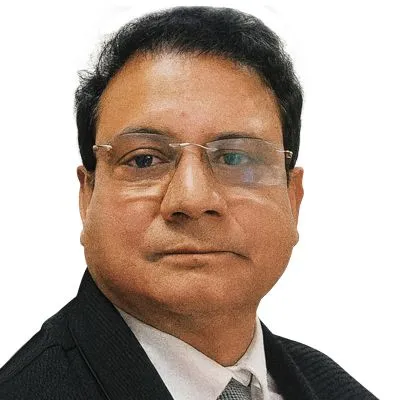
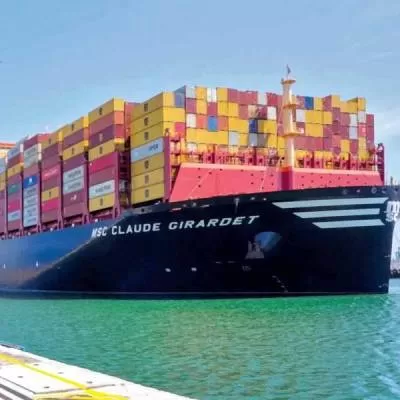
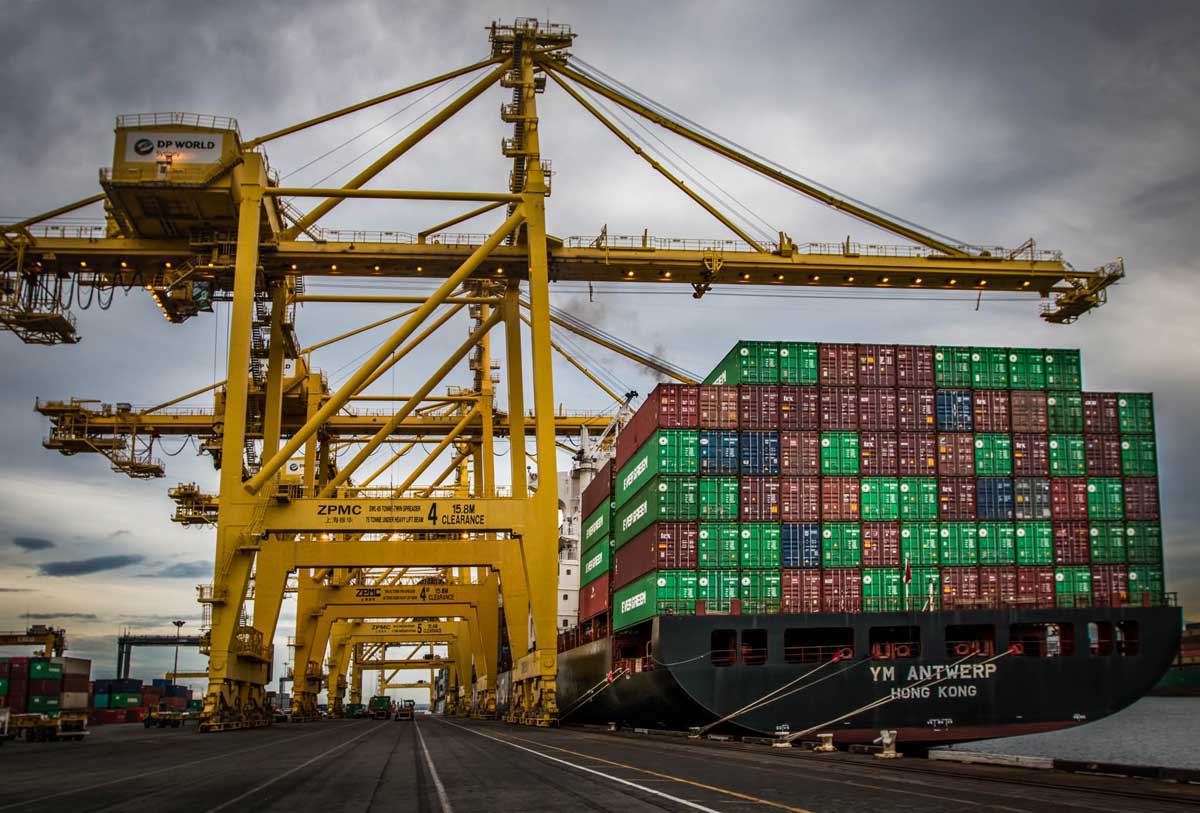
Vikash Agarwal, the Managing Director for South Asia at Maersk, a global shipping and logistics company, has indicated that international container rates are anticipated to stabilise in the near future. This follows a significant decline earlier this year after a steep drop. Agarwal attributed the challenges in global trade to weakening economies and inflationary pressures. However, he noted a concerted effort to enhance risk management by expanding supply chains.

Agarwal remarked, "The current market shows a subdued state due to reduced demand. Western economies are experiencing difficulties, and many customers are aiming to diversify their supply chains to mitigate risks."

He emphasised the post-Covid landscape as an opportunity for consumers to reconsider supply chains and future sourcing. He anticipated substantial adjustments in this regard, suggesting a shift in favour of countries like India, Vietnam, and African nations over time.

Agarwal explained that this transition would occur gradually, with its effects becoming evident over the next decade.

Regarding global container rates, Agarwal acknowledged a significant drop from the peak levels witnessed during the pandemic. He highlighted that the industry faced concerns during the first half of the current year.

Despite this, Agarwal expressed optimism about a revival in demand and a halt to further declines in container rates. He anticipated a trend of stability and slight rate improvements in the second half of the year, as restocking activities occur.

Vikash Agarwal, the Managing Director for South Asia at Maersk, a global shipping and logistics company, has indicated that international container rates are anticipated to stabilise in the near future. This follows a significant decline earlier this year after a steep drop. Agarwal attributed the challenges in global trade to weakening economies and inflationary pressures. However, he noted a concerted effort to enhance risk management by expanding supply chains.Agarwal remarked, The current market shows a subdued state due to reduced demand. Western economies are experiencing difficulties, and many customers are aiming to diversify their supply chains to mitigate risks.He emphasised the post-Covid landscape as an opportunity for consumers to reconsider supply chains and future sourcing. He anticipated substantial adjustments in this regard, suggesting a shift in favour of countries like India, Vietnam, and African nations over time.Agarwal explained that this transition would occur gradually, with its effects becoming evident over the next decade.Regarding global container rates, Agarwal acknowledged a significant drop from the peak levels witnessed during the pandemic. He highlighted that the industry faced concerns during the first half of the current year.Despite this, Agarwal expressed optimism about a revival in demand and a halt to further declines in container rates. He anticipated a trend of stability and slight rate improvements in the second half of the year, as restocking activities occur.

Next Story
Infrastructure Urban

TOTO Crosses 70 Million WASHLET Sales as India Fuels Growth

TOTO has announced that global shipments of its WASHLET range have surpassed 70 million units, marking a major milestone in the brand’s more than four decades of innovation in bathroom hygiene and wellness. Headquartered in Japan, the company supplies WASHLET products across residential and public restroom applications in over 100 countries, with rising demand across the Americas, Europe and Asia.The milestone reflects a global shift toward higher standards of hygiene, comfort and wellness. While overall demand continues to grow worldwide, India has emerged as one of TOTO’s fastest-growing..

Next Story
Infrastructure Urban

Hindustan Zinc, Silox India Boost Low-Carbon Manufacturing Push

Hindustan Zinc Limited and Silox India have strengthened their long-standing partnership with the adoption of Hindustan Zinc’s low-carbon zinc brand, EcoZen, across Silox India’s manufacturing operations. The move marks a key step in advancing low-carbon manufacturing practices and underlines the role of upstream material producers in enabling downstream decarbonisation across India’s industrial value chains.EcoZen is Asia’s first low-carbon zinc produced entirely using renewable energy and carries a verified carbon footprint of less than one tonne of CO₂ per tonne of zinc—around 7..

Next Story
Infrastructure Urban

JK Tyre Earns EcoVadis Silver, Ranks Among Global Sustainability Leaders

JK Tyre & Industries has secured a Silver Rating from EcoVadis, placing the company among the top-performing organisations globally on sustainability parameters. With this recognition, JK Tyre ranks in the 93rd percentile worldwide, positioning it within the top 7 per cent of companies assessed across industries for environmental, social and governance (ESG) practices.EcoVadis evaluates companies on four core pillars—Environment, Labour & Human Rights, Ethics, and Sustainable Procurement—offering a comprehensive assessment of sustainability performance. JK Tyre’s Silver rating re..

Advertisement

Subscribe to Our Newsletter

Get daily newsletters around different themes from Construction world.

STAY CONNECTED

Advertisement

Advertisement

Advertisement

Advertisement

Open In App