IPGL consider Gulf entities for equipment procurement for Chabahar Port
PORTS & SHIPPING

IPGL consider Gulf entities for equipment procurement for Chabahar Port

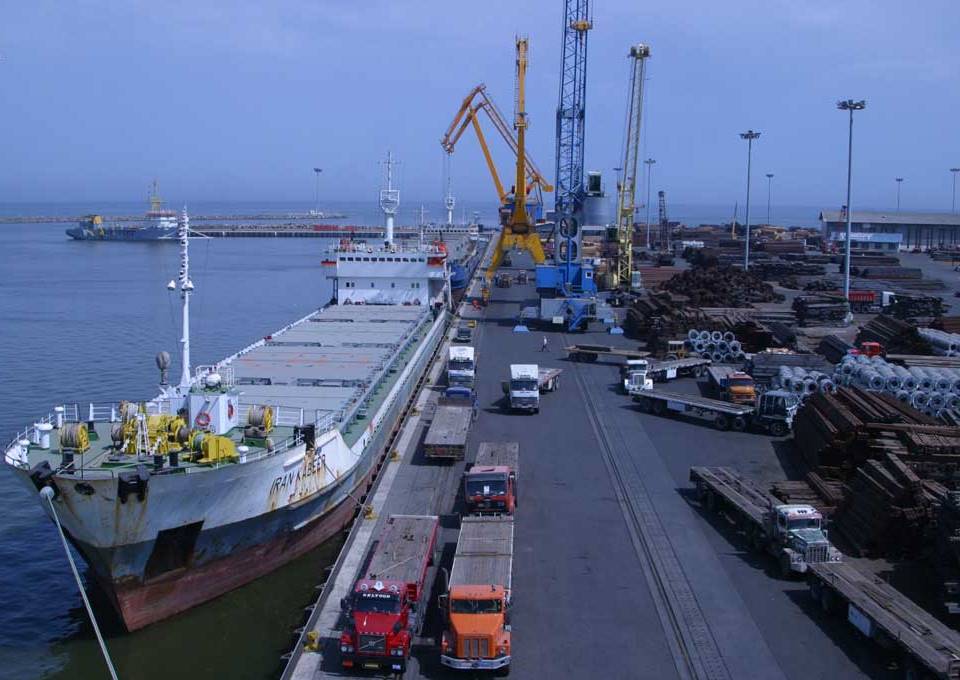
India Ports Global (IPGL) is exploring solutions to acquire cranes and container handling equipment for Chabahar Port in Iran. One option being considered involves a partnership with an entity based in Abu Dhabi, Dubai, or Sharjah, which would procure the equipment and facilitate their transfer to the India-funded port. This initiative stems from the challenges faced by IPGL in purchasing equipment, which has hindered the full-scale operation of Chabahar Port for six years.

Previously, IPGL had issued tenders for equipment procurement, but these efforts were unsuccessful due to non-participation by suppliers, despite multiple deadline extensions. To overcome this hurdle, IPGL is now exploring a new approach. An entity from Abu Dhabi, Dubai, or Sharjah will acquire the necessary equipment and have it delivered to their respective ports. From there, the equipment will be transported to Chabahar Port.

The difficulty in procuring equipment dates back to 2017 when suppliers refrained from bidding on contracts due to sanctions imposed on Iran by Western nations concerning its nuclear program. Although the United States issued a document exempting Chabahar Port from these sanctions, it lacked clarity, leading banks to reject it. Consequently, equipment manufacturers struggled to open letters of credit, essential for finalising the deals. Despite these challenges, India remains persistent in its efforts to facilitate the smooth operation of Chabahar Port.

India Ports Global (IPGL) is exploring solutions to acquire cranes and container handling equipment for Chabahar Port in Iran. One option being considered involves a partnership with an entity based in Abu Dhabi, Dubai, or Sharjah, which would procure the equipment and facilitate their transfer to the India-funded port. This initiative stems from the challenges faced by IPGL in purchasing equipment, which has hindered the full-scale operation of Chabahar Port for six years. Previously, IPGL had issued tenders for equipment procurement, but these efforts were unsuccessful due to non-participation by suppliers, despite multiple deadline extensions. To overcome this hurdle, IPGL is now exploring a new approach. An entity from Abu Dhabi, Dubai, or Sharjah will acquire the necessary equipment and have it delivered to their respective ports. From there, the equipment will be transported to Chabahar Port. The difficulty in procuring equipment dates back to 2017 when suppliers refrained from bidding on contracts due to sanctions imposed on Iran by Western nations concerning its nuclear program. Although the United States issued a document exempting Chabahar Port from these sanctions, it lacked clarity, leading banks to reject it. Consequently, equipment manufacturers struggled to open letters of credit, essential for finalising the deals. Despite these challenges, India remains persistent in its efforts to facilitate the smooth operation of Chabahar Port.

Next Story
Infrastructure Urban

Implementation Status of Jal Jeevan Mission

Since August 2019 the Government has implemented Jal Jeevan Mission to provide assured potable water through household tap connections in rural India. At the start of the mission only 32.3 million (mn) rural households, representing 16.7 per cent, were reported to have tap water connections. States and union territories have reported that 125.8 mn additional rural households have since been provided with tap connections. As a result, of about 193.6 mn rural households roughly 158.2 mn, or 81.71 per cent, are reported to have tap water supply at home.\n\nThe State, district and village level st..

Next Story
Infrastructure Urban

Jal Jeevan Mission Reaches Eighty One Per Cent Rural Coverage

The Government reported substantial progress under the Jal Jeevan Mission, launched in August 2019 to provide tap water to every rural household. At launch only 32.3 million (mn) rural households had tap connections and states and Union territories reported provision of 125.8 mn additional households by March 2026. Consequently, out of about 193.6 mn rural households around 158.2 mn, or 81.71 per cent, are reported to have tap water at home. The Finance Minister announced extension of the mission until 2028 in the 2025-26 budget speech. The Swachh Bharat Mission Grameen, launched in October 20..

Next Story
Infrastructure Urban

Empowering Local Governance for Sustainable Rural Water Supply

The Ministry of Jal Shakti has aligned the Jal Jeevan Mission (JJM) with the 73rd Amendment to strengthen village level planning and community ownership of water supply. Gram Panchayats, village water and sanitation committees and Pani Samitis are to plan, implement, manage and maintain piped water systems, with gram sabha processes formalising handover and oversight. Implementation support agencies including non government organisations, community based organisations and self help groups have been empanelled to train local committees and promote women participation. Under JJM, the department ..

Advertisement

Subscribe to Our Newsletter

Get daily newsletters around different themes from Construction world.

STAY CONNECTED

Advertisement

Advertisement

Advertisement