Chandigarh Waste Management Faces Dadumajra Data Gap
WATER & WASTE

Chandigarh Waste Management Faces Dadumajra Data Gap

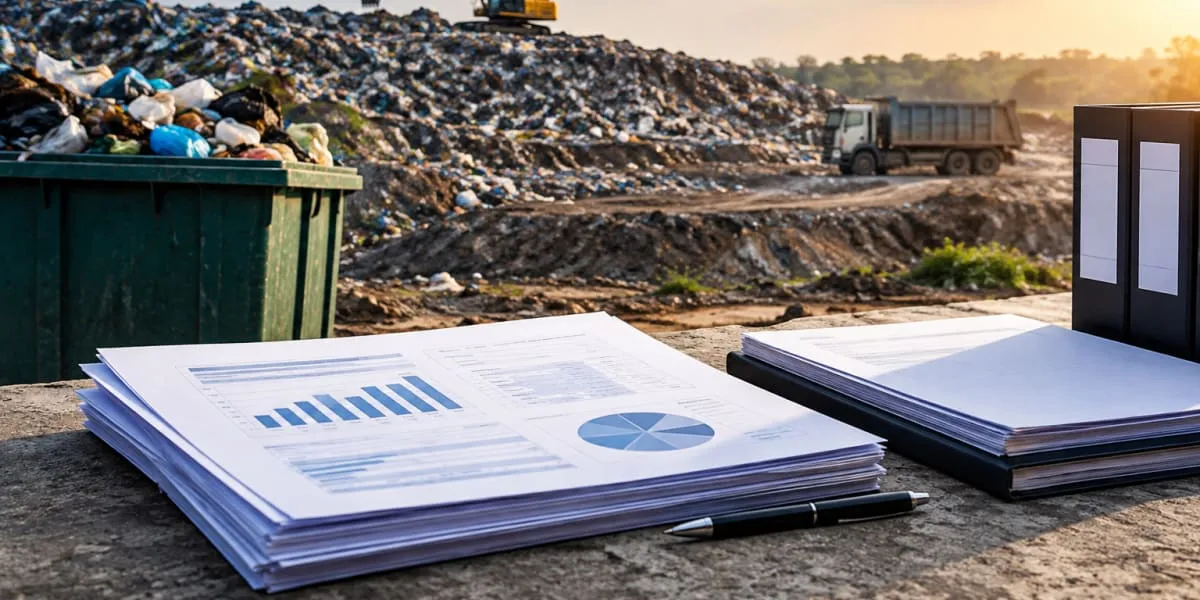
Contradictory affidavits filed by the Chandigarh municipal corporation have raised questions about whether the city can accurately account for the waste it generates, processes and sends for disposal. The immediate dispute concerns the corporation’s claim before the Punjab and Haryana High Court that legacy waste at the Dadumajra landfill had been completely bio-mined.

In July 2022, the corporation told the court that Chandigarh generated approximately 550 t of garbage daily, comprising 200 t of dry waste and 350 t of wet waste. In its latest affidavit, filed in 2026, it reported processing 110 t of dry waste and 200 t of wet waste each day, while sending 70 to 80 t of mixed waste to a segregation plant.

The latest filing does not state the city’s total daily generation or explain how those quantities relate to the earlier 550-t estimate. It is also unclear whether the mixed waste is included in the dry- and wet-waste figures or represents an additional stream. If the categories are separate, the reported quantities do not account for all the waste previously said to be generated; if they overlap, the affidavit does not clearly show how material moves through the system.

The uncertainty is compounded by capacity data indicating that the wet-waste plant is operating at less than half capacity and the dry-waste facility at just over half capacity. The available material does not provide installed capacity figures, so the exact unused capacity cannot be calculated. It does, however, show a mismatch between earlier generation estimates and current processing figures, with no clear explanation involving collection, segregation, transport, plant operations or record-keeping.

The corporation also stated in 2022 that 15 to 20 per cent of processed waste was sent to the dumping ground, but the latest material does not provide a revised percentage or current tonnage for residual waste. The court record therefore combines a categorical claim about the removal of legacy waste with unresolved figures on ongoing waste flows. A reconciled account should identify total generation, wet, dry and mixed streams, quantities entering each facility, recovered material and residual disposal. Until those records are presented, it remains unclear whether Chandigarh faces a data problem, a capacity problem, an operational problem or all three.

Contradictory affidavits filed by the Chandigarh municipal corporation have raised questions about whether the city can accurately account for the waste it generates, processes and sends for disposal. The immediate dispute concerns the corporation’s claim before the Punjab and Haryana High Court that legacy waste at the Dadumajra landfill had been completely bio-mined. In July 2022, the corporation told the court that Chandigarh generated approximately 550 t of garbage daily, comprising 200 t of dry waste and 350 t of wet waste. In its latest affidavit, filed in 2026, it reported processing 110 t of dry waste and 200 t of wet waste each day, while sending 70 to 80 t of mixed waste to a segregation plant. The latest filing does not state the city’s total daily generation or explain how those quantities relate to the earlier 550-t estimate. It is also unclear whether the mixed waste is included in the dry- and wet-waste figures or represents an additional stream. If the categories are separate, the reported quantities do not account for all the waste previously said to be generated; if they overlap, the affidavit does not clearly show how material moves through the system. The uncertainty is compounded by capacity data indicating that the wet-waste plant is operating at less than half capacity and the dry-waste facility at just over half capacity. The available material does not provide installed capacity figures, so the exact unused capacity cannot be calculated. It does, however, show a mismatch between earlier generation estimates and current processing figures, with no clear explanation involving collection, segregation, transport, plant operations or record-keeping. The corporation also stated in 2022 that 15 to 20 per cent of processed waste was sent to the dumping ground, but the latest material does not provide a revised percentage or current tonnage for residual waste. The court record therefore combines a categorical claim about the removal of legacy waste with unresolved figures on ongoing waste flows. A reconciled account should identify total generation, wet, dry and mixed streams, quantities entering each facility, recovered material and residual disposal. Until those records are presented, it remains unclear whether Chandigarh faces a data problem, a capacity problem, an operational problem or all three.

Related Stories

Gold Stories

Next Story
Resources

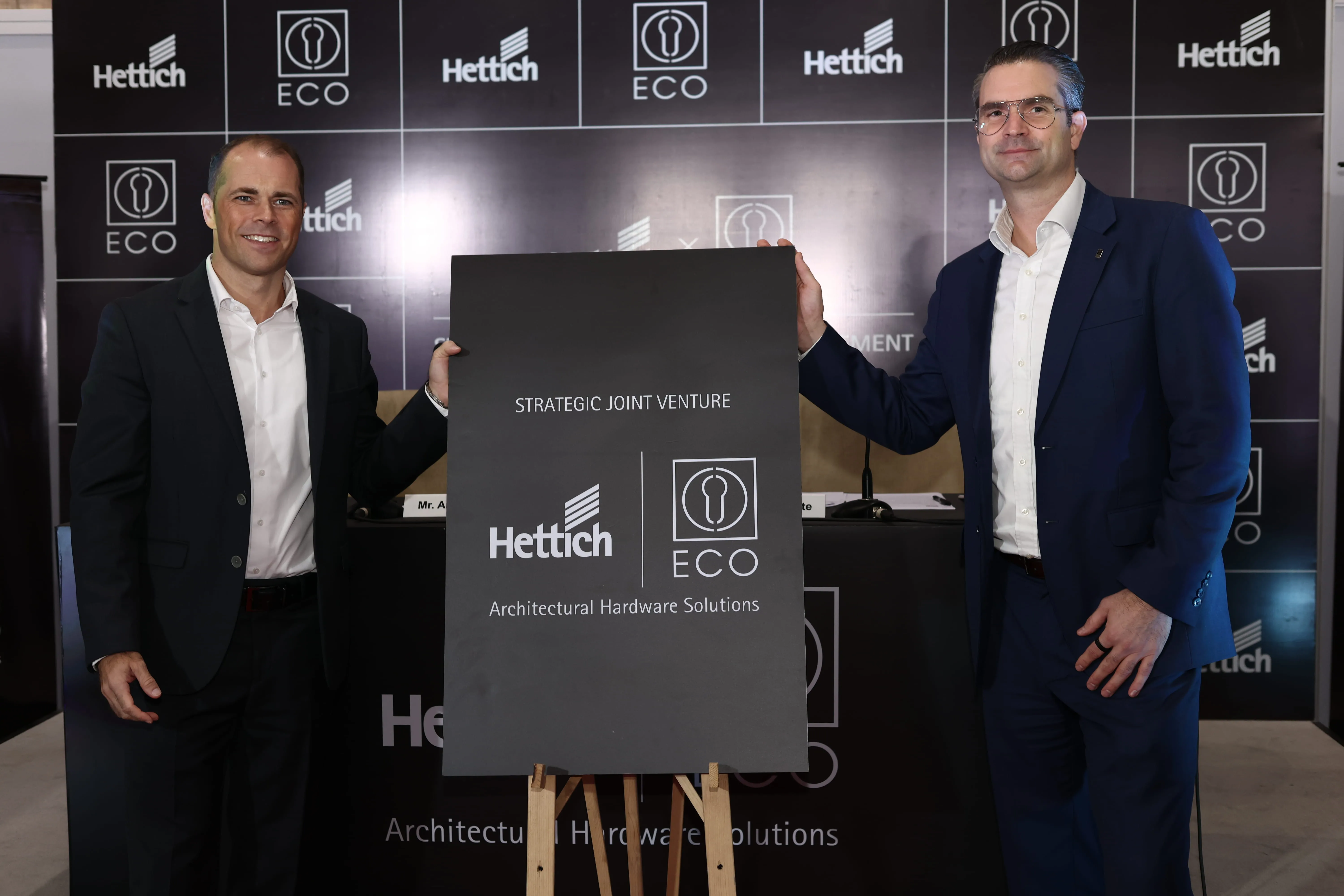
Hettich India And ECO Schulte Form Joint Venture In India

Hettich India and German company ECO Schulte have announced a strategic joint venture to strengthen their presence in India's architectural hardware market. The partnership was announced at ACETECH Mumbai on November 20, 2026, bringing together the two family-owned businesses with a combined engineering heritage of 238 years.The venture combines Hettich's expertise in furniture fittings and interior solutions with ECO Schulte's experience in architectural door hardware and engineered door systems. Its focus will span residential, commercial, institutional and infrastructure projects.Hettich, w..
Next Story
Real Estate

Address Maker sells over 200 Apollo Address plots in six weeks

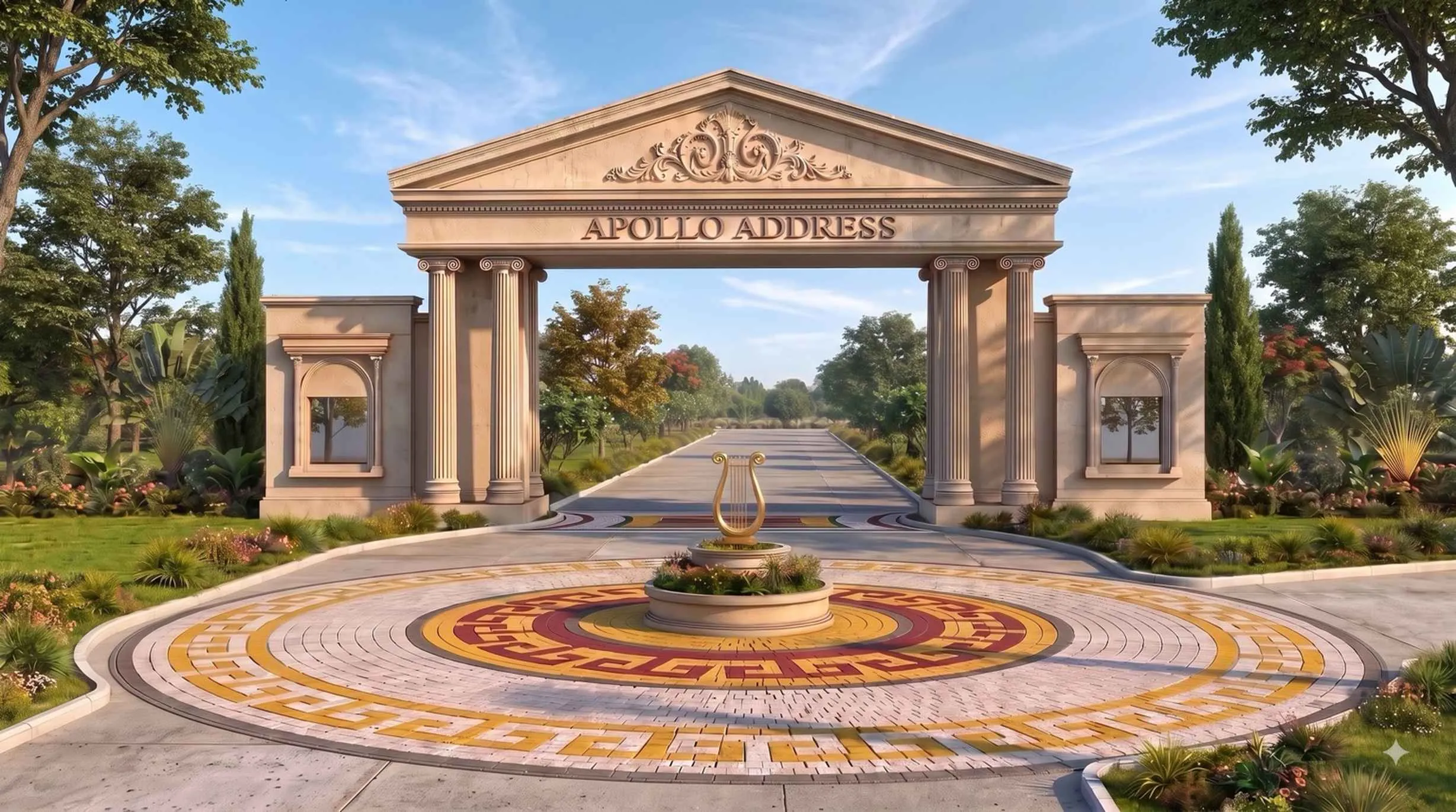
The Address Maker Group has sold more than two-thirds of the inventory at its Apollo Address villa-plot development in Nelamangala, North-West Bengaluru, within six weeks of its launch. With over 200 plots purchased and approximately 100 remaining, the project has recorded the fastest sales pace in the developer's history.Spread across 23 acres within a larger 90-acre township, Apollo Address offers villa plots ranging from 1,200 to 2,400 sq ft. Inspired by classical Greek architecture, the development features planned infrastructure, landscaped open spaces and residential amenities.Nearly 30 ..
Next Story
Equipment

Zoomlion strengthens equipment partnerships in Australia

Zoomlion Heavy Industry Science & Technology has reaffirmed its commitment to expanding operations in Australia, with Chairman and CEO Zhan Chunxin meeting customers and business partners in Sydney to strengthen long-term partnerships and discuss opportunities for closer collaboration.The meeting, held on 4 November 2026, focused on equipment quality, technical support, spare parts availability, local training and customer service improvements. Representatives from the tower crane, concrete machinery, earthmoving, aerial work platform, agricultural machinery and financial sectors participa..

Advertisement

Subscribe to Our Newsletter

Get daily newsletters around different themes from Construction world.

STAY CONNECTED

Advertisement

SPECIAL OFFER
QR Code