NWM Hosts Regional Meet To Boost Irrigation Water Efficiency
WATER & WASTE

NWM Hosts Regional Meet To Boost Irrigation Water Efficiency

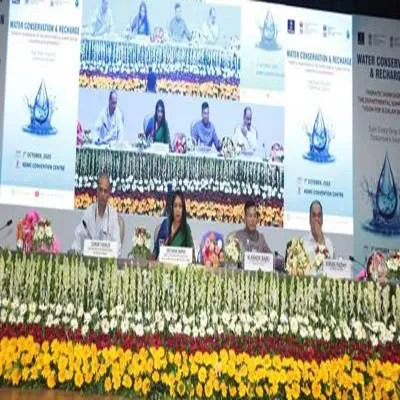
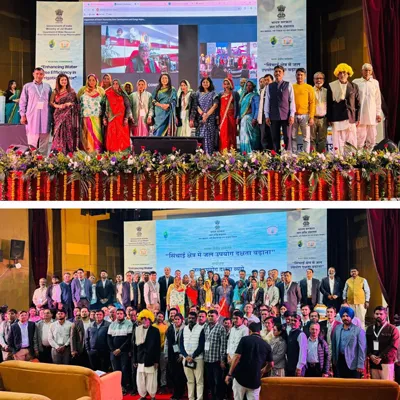
The Bureau of Water Use Efficiency (BWUE) under the National Water Mission (NWM), Ministry of Jal Shakti, held its first Regional Conference on Enhancing Water Use Efficiency in the Irrigation Sector at CCS NIAM, Jaipur. This marks the first of four regional conferences planned nationwide this year, underscoring a collective call to conserve every drop, empower farmers and secure India’s water future.

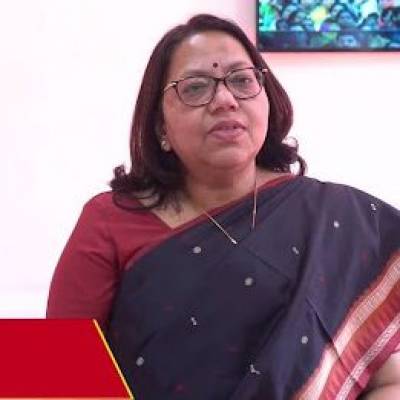
Senior dignitaries — Additional Secretary and Mission Director Archana Varma, Joint Secretary Sumant Narain and BWUE Director Piyush Ranjan — addressed the gathering.

Opening the conference, Narain highlighted the urgency of improving irrigation efficiency, noting that 80–85 per cent of India’s freshwater is used in agriculture. He stressed the importance of micro-irrigation, technology-led solutions and modern irrigation practices to increase productivity, minimise wastage and improve efficiency.

Varma outlined the features of the newly launched MCAD scheme, designed to enhance irrigation efficiency through pressurised pipe systems. She emphasised the rising water stress across the country and called for stronger conservation and efficient water-use measures, urging coordinated action between central and state governments.

Around 150 participants attended, including officials from central ministries and departments, irrigation and agriculture officers from Rajasthan, Himachal Pradesh, Uttarakhand, Punjab, Haryana, Karnataka, Jammu and Kashmir and Leh, along with agricultural scientists, NGOs and progressive farmers.

Technical sessions explored policy frameworks, technological interventions and best practices to boost irrigation water-use efficiency. Discussions covered the Pilot MCAD Scheme underway in Rajasthan, Himachal Pradesh, Punjab, Haryana and Jammu and Kashmir; micro-irrigation under Per Drop More Crop; and the use of automation and digital tools to optimise water use.

States presented successful models such as Haryana’s Mera Pani Meri Virasat and Sahi Fasal, micro-irrigation expansion in Rajasthan, ice stupas in Leh, Karnataka’s SCADA system, piped irrigation in Himachal Pradesh and lift irrigation in Uttarakhand. Farmers and NGOs shared their experiences and expectations, helping shape solutions tailored to on-ground needs.

The conference concluded with a strong call to accelerate technology adoption, enforce existing policy measures and scale best practices to improve irrigation efficiency across India.

The Bureau of Water Use Efficiency (BWUE) under the National Water Mission (NWM), Ministry of Jal Shakti, held its first Regional Conference on Enhancing Water Use Efficiency in the Irrigation Sector at CCS NIAM, Jaipur. This marks the first of four regional conferences planned nationwide this year, underscoring a collective call to conserve every drop, empower farmers and secure India’s water future. Senior dignitaries — Additional Secretary and Mission Director Archana Varma, Joint Secretary Sumant Narain and BWUE Director Piyush Ranjan — addressed the gathering. Opening the conference, Narain highlighted the urgency of improving irrigation efficiency, noting that 80–85 per cent of India’s freshwater is used in agriculture. He stressed the importance of micro-irrigation, technology-led solutions and modern irrigation practices to increase productivity, minimise wastage and improve efficiency. Varma outlined the features of the newly launched MCAD scheme, designed to enhance irrigation efficiency through pressurised pipe systems. She emphasised the rising water stress across the country and called for stronger conservation and efficient water-use measures, urging coordinated action between central and state governments. Around 150 participants attended, including officials from central ministries and departments, irrigation and agriculture officers from Rajasthan, Himachal Pradesh, Uttarakhand, Punjab, Haryana, Karnataka, Jammu and Kashmir and Leh, along with agricultural scientists, NGOs and progressive farmers. Technical sessions explored policy frameworks, technological interventions and best practices to boost irrigation water-use efficiency. Discussions covered the Pilot MCAD Scheme underway in Rajasthan, Himachal Pradesh, Punjab, Haryana and Jammu and Kashmir; micro-irrigation under Per Drop More Crop; and the use of automation and digital tools to optimise water use. States presented successful models such as Haryana’s Mera Pani Meri Virasat and Sahi Fasal, micro-irrigation expansion in Rajasthan, ice stupas in Leh, Karnataka’s SCADA system, piped irrigation in Himachal Pradesh and lift irrigation in Uttarakhand. Farmers and NGOs shared their experiences and expectations, helping shape solutions tailored to on-ground needs. The conference concluded with a strong call to accelerate technology adoption, enforce existing policy measures and scale best practices to improve irrigation efficiency across India.

Next Story
Equipment

Schwing Stetter India Unveils New Innovations at Excon 2025

Schwing Stetter India unveiled more than 20 new machines at Excon 2025, marking one of its most significant showcases and introducing several India-first technologies to the construction equipment sector. The company launched the country’s first 56-metre boom pump designed and manufactured in India, the first fully electric truck mixer, the first CNG mixer variant and the first hybrid boom pump. Executives said the launch portfolio was engineered to support India’s move toward faster, greener and more vertically oriented infrastructure through advanced engineering, clean-energy solutions a..

Next Story
Infrastructure Energy

SEPC Resolves Hindustan Copper Dispute, Wins Rs 725 Mn Order

Engineering, procurement and construction firm SEPC Ltd has recently settled a dispute with Hindustan Copper Ltd (HCL) and secured a mining infrastructure order valued at Rs 725 million from the state-owned company. SEPC informed the stock exchanges that it has executed a settlement deed with HCL, bringing closure to all inter-se claims and counterclaims arising from arbitration proceedings. As part of the settlement, SEPC will receive Rs 304.5 million as full and final payment, marking the resolution of all pending disputes between the two entities. The company also stated that Hindustan Co..

Next Story
Infrastructure Energy

20% Ethanol Blending Cuts India’s CO2 Emissions by 73.6 Mn Tonnes

Union Road Transport and Highways Minister Nitin Gadkari recently said that India has reduced carbon dioxide emissions by 73.6 million metric tonnes due to the adoption of 20 per cent ethanol blending in petrol. He made the statement while replying to supplementary questions during the Question Hour in the Lok Sabha. Describing ethanol as a green fuel, the minister said it plays a key role in reducing pollution while also supporting higher incomes for farmers. He underlined that ethanol blending contributes both to environmental sustainability and rural economic growth. Nitin Gadkari also po..

Advertisement

Subscribe to Our Newsletter

Get daily newsletters around different themes from Construction world.

STAY CONNECTED

Advertisement

Advertisement

Advertisement

Advertisement

Open In App