JK Lakshmi Cement to Expand EV Fleet to 120 Vehicles by March 2027
Cement

JK Lakshmi Cement to Expand EV Fleet to 120 Vehicles by March 2027

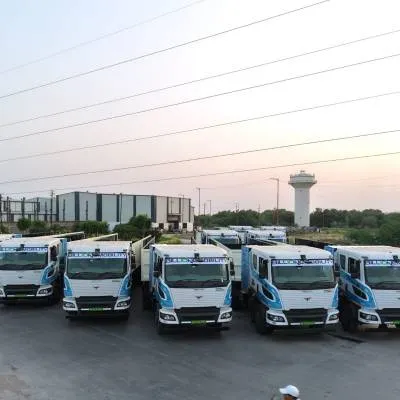
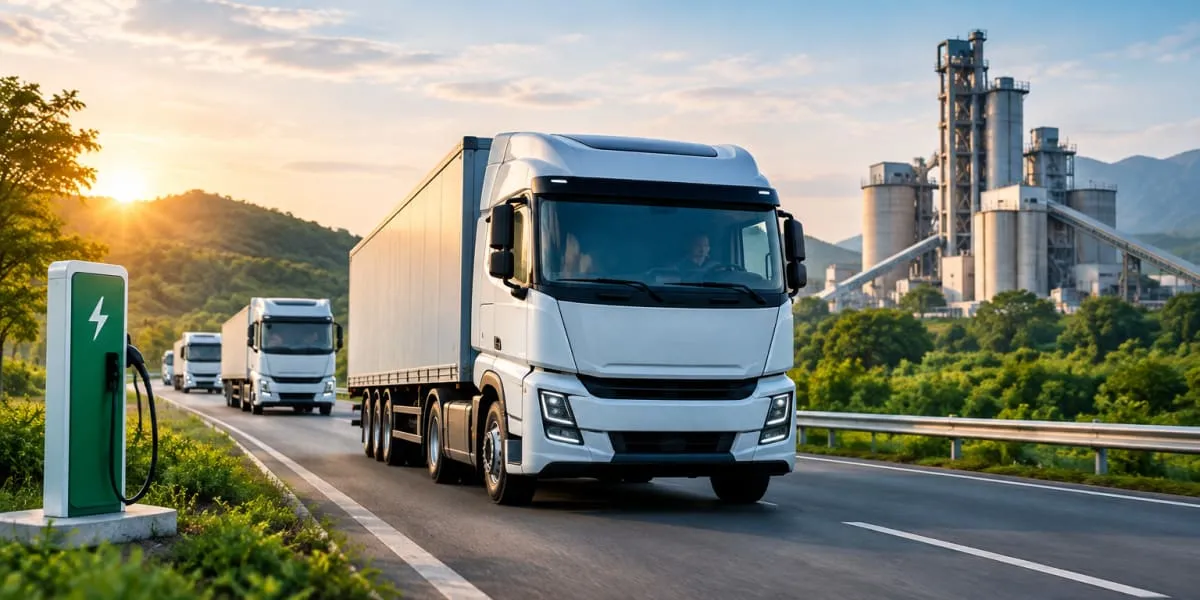
JK Lakshmi Cement has deployed more than 70 electric vehicles (EVs) across its logistics network and plans to increase the fleet to 120 vehicles by March 2027. The expansion is part of its decarbonisation strategy, which aims to reduce transport-related emissions and improve operational efficiency.

The company has achieved nearly 100 per cent EV-based clinker dispatches from its Sirohi plant in Rajasthan to the Kalol Grinding Unit in Gujarat. The transition marks an increased use of electric mobility for long-haul cement transportation and is intended to lower the environmental impact of logistics operations.

The existing fleet operates on routes connecting the Sirohi plant with the Kalol Grinding Unit, Palanpur Unit and Surat Grinding Unit. JK Lakshmi Cement is working with electric vehicle logistics providers SwitchLabs and Billion E to support fleet deployment and manage transportation requirements across these routes.

The company expects the planned expansion to increase the use of electric mobility throughout its logistics network for moving cement and clinker. Chairperson and Managing Director Vinita Singhania said the programme reflected the integration of sustainable practices with the company’s focus on long-term business efficiency, while describing the Sirohi–Kalol transition as an important step in its wider decarbonisation strategy.

The EV programme forms part of JK Lakshmi Cement’s green logistics and sustainability roadmap, alongside initiatives to improve efficiency and reduce emissions across its value chain. The company has set a long-term target of achieving net-zero emissions by 2047. It is part of the JK Organisation and operates integrated cement plants in Rajasthan and Chhattisgarh, along with grinding units in Gujarat, Haryana and Odisha. The company has an annual turnover of more than Rs. 60 bn, combined cement capacity of approximately 18 mn t per annum and a target to raise capacity to 30 mn t by 2030. Its portfolio includes ready-mix concrete, gypsum plaster, wall putty, primer, adhesives and fly ash blocks.

JK Lakshmi Cement has deployed more than 70 electric vehicles (EVs) across its logistics network and plans to increase the fleet to 120 vehicles by March 2027. The expansion is part of its decarbonisation strategy, which aims to reduce transport-related emissions and improve operational efficiency. The company has achieved nearly 100 per cent EV-based clinker dispatches from its Sirohi plant in Rajasthan to the Kalol Grinding Unit in Gujarat. The transition marks an increased use of electric mobility for long-haul cement transportation and is intended to lower the environmental impact of logistics operations. The existing fleet operates on routes connecting the Sirohi plant with the Kalol Grinding Unit, Palanpur Unit and Surat Grinding Unit. JK Lakshmi Cement is working with electric vehicle logistics providers SwitchLabs and Billion E to support fleet deployment and manage transportation requirements across these routes. The company expects the planned expansion to increase the use of electric mobility throughout its logistics network for moving cement and clinker. Chairperson and Managing Director Vinita Singhania said the programme reflected the integration of sustainable practices with the company’s focus on long-term business efficiency, while describing the Sirohi–Kalol transition as an important step in its wider decarbonisation strategy. The EV programme forms part of JK Lakshmi Cement’s green logistics and sustainability roadmap, alongside initiatives to improve efficiency and reduce emissions across its value chain. The company has set a long-term target of achieving net-zero emissions by 2047. It is part of the JK Organisation and operates integrated cement plants in Rajasthan and Chhattisgarh, along with grinding units in Gujarat, Haryana and Odisha. The company has an annual turnover of more than Rs. 60 bn, combined cement capacity of approximately 18 mn t per annum and a target to raise capacity to 30 mn t by 2030. Its portfolio includes ready-mix concrete, gypsum plaster, wall putty, primer, adhesives and fly ash blocks.

Related Stories

Gold Stories

Next Story
Building Material

PureSil Paints Develops Mineral Coatings from Industrial Waste

PureSil Paints, a brand of Relic Coatings LLP, has developed an indigenous mineral-based coating technology aimed at reducing dependence on petrochemical-derived raw materials in the paints and coatings industry. Its proprietary Silicification Technology uses agricultural and industrial by-products to manufacture architectural coatings as an alternative to conventional acrylic paints.Developed in-house by Dr Nikhil Dhote, Founder and Chief Technologist, Relic Coatings LLP, the technology uses silicate binders derived from upcycled rice husk ash and industrial coal fly ash. The formulation is d..
Next Story
Infrastructure Energy

Vedanta Eyes AI to Accelerate Mineral Exploration

Vedanta Group is exploring the use of artificial intelligence (AI) to significantly improve efficiency in mineral exploration, geological analysis and resource modelling. The company aims to reduce exploration processes that traditionally take three to four months to just six to seven days through AI-driven technologies.The proposed approach involves AI-led geological analysis and mineral block modelling to accelerate mineral resource assessment and support faster, more cost-efficient development of domestic mineral reserves. The initiative aligns with India's growing focus on critical mineral..
Next Story
Technology

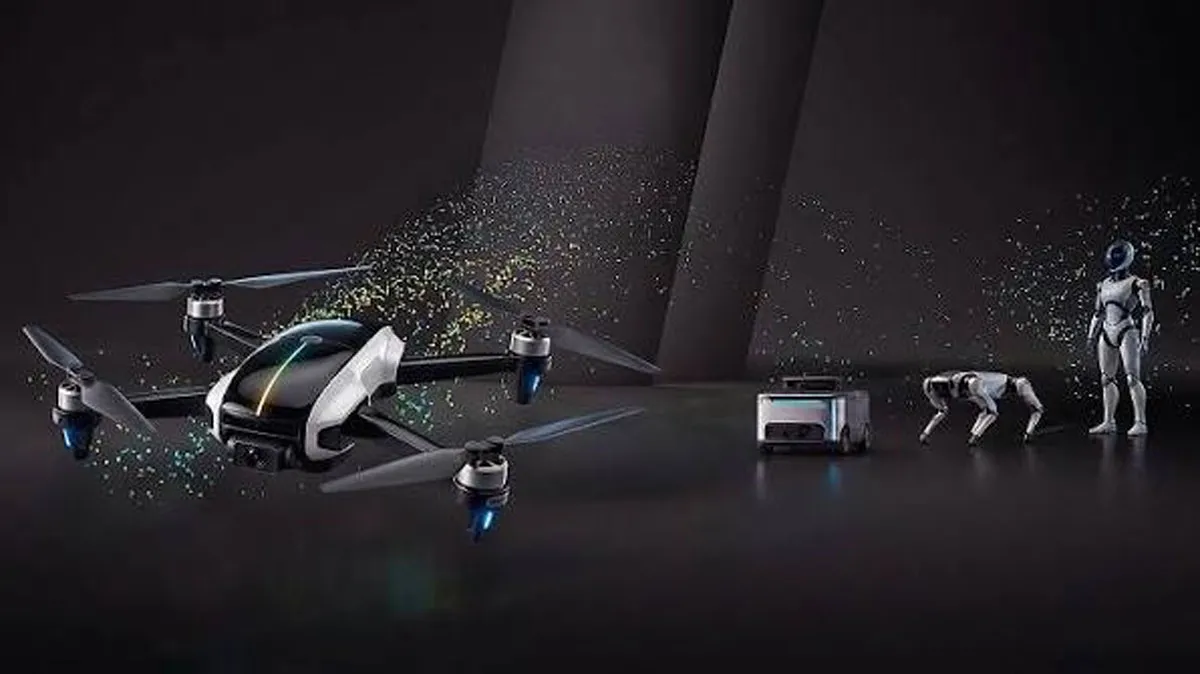
NXP Launches Unified Robotics Platform for Physical AI

NXP Semiconductors has launched a unified robotics platform designed to accelerate the development and deployment of trusted physical artificial intelligence (AI) systems. Built on the company's neural axis architecture, the platform integrates AI processing, connectivity, motor control, security and energy management within a common hardware and software ecosystem.The platform combines an open-source, modular software development kit (SDK) with pre-validated reference designs, enabling developers to build robotic systems more efficiently. It supports development ranging from individual subsys..

Advertisement

Subscribe to Our Newsletter

Get daily newsletters around different themes from Construction world.

STAY CONNECTED

Advertisement

SPECIAL OFFER
QR Code