Copper Crunch May Push Prices Higher as New Mines Take 16 Years
COAL & MINING

Copper Crunch May Push Prices Higher as New Mines Take 16 Years

Global copper supply faces a long-term structural constraint as declining discoveries, falling ore grades and rising development costs make new mines increasingly difficult to build, according to a report by Goldman Sachs Research. The report said existing producers and projects capable of adding future supply could attract greater value as the market adjusts to tighter availability.

The median copper mine now takes more than 16 years from discovery to first production. Output from existing mines is expected to begin declining from 2030, while higher prices alone may not deliver significant additional supply within a typical investment horizon. Goldman Sachs said the adjustment would therefore have to come mainly through prices and the valuation of established producers and difficult-to-replicate growth assets.

Major copper discoveries have declined since the 1990s, while ore grades have fallen, particularly in South America. New projects are also increasingly located in remote areas, raising construction, operating and capital costs. These factors are making mine development more expensive and extending the period between investment decisions and production.

The report estimated that average capital intensity rises by around 50 per cent between the pre-feasibility stage and the start of production, increasing from USD 10,600 per t to USD 15,900 per t. Its estimated capital costs for the projects covered were 25 to 90 per cent above company studies, indicating a significant risk of further increases during development.

Goldman Sachs assessed a group of copper growth projects that could collectively add around USD 20 bn in net asset value and approximately 1 mn t of additional annual production by late 2035. Its risk-adjusted valuation framework accounted for development stage, cost increases, delays and the conversion of resources into reserves, with earlier-stage projects receiving larger discounts. The report said the timing and scale of new output would depend on execution, investment decisions and the ability to manage rising development costs.

Global copper supply faces a long-term structural constraint as declining discoveries, falling ore grades and rising development costs make new mines increasingly difficult to build, according to a report by Goldman Sachs Research. The report said existing producers and projects capable of adding future supply could attract greater value as the market adjusts to tighter availability. The median copper mine now takes more than 16 years from discovery to first production. Output from existing mines is expected to begin declining from 2030, while higher prices alone may not deliver significant additional supply within a typical investment horizon. Goldman Sachs said the adjustment would therefore have to come mainly through prices and the valuation of established producers and difficult-to-replicate growth assets. Major copper discoveries have declined since the 1990s, while ore grades have fallen, particularly in South America. New projects are also increasingly located in remote areas, raising construction, operating and capital costs. These factors are making mine development more expensive and extending the period between investment decisions and production. The report estimated that average capital intensity rises by around 50 per cent between the pre-feasibility stage and the start of production, increasing from USD 10,600 per t to USD 15,900 per t. Its estimated capital costs for the projects covered were 25 to 90 per cent above company studies, indicating a significant risk of further increases during development. Goldman Sachs assessed a group of copper growth projects that could collectively add around USD 20 bn in net asset value and approximately 1 mn t of additional annual production by late 2035. Its risk-adjusted valuation framework accounted for development stage, cost increases, delays and the conversion of resources into reserves, with earlier-stage projects receiving larger discounts. The report said the timing and scale of new output would depend on execution, investment decisions and the ability to manage rising development costs.

Related Stories

Gold Stories

Next Story
Infrastructure Urban

Welspun One unveils Diwali campaign for World Trade Center Thane

Welspun One has unveiled A Dream Diwali, a festive brand film promoting World Trade Center Thane, its proposed mixed-use development in the Mumbai Metropolitan Region (MMR). The campaign uses individual interpretations of an ideal Diwali to introduce the experiences and offerings planned at the development.The film follows different characters as they share their festive wishes and go about activities such as shopping, meeting friends, playing games and spending time with family. Through these everyday moments, the campaign presents the idea that celebrations are personal and that different ge..
Next Story
Equipment

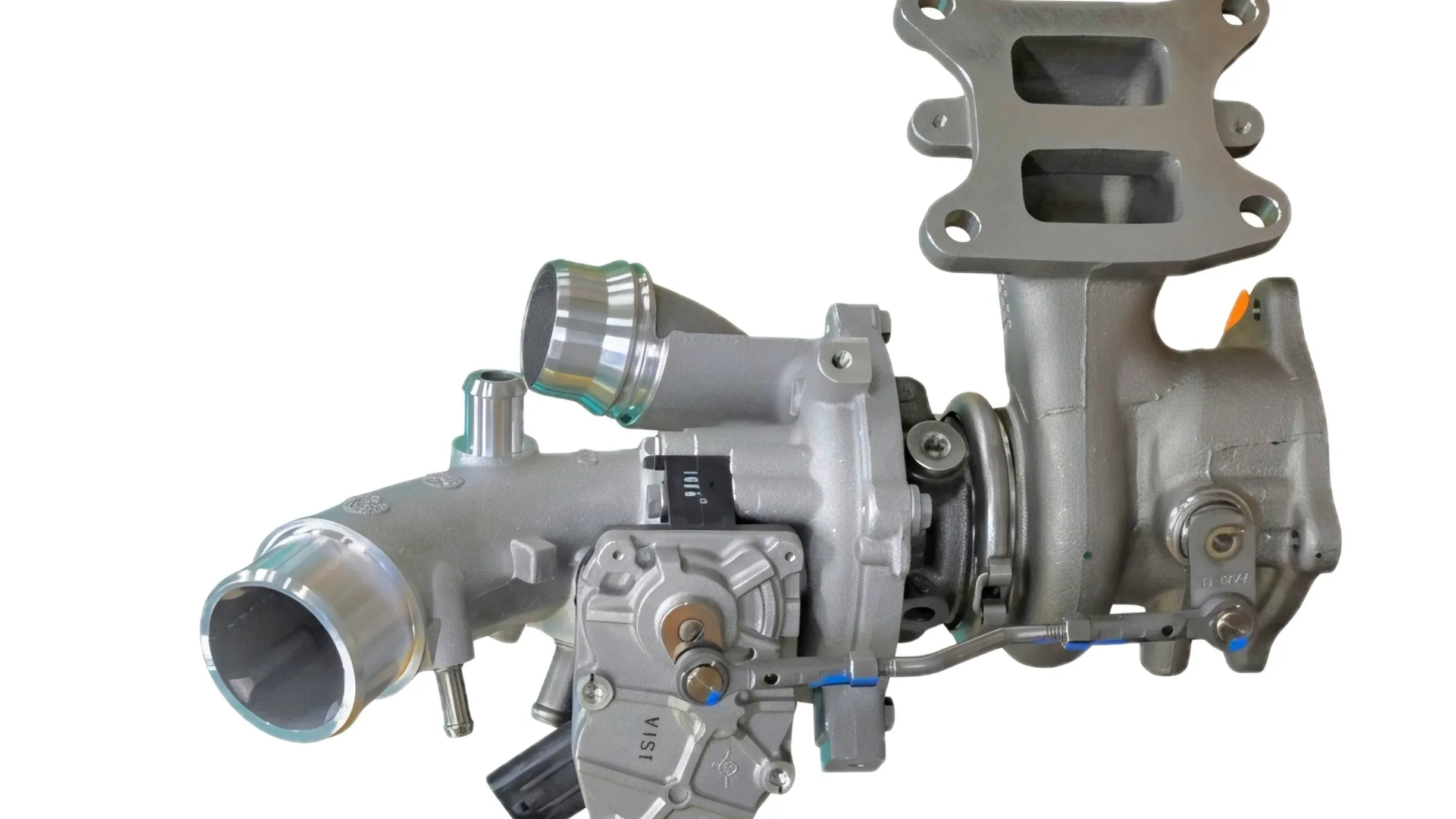
BorgWarner secures three turbocharger contracts with global powertrain leader

BorgWarner has secured three new turbocharger contracts with a global powertrain technology company. The wins comprise one contract for its variable turbine geometry (VTG) turbocharger and two for its wastegate turbocharger. The technologies will be deployed in the customer's light-vehicle gasoline platforms in South America and Europe, with production scheduled to begin in 2027.The VTG turbochargers are designed for gasoline engines operating under demanding conditions and high-boost pressure requirements. They are engineered to support Miller-cycle engines and withstand exhaust temperatures ..

Next Story
Infrastructure Transport

International Digi Yatra Trials Begin at Seven Airports

India has begun trials of Digi Yatra for international passengers at seven airports, allowing eligible Indian passport holders to use facial recognition at selected airport checkpoints. The facility is currently limited to Indian nationals with e-passports travelling on selected international flights operated by Air India and IndiGo. The Civil Aviation Ministry announced the trials on 1 November, with testing scheduled through December 2026. A wider rollout is expected in 2027 after the ministry assesses passenger feedback gathered during the trial period, according to PTI. The system is inten..

Advertisement

Subscribe to Our Newsletter

Get daily newsletters around different themes from Construction world.

STAY CONNECTED

Advertisement

SPECIAL OFFER
QR Code