Kutch Copper Plans 115 MW Renewable Energy Integration
POWER & RENEWABLE ENERGY

Kutch Copper Plans 115 MW Renewable Energy Integration

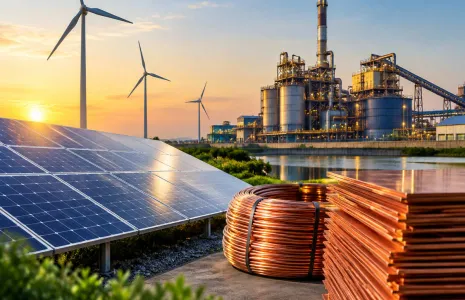
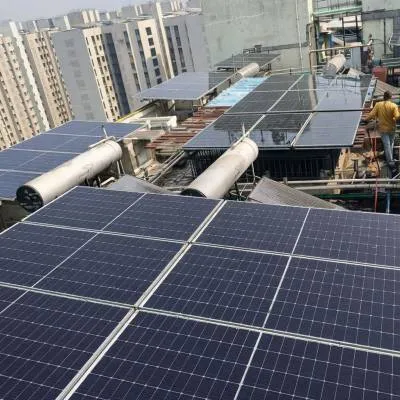
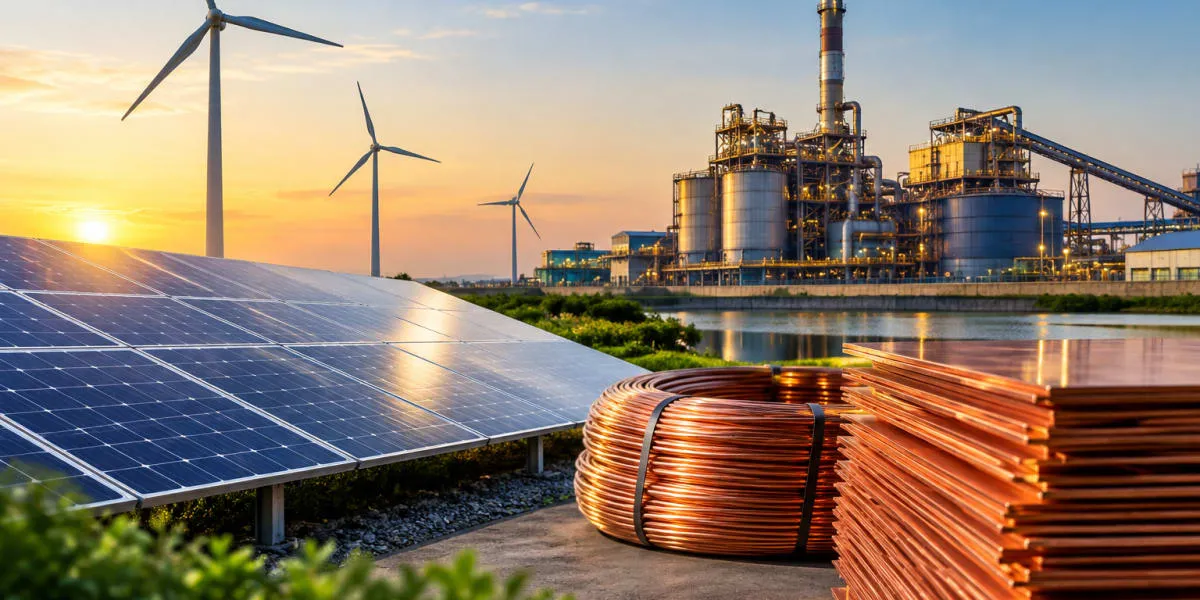
Kutch Copper, a subsidiary of Adani Enterprises, plans to integrate 115 MW of renewable energy into its copper refinery operations at Mundra in Gujarat. The initiative was outlined in the company’s maiden sustainability report for financial year 2025–26 and is intended to reduce operational carbon emissions, conserve water and improve resource efficiency.

The company currently operates a copper smelter with a capacity of 500,000 t per annum. It plans to expand this to 1 mn t per annum, making it a planned single-location custom smelter of global scale. The Adani Group has committed $1.2 bn to the project, with renewable-energy supply forming part of its broader environmental, social and governance strategy.

Copper smelting uses heat and chemical processes to extract copper from ore or concentrates. The metal is widely used in electrical wiring, power transmission, electric vehicles and renewable-energy equipment because of its electrical conductivity. The planned capacity expansion is therefore aligned with rising demand linked to electrification and clean-energy infrastructure.

Kutch Copper reports that its operations use nearly 100 per cent desalinated water and follow a zero-liquid-discharge approach. Desalination converts seawater or brackish water into freshwater, while zero-liquid-discharge systems treat wastewater for recovery and reuse, avoiding liquid effluent discharge. The company also reports treating 99.8 per cent of its sulphur emissions before release.

Copper production and environmental management are part of the industrial context for India’s energy transition. India announced its target of achieving net-zero emissions by 2070 at the 2021 United Nations Climate Change Conference, known as COP26. Copper’s chemical symbol is Cu and its atomic number is 29; it is a non-ferrous metal and a good conductor of electricity.

Kutch Copper, a subsidiary of Adani Enterprises, plans to integrate 115 MW of renewable energy into its copper refinery operations at Mundra in Gujarat. The initiative was outlined in the company’s maiden sustainability report for financial year 2025–26 and is intended to reduce operational carbon emissions, conserve water and improve resource efficiency. The company currently operates a copper smelter with a capacity of 500,000 t per annum. It plans to expand this to 1 mn t per annum, making it a planned single-location custom smelter of global scale. The Adani Group has committed $1.2 bn to the project, with renewable-energy supply forming part of its broader environmental, social and governance strategy. Copper smelting uses heat and chemical processes to extract copper from ore or concentrates. The metal is widely used in electrical wiring, power transmission, electric vehicles and renewable-energy equipment because of its electrical conductivity. The planned capacity expansion is therefore aligned with rising demand linked to electrification and clean-energy infrastructure. Kutch Copper reports that its operations use nearly 100 per cent desalinated water and follow a zero-liquid-discharge approach. Desalination converts seawater or brackish water into freshwater, while zero-liquid-discharge systems treat wastewater for recovery and reuse, avoiding liquid effluent discharge. The company also reports treating 99.8 per cent of its sulphur emissions before release. Copper production and environmental management are part of the industrial context for India’s energy transition. India announced its target of achieving net-zero emissions by 2070 at the 2021 United Nations Climate Change Conference, known as COP26. Copper’s chemical symbol is Cu and its atomic number is 29; it is a non-ferrous metal and a good conductor of electricity.

Related Stories

Gold Stories

Next Story
Products

Antica Ceramica launches terracotta breeze block collection

Antica Ceramica has introduced its Terracotta Breeze Block Collection, combining terracotta craftsmanship with functional applications in contemporary architecture. The collection is designed for architects, interior designers and homeowners seeking decorative architectural elements that provide natural ventilation, filtered light and privacy.Traditionally used for ventilated partitions and enclosures, terracotta breeze blocks are increasingly being incorporated into residential and commercial spaces as design features. Antica Ceramica's collection can be used across facades, balcony enclosure..

Next Story
Infrastructure Urban

Shivtek Enters Electronic-Grade Speciality Chemicals Market

Shivtek Spechemi Industries, a flagship company of the Shiva Group of Industries, recently announced its entry into India’s semiconductor manufacturing value chain through the production of electronic-grade speciality chemicals.The company plans to establish a manufacturing facility in Pungam, Gujarat, with a proposed annual production capacity of 50,000 tonnes of electronic-grade hydrochloric acid (HCl), 6,000 tonnes of isopropyl alcohol (IPA) under Phase I, and 5,000 tonnes of hydrogen peroxide (H2O2).Commercial production of electronic-grade hydrochloric acid is expected to commence in FY..
Next Story
Infrastructure Urban

SFC Environmental Reports 80.5% Revenue Growth in H1 FY27

SFC Environmental Technologies recently announced its first financial results as a listed company for the quarter and half year ended September 30, 2026. The company reported an 80.5 per cent year-on-year (YoY) increase in revenue from operations to Rs 2.97 billion in H1 FY27.EBITDA increased by 86.9 per cent YoY to Rs 200.5 million, with an EBITDA margin of 6.8 per cent. Profit after tax (PAT) rose to Rs 35.8 million from Rs 0.4 million in H1 FY26. The company’s order book stood at Rs 16.56 billion, approximately 2.1 times its FY26 revenue.The wastewater treatment segment recorded a 77.6 pe..

Subscribe to Our Newsletter

Get daily newsletters around different themes from Construction world.

STAY CONNECTED

Advertisement

SPECIAL OFFER
QR Code