




+
UCIL to Commission Health Impact Study in Jharkhand
COAL & MINING

UCIL to Commission Health Impact Study in Jharkhand

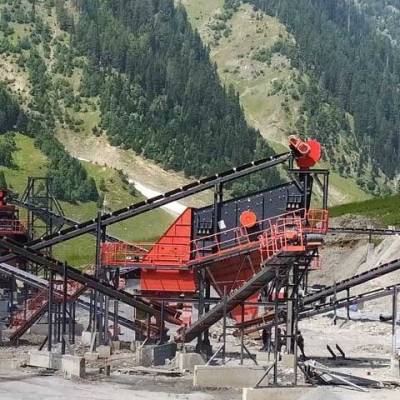
Uranium Corporation of India (UCIL) plans to commission a comprehensive study in 2027 to assess the health impact of uranium mining on communities living near its operations in Jharkhand. The assessment is intended to address longstanding concerns and claims linking mining activities with radiation-related health risks.

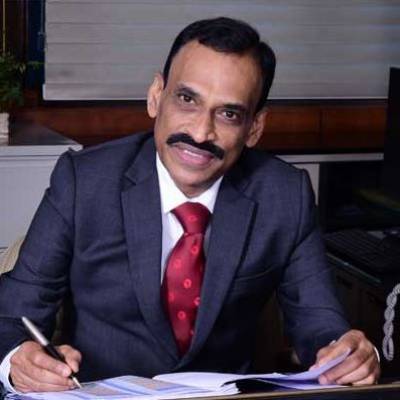
UCIL is in discussions with institutions including Tata Memorial Cancer Hospital, Tata Institute of Social Sciences (TISS) and Indian Institutes of Technology (IITs) to undertake the study. The institutions have expertise in radiation, public health and related scientific fields, according to K Ananda Rao, chairman and managing director of UCIL.

Rao said concerns that communities near the mines were experiencing cancer or skin diseases because of mining would be examined through the assessment. He referred to an earlier TISS study and other scientific research, which, he said, had not established a connection between uranium mining and disease among local communities.

UCIL currently operates eight uranium mines in India. Seven are located in Jharkhand’s East Singhbhum district, while the eighth is in Andhra Pradesh. The company aims to double uranium production by 2036, although it has not disclosed current or targeted production figures, citing strategic constraints.

India currently generates 8.78 GW of electricity using uranium, including 2.4 GW from domestically produced uranium. UCIL expects the planned greenfield mine at Rohil in Rajasthan, copper-waste recycling for uranium extraction at Mosabani in Jharkhand and expansions at existing mines to support production growth.

The company is marking 60 years since its establishment and has launched a new logo. Rao also said India had reached the criticality stage of a prototype fast breeder reactor using thorium, which is more abundant domestically. The development is expected to support the second phase of India’s nuclear programme and reduce dependence on scarce uranium resources, with the long-term goal of reducing uranium requirements for energy generation.

Uranium Corporation of India (UCIL) plans to commission a comprehensive study in 2027 to assess the health impact of uranium mining on communities living near its operations in Jharkhand. The assessment is intended to address longstanding concerns and claims linking mining activities with radiation-related health risks. UCIL is in discussions with institutions including Tata Memorial Cancer Hospital, Tata Institute of Social Sciences (TISS) and Indian Institutes of Technology (IITs) to undertake the study. The institutions have expertise in radiation, public health and related scientific fields, according to K Ananda Rao, chairman and managing director of UCIL. Rao said concerns that communities near the mines were experiencing cancer or skin diseases because of mining would be examined through the assessment. He referred to an earlier TISS study and other scientific research, which, he said, had not established a connection between uranium mining and disease among local communities. UCIL currently operates eight uranium mines in India. Seven are located in Jharkhand’s East Singhbhum district, while the eighth is in Andhra Pradesh. The company aims to double uranium production by 2036, although it has not disclosed current or targeted production figures, citing strategic constraints. India currently generates 8.78 GW of electricity using uranium, including 2.4 GW from domestically produced uranium. UCIL expects the planned greenfield mine at Rohil in Rajasthan, copper-waste recycling for uranium extraction at Mosabani in Jharkhand and expansions at existing mines to support production growth. The company is marking 60 years since its establishment and has launched a new logo. Rao also said India had reached the criticality stage of a prototype fast breeder reactor using thorium, which is more abundant domestically. The development is expected to support the second phase of India’s nuclear programme and reduce dependence on scarce uranium resources, with the long-term goal of reducing uranium requirements for energy generation.

Related Stories

Gold Stories
Next Story
Infrastructure Transport

Madhya Pradesh Plans Airport Every 150 Km, Airstrip Every 75 Km

The Madhya Pradesh government plans to establish an airport every 150 km, an airstrip every 75 km and a helipad every 45 km, according to the state aviation department. Airports being developed in Ujjain and Shivpuri are expected to take the state’s airport count to 10. The government stated that Madhya Pradesh currently has eight airports in eight cities. The locations named by the department include Indore, Bhopal, Jabalpur, Gwalior, Khajuraho, Rewa and Satna. The state also has more than 20 airstrips and 220 helipads, while permanent helipads are planned in all 230 Assembly constituencies..

Next Story
Infrastructure Transport

West Bengal Plans Four Airports for 2028 Completion Under UDAN

West Bengal will develop four new airports under an agreement signed between the Union Civil Aviation Ministry and the state government, with all facilities targeted for completion by 2028. Union Civil Aviation Minister K Rammohan Naidu said the airports would be located at Charra in Purulia, Kalaikunda in Paschim Medinipur, Balurghat in Dakshin Dinajpur and Hasimara in Alipurduar. The project is part of the Centre’s regional connectivity UDAN programme. The Union government has committed Rs. 290 bn for West Bengal’s aviation sector over the next decade, while the state government will pro..

Next Story
Infrastructure Transport

Mumbai Airport Bars Russian Airlines as Agent Seeks Ministry Intervention

Mumbai airport has stopped accepting cargo booked on Russian flag carrier Aeroflot, disrupting shipments and prompting the airline’s cargo sales agent, Delmos Aviation, to seek intervention from the Ministry of Civil Aviation. The restrictions also affect cargo booked on Volga-Dnepr Airlines, according to a letter submitted by Delmos Aviation to the ministry on September 30. Aeroflot operates daily flights between Moscow and Delhi and runs a winter seasonal service to Goa. Bonded cargo from Mumbai and other cities is transported by road to Delhi before being flown to Russia. The agent said t..

Advertisement

Subscribe to Our Newsletter

Get daily newsletters around different themes from Construction world.

STAY CONNECTED

Advertisement

SPECIAL OFFER
QR Code