Women’s Participation In Jharkhand Mines Rises Sharply Since 2019
COAL & MINING

Women’s Participation In Jharkhand Mines Rises Sharply Since 2019

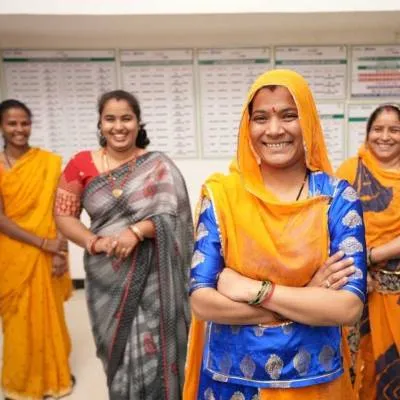
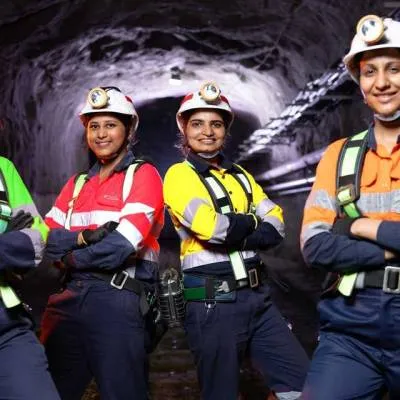
Women’s participation in Jharkhand’s mining sector has risen significantly across both opencast and underground mines since 2019, according to Ujjawal Tah, Director General of Mines Safety (DGMS).

Speaking at a conclave titled “Women in Mining: Transforming Today, Redefining Tomorrow”, organised by Tata Steel Noamundi under the aegis of the DGMS, Tah said that the number of women working in opencast mines has grown from 64 in 2020 to 442, while those employed in underground mines have increased from 20 to 178.

He noted that the DGMS amended Section 46 of the Mines Act, 1952, in January 2019, removing several restrictions on the employment of women in mining operations. This legislative change, he said, has enabled greater gender diversity across the sector.

Tah added that the conclave aims to highlight progress made by leading mining organisations in enhancing gender inclusion. Feedback from such engagements will be considered for future policy decisions, he said.

The DGMS will also issue comprehensive safety guidelines for women in mining. “Necessary amenities and facilities are being provided. No woman works alone inside a mine, and separate washrooms and restrooms are being ensured,” he stated. Tah said similar conclaves will be held periodically to better understand women miners’ needs and experiences.

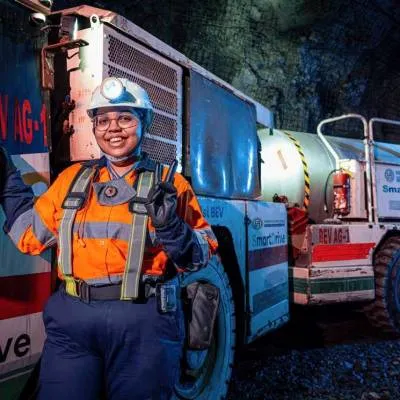
During the event, Bandi Gayatri, Senior Manager of Operations at an underground coal mine in the Jharia Division, shared her journey. She joined Tata Steel as a Graduate Trainee Manager in 2022, and in 2023 the company made a landmark decision to deploy women in underground coal mines for the first time.

“Initially, three of us volunteered and were posted to underground mines. Now, more women are joining, and the numbers are steadily increasing,” she said. She described underground mining as challenging due to issues such as poor ventilation and roof instability, but emphasised that trained personnel are deployed to handle these risks.

Gayatri said the working environment is safe, well supported with amenities, and respectful. “Everyone is focused only on their work, and we are treated as equals,” she noted.

Women’s participation in Jharkhand’s mining sector has risen significantly across both opencast and underground mines since 2019, according to Ujjawal Tah, Director General of Mines Safety (DGMS). Speaking at a conclave titled “Women in Mining: Transforming Today, Redefining Tomorrow”, organised by Tata Steel Noamundi under the aegis of the DGMS, Tah said that the number of women working in opencast mines has grown from 64 in 2020 to 442, while those employed in underground mines have increased from 20 to 178. He noted that the DGMS amended Section 46 of the Mines Act, 1952, in January 2019, removing several restrictions on the employment of women in mining operations. This legislative change, he said, has enabled greater gender diversity across the sector. Tah added that the conclave aims to highlight progress made by leading mining organisations in enhancing gender inclusion. Feedback from such engagements will be considered for future policy decisions, he said. The DGMS will also issue comprehensive safety guidelines for women in mining. “Necessary amenities and facilities are being provided. No woman works alone inside a mine, and separate washrooms and restrooms are being ensured,” he stated. Tah said similar conclaves will be held periodically to better understand women miners’ needs and experiences. During the event, Bandi Gayatri, Senior Manager of Operations at an underground coal mine in the Jharia Division, shared her journey. She joined Tata Steel as a Graduate Trainee Manager in 2022, and in 2023 the company made a landmark decision to deploy women in underground coal mines for the first time. “Initially, three of us volunteered and were posted to underground mines. Now, more women are joining, and the numbers are steadily increasing,” she said. She described underground mining as challenging due to issues such as poor ventilation and roof instability, but emphasised that trained personnel are deployed to handle these risks. Gayatri said the working environment is safe, well supported with amenities, and respectful. “Everyone is focused only on their work, and we are treated as equals,” she noted.

Next Story
Infrastructure Urban

BMC Begins Rs 660-Mn Project to Revive Powai Lake Ecosystem

The Brihanmumbai Municipal Corporation (BMC) has launched a Rs 660-million restoration initiative aimed at improving the ecological health of Powai Lake. The project focuses on diverting sewage inflow, establishing a modern sewage treatment plant (STP), and expanding the removal of water hyacinth, which has increasingly overwhelmed the lake’s surface in recent months. The civic body has set an 18-month deadline for completing the works.According to officials, the rapid spread of hyacinth is directly linked to untreated sewage entering the lake, providing a nutrient-rich environment for the i..

Next Story
Infrastructure Transport

Foundation Laid for Rs 500 Mn Four-lane Road Project in Nalgonda

Roads & Buildings Minister Komatireddy Venkat Reddy inaugurated a major infrastructure initiative in Nalgonda by laying the foundation stone for a Rs 500 million four-lane road project within the town’s municipal limits. The project aims to enhance mobility and ease congestion along a key stretch of the Mahbubnagar–Nalgonda corridor.The new four-lane road will run from the Nagarjunasagar ‘X’ Roads to the Darveshipuram Yellamma Temple, featuring a central median and integrated central lighting to improve road safety and night-time visibility. According to the minister, construction ..

Next Story
Infrastructure Transport

Maharashtra Clears DPR for 55 Km Uttan–Virar Sea Link Project

The Maharashtra government has approved the Detailed Project Report (DPR) for the Uttan–Virar Sea Link (UVSL), a major infrastructure project that will extend Mumbai’s coastal mobility network and complete the city’s envisioned ring road. Designed as an eight-lane, high-speed corridor, the project will span a total length of 55.12 km, including a 24.35 km sea bridge between Uttan and Virar and close to 31 km of approach roads.According to the DPR, the approach road network will include a 9.32 km connecting stretch at Uttan, a 2.5 km link at Vasai, and an 18.95 km road at Virar. The proje..

Advertisement

Subscribe to Our Newsletter

Get daily newsletters around different themes from Construction world.

STAY CONNECTED

Advertisement

Advertisement

Advertisement

Get CW App