+
Adani Ports Handles 44.8 Million Tonnes of Cargo in January
PORTS & SHIPPING

Adani Ports Handles 44.8 Million Tonnes of Cargo in January

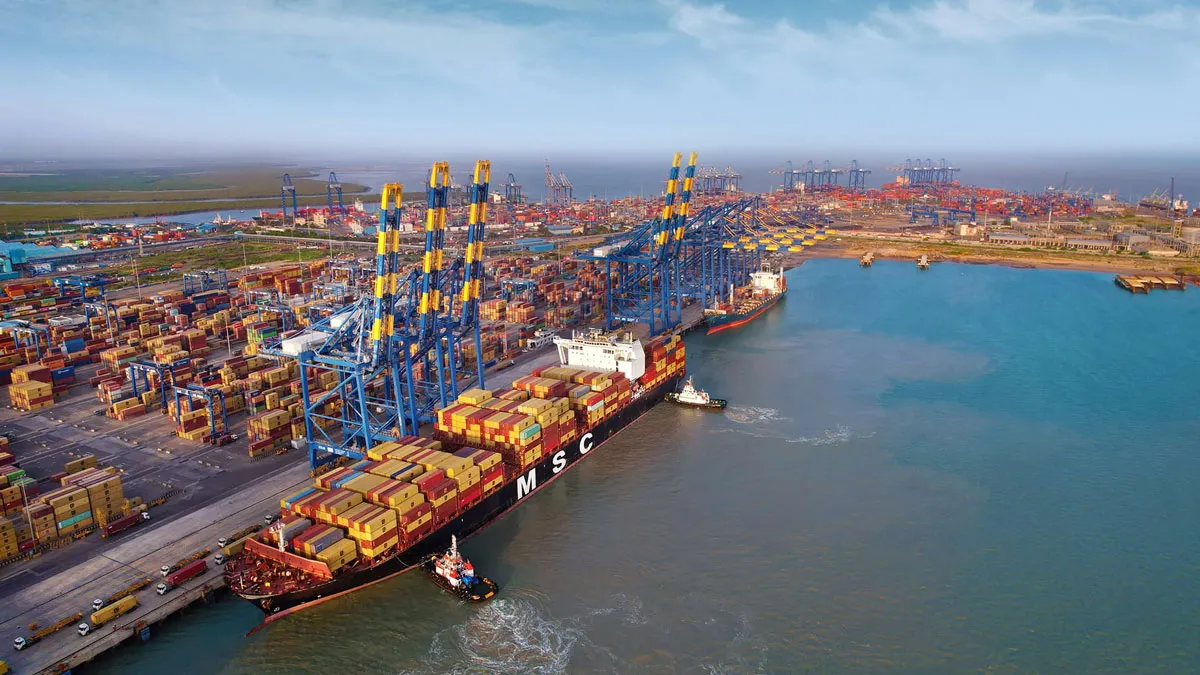
Adani Ports handled 44.8 million tonnes (mn t) of cargo in January 2026, registering a rise of 12 per cent year on year. The company reported that the monthly throughput represented sustained momentum across its port network and reflected broad based demand for import and export movements. The volume figure compares favourably with the same month in the prior year and marks continued recovery in trade flows amid prevailing economic conditions. The month also reflected inventory replenishment and port readiness for upcoming trade activity.

The increase in volumes was attributed to steady cargo flows across bulk, break bulk and container segments as well as enhanced freight handling efficiencies. Operational improvements at terminal interfaces and streamlined hinterland connectivity supported faster turnaround times and improved berth utilisation. The firm cited coordinated logistics and improved rail and road linkages as contributors to productivity gains without disclosing segmental splits. Operational coordination with shipping lines and hinterland carriers supported schedules.

Adani Ports has continued investments in infrastructure and technology to manage higher traffic, focusing on mechanisation and digital platforms to optimise cargo handling and documentation processes. Such measures have aimed to reduce dwell times and facilitate smoother exchange between sea and land modes, benefiting traders and logistics providers. The company maintained emphasis on safety and environmental compliance while scaling operational capacity. Digital tracking and automated systems were used to monitor cargo movements and resource deployment.

The monthly performance is likely to strengthen revenue prospects for the near term and underlines the role of port efficiency in trade facilitation. Market observers said the trend could support longer term planning for capacity additions and hinterland development to absorb growing freight demand. Management emphasised continued focus on customer service and operational resilience as the port network seeks to support expanding trade volumes. Stakeholders were expected to benefit from reduced delays and improved predictability of shipments.

Adani Ports handled 44.8 million tonnes (mn t) of cargo in January 2026, registering a rise of 12 per cent year on year. The company reported that the monthly throughput represented sustained momentum across its port network and reflected broad based demand for import and export movements. The volume figure compares favourably with the same month in the prior year and marks continued recovery in trade flows amid prevailing economic conditions. The month also reflected inventory replenishment and port readiness for upcoming trade activity. The increase in volumes was attributed to steady cargo flows across bulk, break bulk and container segments as well as enhanced freight handling efficiencies. Operational improvements at terminal interfaces and streamlined hinterland connectivity supported faster turnaround times and improved berth utilisation. The firm cited coordinated logistics and improved rail and road linkages as contributors to productivity gains without disclosing segmental splits. Operational coordination with shipping lines and hinterland carriers supported schedules. Adani Ports has continued investments in infrastructure and technology to manage higher traffic, focusing on mechanisation and digital platforms to optimise cargo handling and documentation processes. Such measures have aimed to reduce dwell times and facilitate smoother exchange between sea and land modes, benefiting traders and logistics providers. The company maintained emphasis on safety and environmental compliance while scaling operational capacity. Digital tracking and automated systems were used to monitor cargo movements and resource deployment. The monthly performance is likely to strengthen revenue prospects for the near term and underlines the role of port efficiency in trade facilitation. Market observers said the trend could support longer term planning for capacity additions and hinterland development to absorb growing freight demand. Management emphasised continued focus on customer service and operational resilience as the port network seeks to support expanding trade volumes. Stakeholders were expected to benefit from reduced delays and improved predictability of shipments.

Next Story
Infrastructure Transport

Lucknow Metro East-West Corridor Consultancy Contract Awarded

The Uttar Pradesh Metro Rail Corporation has awarded the first construction-related consultancy contract for the Lucknow Metro East West Corridor to a joint venture of AYESA Ingenieria Arquitectura SAU and AYESA India Pvt Ltd. The firm was declared the lowest bidder for the Detailed Design Consultant contract for Lucknow Metro Line-2 under Phase 1B and the contract was recommended following the financial bid. The contract is valued at Rs 159.0 million (mn), covering design services for the corridor. Lucknow Metro Line-2 envisages the construction of an 11.165 kilometre corridor connecting Cha..

Next Story
Infrastructure Urban

Div Com Kashmir Urges Fast Tracking Of Jhelum Water Transport Project

The Divisional Commissioner of Kashmir has called for the fast-tracking of the Jhelum water transport project, urging district administrations and relevant agencies to accelerate planning and clearances. In a meeting convened at the divisional headquarters, the commissioner instructed officials from irrigation, public health engineering and municipal departments to prioritise the project and coordinate survey and design work. The directive emphasised removal of administrative bottlenecks and close monitoring to ensure timely mobilisation of resources and contractors. Officials were told to in..

Next Story
Infrastructure Urban

Interarch Reports Strong Q3 And Nine Month Results

Interarch Building Solutions Limited reported unaudited results for the third quarter and nine months ended 31 December 2025, recording strong revenue growth driven by execution and a robust order book. Net revenue for the third quarter rose by 43.7 per cent to Rs 5.225 billion (bn), compared with Rs 3.636 bn a year earlier, reflecting heightened demand in pre-engineered building projects. The company’s total order book as at 31 January 2026 stood at Rs 16.85 bn, supporting near-term visibility. EBITDA excluding other income for the quarter increased by 43.2 per cent to Rs 503 million (mn),..

Advertisement

Subscribe to Our Newsletter

Get daily newsletters around different themes from Construction world.

STAY CONNECTED

Advertisement

Advertisement

Advertisement

Open In App