
Auto LPG Push Gains Momentum in India’s Clean Fuel Debate
OIL & GAS

Auto LPG Push Gains Momentum in India’s Clean Fuel Debate

India is witnessing growing climate-focused investment and a wider shift towards cleaner fuels and zero-emission technologies. Against this backdrop, the Indian Auto LPG Coalition (IAC) has called for Auto LPG to be recognised as a key part of the country’s clean fuel strategy.
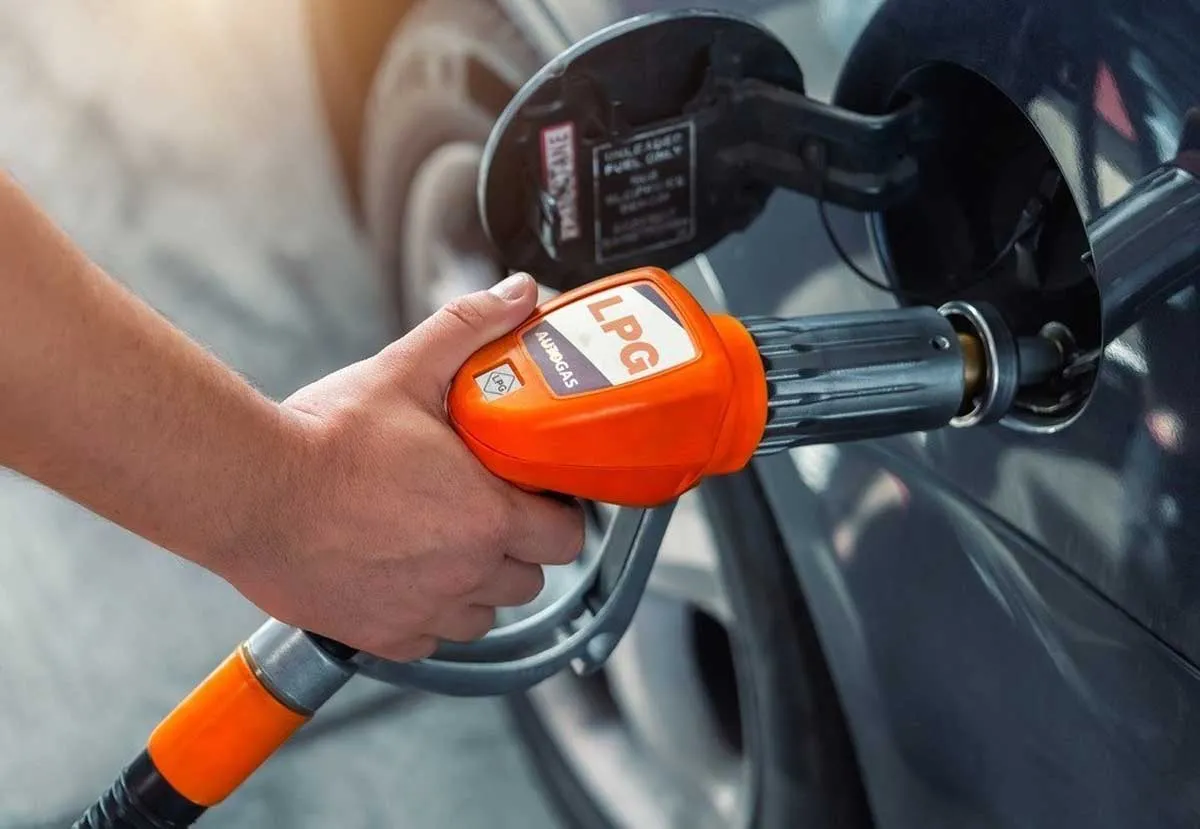
With over 330 million vehicles still running on petrol and diesel, the transport sector remains a major contributor to urban air pollution. IAC said quick-impact solutions are needed to reduce emissions in the near term, and highlighted Auto LPG as an immediately deployable alternative. The fuel is already used by more than 27 million vehicles globally and around 2.4 million vehicles in India.
Suyash Gupta, Director General, Indian Auto LPG Coalition, said that large-scale retrofitment to Auto LPG could help convert millions of vehicles into lower-emission alternatives without requiring a complete phase-out of conventional vehicles in the short term. He added that the fuel offers a cost-effective option for consumers while supporting cleaner air, Net Zero goals and energy security.
According to the coalition, Auto LPG helps lower emissions of carbon dioxide, nitrogen oxides and particulate matter, while also reducing running costs compared to petrol and diesel. It further noted that, unlike electric vehicles, Auto LPG can use existing distribution infrastructure and deliver faster air quality gains with limited additional investment.
The coalition has urged policymakers to include Auto LPG in the national clean fuel conversation, encourage OEMs to introduce more LPG vehicle variants, and reduce GST on LPG conversion kits from 28 per cent to 5 per cent. It pointed to countries such as Ukraine, Poland, Korea and Russia as examples where supportive policies have helped expand Autogas adoption and reduce emissions.
IAC said incorporating Auto LPG into India’s clean mobility framework could help balance long-term environmental ambitions with the immediate realities of the country’s large petrol and diesel vehicle base.

India is witnessing growing climate-focused investment and a wider shift towards cleaner fuels and zero-emission technologies. Against this backdrop, the Indian Auto LPG Coalition (IAC) has called for Auto LPG to be recognised as a key part of the country’s clean fuel strategy.With over 330 million vehicles still running on petrol and diesel, the transport sector remains a major contributor to urban air pollution. IAC said quick-impact solutions are needed to reduce emissions in the near term, and highlighted Auto LPG as an immediately deployable alternative. The fuel is already used by more than 27 million vehicles globally and around 2.4 million vehicles in India.Suyash Gupta, Director General, Indian Auto LPG Coalition, said that large-scale retrofitment to Auto LPG could help convert millions of vehicles into lower-emission alternatives without requiring a complete phase-out of conventional vehicles in the short term. He added that the fuel offers a cost-effective option for consumers while supporting cleaner air, Net Zero goals and energy security.According to the coalition, Auto LPG helps lower emissions of carbon dioxide, nitrogen oxides and particulate matter, while also reducing running costs compared to petrol and diesel. It further noted that, unlike electric vehicles, Auto LPG can use existing distribution infrastructure and deliver faster air quality gains with limited additional investment.The coalition has urged policymakers to include Auto LPG in the national clean fuel conversation, encourage OEMs to introduce more LPG vehicle variants, and reduce GST on LPG conversion kits from 28 per cent to 5 per cent. It pointed to countries such as Ukraine, Poland, Korea and Russia as examples where supportive policies have helped expand Autogas adoption and reduce emissions.IAC said incorporating Auto LPG into India’s clean mobility framework could help balance long-term environmental ambitions with the immediate realities of the country’s large petrol and diesel vehicle base.

Next Story
Infrastructure Energy

Power Mech Enters Urban Mobility With Rs 2.96 bn Mumbai Monorail Contract

Power Mech said it has secured a contract worth Rs 2.96 billion (Rs 2.96 bn) to deliver work on the Mumbai Monorail, marking the company's formal entry into urban mobility. The award was described as a significant contract for the firm and follows its focus on infrastructure projects. Shares of the company rose on the announcement as investors reacted to the new order. The contract will expand Power Mech's engineering and construction portfolio into urban transit systems and provides the company with exposure to the fast growing urban mobility segment in metropolitan areas. The work is expecte..

Next Story
Infrastructure Urban

Yogi Orders Expert Panel On Smart Meter Overbilling

The Uttar Pradesh chief minister ordered the formation of an expert panel to investigate widespread complaints of overbilling linked to newly installed smart meters. The panel was instructed to review meter data, examine installation practices and identify technical or procedural causes behind discrepancies in consumer bills. The state energy department was asked to prioritise the inquiry and to coordinate with distribution companies to ensure rapid access to required records and equipment. The committee was directed to conduct technical audits of meters and to establish whether faults, calibr..

Next Story
Infrastructure Energy

Power Firms Seek Relaxation Of HERC Fuel Surcharge Rules

Uttar Haryana Bijli Vitran Nigam (UHBVN) and Dakshin Haryana Bijli Vitran Nigam (DHBVN) have approached the Haryana Electricity Regulatory Commission (HERC) seeking relaxation of rules that govern recovery of fuel and power purchase costs. The distribution companies have filed petitions proposing amendments to Regulation sixty eight of the Multi-Year Tariff (MYT) Regulations, 2024 for financial year 2025-26, and have asked the regulator to consider alternative recovery mechanisms to the current monthly arrangement. Under the existing framework, additional costs arising from fuel and power purc..

Advertisement

Subscribe to Our Newsletter

Get daily newsletters around different themes from Construction world.

STAY CONNECTED

Advertisement

Advertisement

Advertisement