

CAG Flags Underuse of India’s Strategic Oil Reserves
OIL & GAS

CAG Flags Underuse of India’s Strategic Oil Reserves

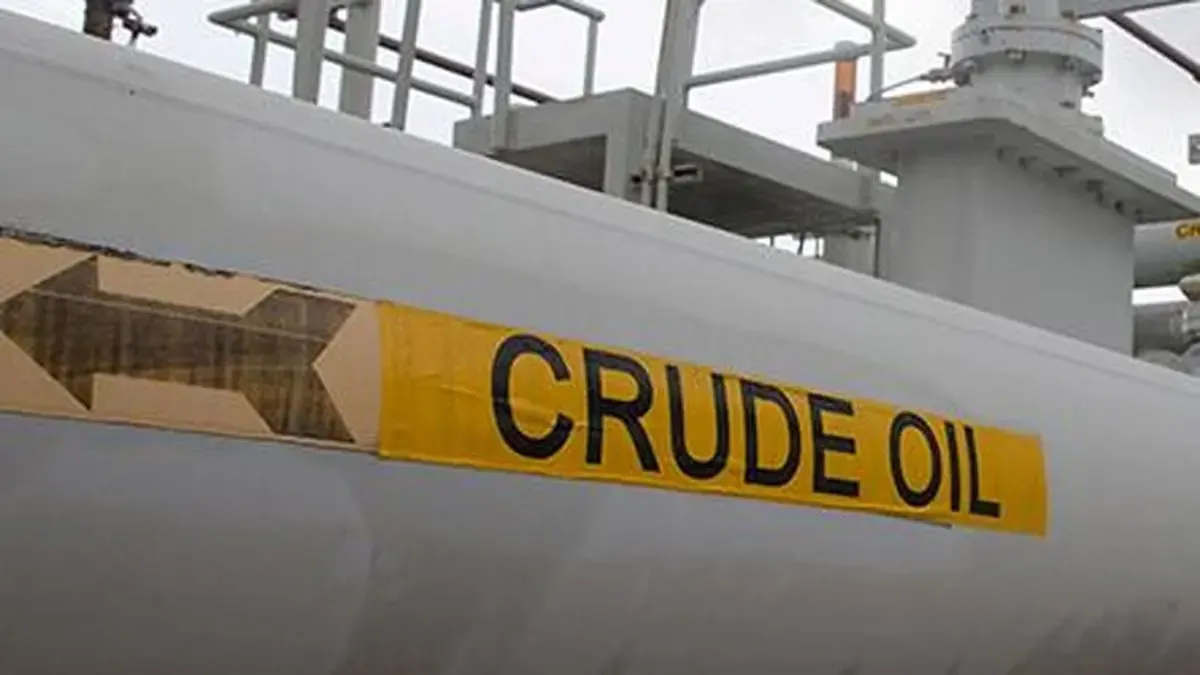
The Comptroller and Auditor General of India has flagged the “sub-optimal” utilisation of India’s strategic petroleum reserves by the Ministry of Petroleum and Natural Gas, both for emergency crude shortages and commercial use.

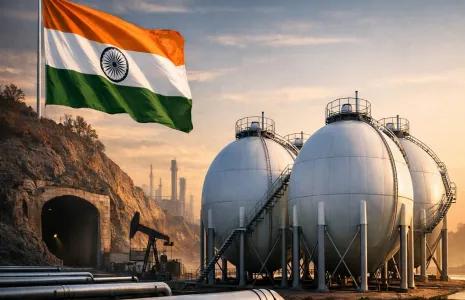
The ministry had set up Indian Strategic Petroleum Reserves Limited to implement and operate strategic crude oil storage projects. ISPRL manages a total storage capacity of 5.33 million tonnes, comprising Visakhapatnam (1.33 million tonnes), Mangalore (1.50 million tonnes) and Padur (2.50 million tonnes).

The original plan to create 5 million tonnes of reserves, revised to 5.33 million tonnes in 2011, was designed to provide about 14 days of cover on a consumption basis and 19 days on an import basis, with FY07 as the base year.

The audit covered the period from FY18 to FY22, updated up to March 2024, and examined the planning and execution of Phase I, including crude oil procurement, filling, release, replenishment, and operations since the first crude fill at Visakhapatnam in May 2015. The CAG noted that since FY19, when all caverns were commissioned, utilisation levels remained low—ranging from 8.74 per cent to 58.41 per cent—except in FY21.

As of March 31, 2024, ISPRL had cavern capacity of 3.98 million tonnes available, excluding compartments allotted to Hindustan Petroleum Corporation Limited or foreign oil companies. Of this, only 2.91 million tonnes were filled, leaving 1.07 million tonnes vacant and resulting in underutilisation of about 27 per cent.

The audit observed that the filled capacity of 2.91 million tonnes could provide import cover for only 4.56 days, far short of the envisaged 19 days. In its March 2024 response, ISPRL said caverns were kept partially empty in line with its mandate for partial commercialisation. However, the CAG noted that commercialisation was approved only in July 2021, whereas significant underutilisation existed in FY19 and FY20, when no such mandate was in place.

Under Phase I of commercialisation, 30 per cent of reserves were leased, 20 per cent of crude capacity was permitted for sale or purchase by ISPRL, and 50 per cent was retained as strategic stock. Up to March 2024, ISPRL sold 1.298 million tonnes of crude oil worth Rs 53.78 billion (excluding VAT of Rs 1.18 billion) to HPCL (0.537 million tonnes) and Mangalore Refinery and Petrochemicals Limited (0.761 million tonnes) to create leasing space.

After tax deducted at source and other deductions of Rs 55.3 million, ISPRL deposited Rs 53.72 billion with the Centre. It also signed an agreement with HPCL in February 2024 to lease 0.30 million tonnes of cavern space at Visakhapatnam, effective January 2024.

The Union Cabinet in July 2021 had allowed trading of crude oil, to begin within six months, by January 2022. However, the CAG noted that trading had still not commenced as of August 2024 due to the absence of defined modalities. As per Cabinet approval, ISPRL was expected to earn up to Rs 1.74 billion per year from trading 20 per cent of its capacity, which could have made it financially self-sufficient.

The audit concluded that ISPRL has neither achieved self-sustenance more than three years after approval nor filled the cavern space at Mangalore, which has remained vacant by 0.761 million tonnes since March 2022.

The Comptroller and Auditor General of India has flagged the “sub-optimal” utilisation of India’s strategic petroleum reserves by the Ministry of Petroleum and Natural Gas, both for emergency crude shortages and commercial use. The ministry had set up Indian Strategic Petroleum Reserves Limited to implement and operate strategic crude oil storage projects. ISPRL manages a total storage capacity of 5.33 million tonnes, comprising Visakhapatnam (1.33 million tonnes), Mangalore (1.50 million tonnes) and Padur (2.50 million tonnes). The original plan to create 5 million tonnes of reserves, revised to 5.33 million tonnes in 2011, was designed to provide about 14 days of cover on a consumption basis and 19 days on an import basis, with FY07 as the base year. The audit covered the period from FY18 to FY22, updated up to March 2024, and examined the planning and execution of Phase I, including crude oil procurement, filling, release, replenishment, and operations since the first crude fill at Visakhapatnam in May 2015. The CAG noted that since FY19, when all caverns were commissioned, utilisation levels remained low—ranging from 8.74 per cent to 58.41 per cent—except in FY21. As of March 31, 2024, ISPRL had cavern capacity of 3.98 million tonnes available, excluding compartments allotted to Hindustan Petroleum Corporation Limited or foreign oil companies. Of this, only 2.91 million tonnes were filled, leaving 1.07 million tonnes vacant and resulting in underutilisation of about 27 per cent. The audit observed that the filled capacity of 2.91 million tonnes could provide import cover for only 4.56 days, far short of the envisaged 19 days. In its March 2024 response, ISPRL said caverns were kept partially empty in line with its mandate for partial commercialisation. However, the CAG noted that commercialisation was approved only in July 2021, whereas significant underutilisation existed in FY19 and FY20, when no such mandate was in place. Under Phase I of commercialisation, 30 per cent of reserves were leased, 20 per cent of crude capacity was permitted for sale or purchase by ISPRL, and 50 per cent was retained as strategic stock. Up to March 2024, ISPRL sold 1.298 million tonnes of crude oil worth Rs 53.78 billion (excluding VAT of Rs 1.18 billion) to HPCL (0.537 million tonnes) and Mangalore Refinery and Petrochemicals Limited (0.761 million tonnes) to create leasing space. After tax deducted at source and other deductions of Rs 55.3 million, ISPRL deposited Rs 53.72 billion with the Centre. It also signed an agreement with HPCL in February 2024 to lease 0.30 million tonnes of cavern space at Visakhapatnam, effective January 2024. The Union Cabinet in July 2021 had allowed trading of crude oil, to begin within six months, by January 2022. However, the CAG noted that trading had still not commenced as of August 2024 due to the absence of defined modalities. As per Cabinet approval, ISPRL was expected to earn up to Rs 1.74 billion per year from trading 20 per cent of its capacity, which could have made it financially self-sufficient. The audit concluded that ISPRL has neither achieved self-sustenance more than three years after approval nor filled the cavern space at Mangalore, which has remained vacant by 0.761 million tonnes since March 2022.

Next Story
Infrastructure Urban

Study Highlights Freshwater Sponges’ Role in Fighting Metal Pollution

Scientists have identified freshwater sponges and their associated microbial communities as powerful natural allies in tackling toxic metal pollution, offering new hope for sustainable water quality management. A recent study has revealed that these sponges can act both as bioindicators and effective absorbents of harmful metals such as arsenic, lead and cadmium.The findings come from a study published in Microbiology Spectrum by researchers from Bose Institute, an autonomous institute under the Department of Science and Technology, Government of India. The research focused on freshwater spong..

Next Story
Infrastructure Transport

79% of Indian Railways Track now Supports Speeds of 110 Kmph+

Indian Railways has significantly enhanced the speed potential of its track network over the past decade, with 79 per cent of tracks now capable of supporting speeds of 110 kmph and above, compared with just 40 per cent in 2014. The improvement reflects sustained investment in track modernisation and maintenance aimed at faster and safer train operations.According to official data, large-scale upgradation works have been undertaken over the last 11 years to improve track quality and performance. Key measures include the use of heavier 60 kg rails, wider-base concrete sleepers, thick web switch..

Next Story
Infrastructure Transport

Indian Railways Clocks 80% Punctuality Nationwide from Dec 8–14

Indian Railways has reported strong operational performance, achieving an overall punctuality of 80 per cent across the network during the period from December 8 to December 14. The achievement reflects sustained efforts by railway divisions to enhance efficiency and ensure reliable and timely services for passengers and freight users.According to official data, 37 railway divisions recorded punctuality levels exceeding 80 per cent during the review period. Notably, 22 divisions achieved punctuality above 90 per cent, while 10 divisions went a step further by crossing the 95 per cent mark, hig..

Advertisement

Subscribe to Our Newsletter

Get daily newsletters around different themes from Construction world.

STAY CONNECTED

Advertisement

Advertisement

Advertisement

Advertisement

Open In App