E20 Petrol Samples Meet Quality Standards, Says Oil Ministry
OIL & GAS

E20 Petrol Samples Meet Quality Standards, Says Oil Ministry

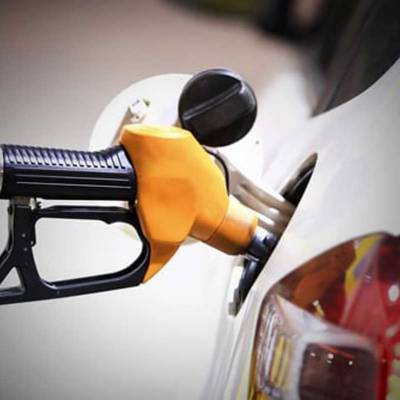
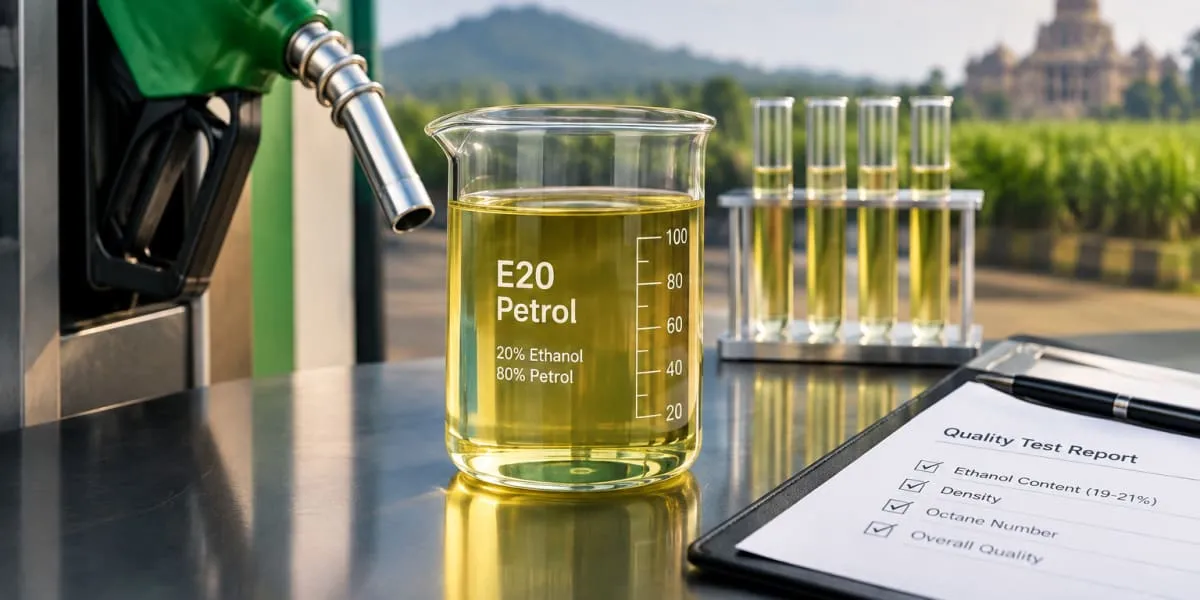
The government has defended the 20 per cent ethanol-blended petrol programme after tests of 893 samples collected across 27 states and Union Territories found them compliant with prescribed quality standards. The samples were tested by Indian Oil Corporation (IOC), Bharat Petroleum Corporation (BPCL) and Hindustan Petroleum Corporation (HPCL), which said ethanol content remained within the prescribed 19-21 per cent range under the Bureau of Indian Standards’ IS 17021 specification.

In Karnataka, 56 samples collected from different locations and covering all three oil marketing companies recorded ethanol content of 19-20 per cent, with an average of 19.30 per cent, according to the Ministry of Petroleum and Natural Gas. The findings conflict with a statement from Karnataka’s Department of Food, Civil Supplies, Consumer Affairs and Legal Metrology, which reported ethanol levels of 26-31 per cent at selected retail outlets.

The oil companies have questioned the sampling and testing procedures used during Karnataka’s October 2026 exercise. They said the exercise was conducted without their representatives and that they had not received retention samples, complete outlet-level details or laboratory reports. They also sought disclosure of the test methods, dilution procedures and reference materials used by a third-party laboratory.

Under applicable supply and marketing guidelines, six one-litre samples must be drawn during an inspection, with two each provided to the dealer, retained by the authorities or oil company, and sent to an authorised laboratory. The companies said Gas Chromatography testing must follow prescribed standards, including 1:1 dilution with oxygenate-free petrol and correction against an E10 certified reference material.

The ministry and oil companies also disputed estimates that E20 fuel could cause annual mileage losses of Rs. 620 bn and vehicle repair costs of Rs. 390 bn. More than 300 mn two-wheelers and 40 mn four-wheelers have reportedly used E20 fuel for over three years. Since 2014-15, the programme has generated foreign exchange savings of more than Rs. 1.97 tn, substituted 31.6 mn t of crude oil and reduced carbon dioxide emissions by about 95.2 mn t. The companies have sought a joint sampling and testing exercise with Karnataka using prescribed methods.

The government has defended the 20 per cent ethanol-blended petrol programme after tests of 893 samples collected across 27 states and Union Territories found them compliant with prescribed quality standards. The samples were tested by Indian Oil Corporation (IOC), Bharat Petroleum Corporation (BPCL) and Hindustan Petroleum Corporation (HPCL), which said ethanol content remained within the prescribed 19-21 per cent range under the Bureau of Indian Standards’ IS 17021 specification. In Karnataka, 56 samples collected from different locations and covering all three oil marketing companies recorded ethanol content of 19-20 per cent, with an average of 19.30 per cent, according to the Ministry of Petroleum and Natural Gas. The findings conflict with a statement from Karnataka’s Department of Food, Civil Supplies, Consumer Affairs and Legal Metrology, which reported ethanol levels of 26-31 per cent at selected retail outlets. The oil companies have questioned the sampling and testing procedures used during Karnataka’s October 2026 exercise. They said the exercise was conducted without their representatives and that they had not received retention samples, complete outlet-level details or laboratory reports. They also sought disclosure of the test methods, dilution procedures and reference materials used by a third-party laboratory. Under applicable supply and marketing guidelines, six one-litre samples must be drawn during an inspection, with two each provided to the dealer, retained by the authorities or oil company, and sent to an authorised laboratory. The companies said Gas Chromatography testing must follow prescribed standards, including 1:1 dilution with oxygenate-free petrol and correction against an E10 certified reference material. The ministry and oil companies also disputed estimates that E20 fuel could cause annual mileage losses of Rs. 620 bn and vehicle repair costs of Rs. 390 bn. More than 300 mn two-wheelers and 40 mn four-wheelers have reportedly used E20 fuel for over three years. Since 2014-15, the programme has generated foreign exchange savings of more than Rs. 1.97 tn, substituted 31.6 mn t of crude oil and reduced carbon dioxide emissions by about 95.2 mn t. The companies have sought a joint sampling and testing exercise with Karnataka using prescribed methods.

Related Stories

Gold Stories
Next Story
Infrastructure Energy

22 Companies Bid for 10 GWh Battery Storage PLI

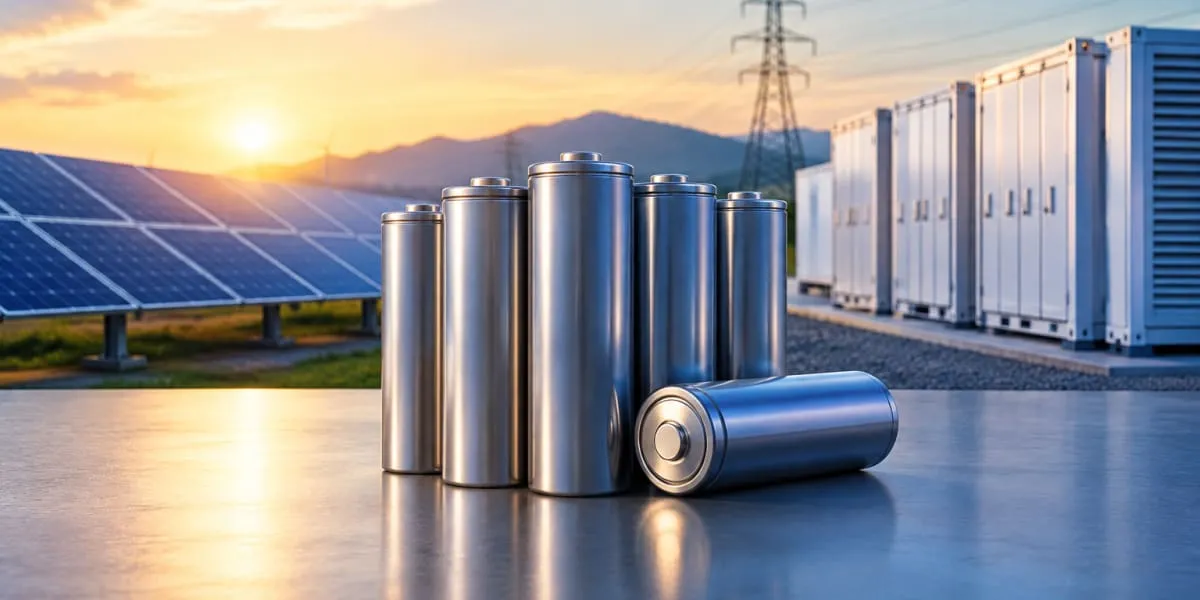
The Ministry of Heavy Industries (MHI) has received 22 bids for 10 GWh of advanced chemistry cell (ACC) manufacturing capacity under the Production Linked Incentive (PLI) scheme. The bidders include Reliance Industries, ACME Solar Holdings, Amara Raja Advanced Cell Technologies, Exide Energy Solutions, JSW Neo Energy and Vikram Solar. The capacity has been earmarked for Grid-Scale Stationary Storage (GSSS) applications. It forms part of the government’s broader target of establishing 50 GWh of ACC manufacturing capacity under the National Programme on Advanced Chemistry Cell Battery Storage...

Next Story
Infrastructure Transport

Modi Says Almost Entire Indian Railway Network Electrified

Prime Minister Narendra Modi has cited the electrification of the Indian Railways as an example of accelerated execution under his administration. Addressing the media at a Diwali Milan programme at the Bharatiya Janata Party headquarters in New Delhi, he compared the pace of infrastructure development and welfare delivery over the past decade with earlier periods. Modi said railway electrification began in the 1930s but had reached only 30 per cent completion by 2014, after about 90 years of work. He said the project would have taken several more decades at the earlier pace, while claiming th..
Next Story
Infrastructure Transport

Jammu Railway Bridge 232 Speed Limit Raised to 45 kmph

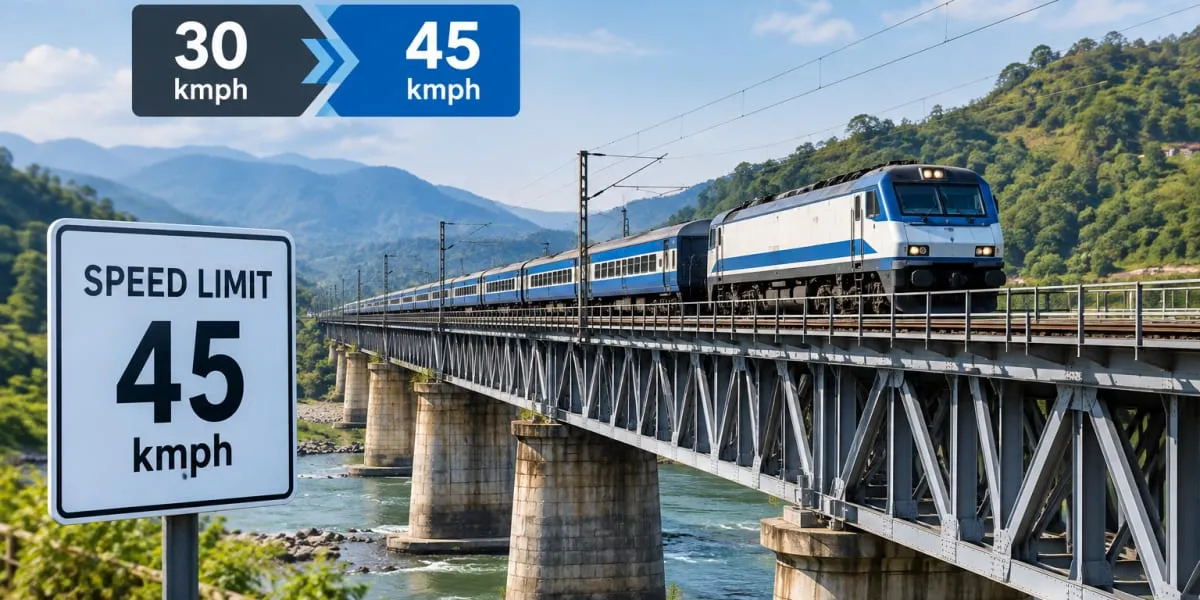
Northern Railway’s Jammu Division has raised the speed limit on Railway Bridge No. 232 in the Kandrori-Pathankot Cantt Block Section from 30 kmph to 45 kmph after extensive restoration and rehabilitation work. The bridge is located in the Bhogpur Sirwal-Pathankot Cantt Section and carries both UP and DN lines. The bridge’s protection walls were damaged during severe floods in 2024, prompting the imposition of a 20 kmph speed restriction from August 1, 2024. During the 2025 floods, the restriction was tightened on safety grounds to Stop Dead and 10 kmph. It was later relaxed in stages to 20..

Advertisement

Subscribe to Our Newsletter

Get daily newsletters around different themes from Construction world.

STAY CONNECTED

Advertisement

SPECIAL OFFER
QR Code