India Identifies 5-8 GW Wind Capacity for Repowering
POWER & RENEWABLE ENERGY

India Identifies 5-8 GW Wind Capacity for Repowering

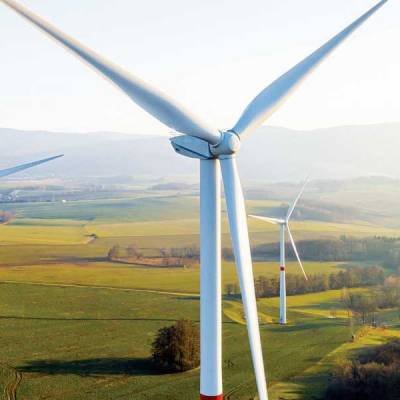
India is examining a plan to repower 5-8 GW of existing wind capacity by replacing ageing turbines with larger, more efficient machines, aiming to raise electricity generation at established sites without requiring additional land. The proposal is being developed as the country seeks to expand renewable power while managing land and grid constraints.

The Indian Wind Turbine Manufacturers Association (IWTMA) has identified the capacity for immediate repowering, with generation at the selected sites potentially rising by nearly 50 per cent, its chief executive Aditya Pyasi said. The association is discussing an implementation plan with the Centre and state governments, with Gujarat, Maharashtra and Karnataka identified as priority wind markets.

Under the proposal, turbines with capacities of up to 2 MW would be replaced by modern units ranging from 3 MW to 5 MW. The approach is intended to reduce land acquisition and right-of-way pressures, since newer machines can produce more power from the same locations. Bloomberg reported the development.

Wind power is important to India's electricity system after sunset, but installations have trailed solar because of land availability challenges and limited battery storage. India added a record 6.3 GW of wind capacity in 2025, although deployment remains below the pace needed to meet the country's 2030 clean energy target of 500 GW.

The Ministry of New and Renewable Energy estimated in 2023 that about 25 GW, nearly 40 per cent of installed wind capacity at that time, consisted of projects using turbines smaller than 2 MW. Such sites can be upgraded with turbines exceeding 5 MW, which can reach stronger wind currents and generate more electricity from the same land area. Internationally, about 178 GW of wind projects commissioned before 2010 are expected to become eligible for retrofitting by 2030, according to the International Renewable Energy Agency, which regards repowering as a way to expand renewable capacity.

India is examining a plan to repower 5-8 GW of existing wind capacity by replacing ageing turbines with larger, more efficient machines, aiming to raise electricity generation at established sites without requiring additional land. The proposal is being developed as the country seeks to expand renewable power while managing land and grid constraints. The Indian Wind Turbine Manufacturers Association (IWTMA) has identified the capacity for immediate repowering, with generation at the selected sites potentially rising by nearly 50 per cent, its chief executive Aditya Pyasi said. The association is discussing an implementation plan with the Centre and state governments, with Gujarat, Maharashtra and Karnataka identified as priority wind markets. Under the proposal, turbines with capacities of up to 2 MW would be replaced by modern units ranging from 3 MW to 5 MW. The approach is intended to reduce land acquisition and right-of-way pressures, since newer machines can produce more power from the same locations. Bloomberg reported the development. Wind power is important to India's electricity system after sunset, but installations have trailed solar because of land availability challenges and limited battery storage. India added a record 6.3 GW of wind capacity in 2025, although deployment remains below the pace needed to meet the country's 2030 clean energy target of 500 GW. The Ministry of New and Renewable Energy estimated in 2023 that about 25 GW, nearly 40 per cent of installed wind capacity at that time, consisted of projects using turbines smaller than 2 MW. Such sites can be upgraded with turbines exceeding 5 MW, which can reach stronger wind currents and generate more electricity from the same land area. Internationally, about 178 GW of wind projects commissioned before 2010 are expected to become eligible for retrofitting by 2030, according to the International Renewable Energy Agency, which regards repowering as a way to expand renewable capacity.

Related Stories

Gold Stories

Next Story
Infrastructure Energy

22 Companies Bid for 10 GWh Battery Storage PLI

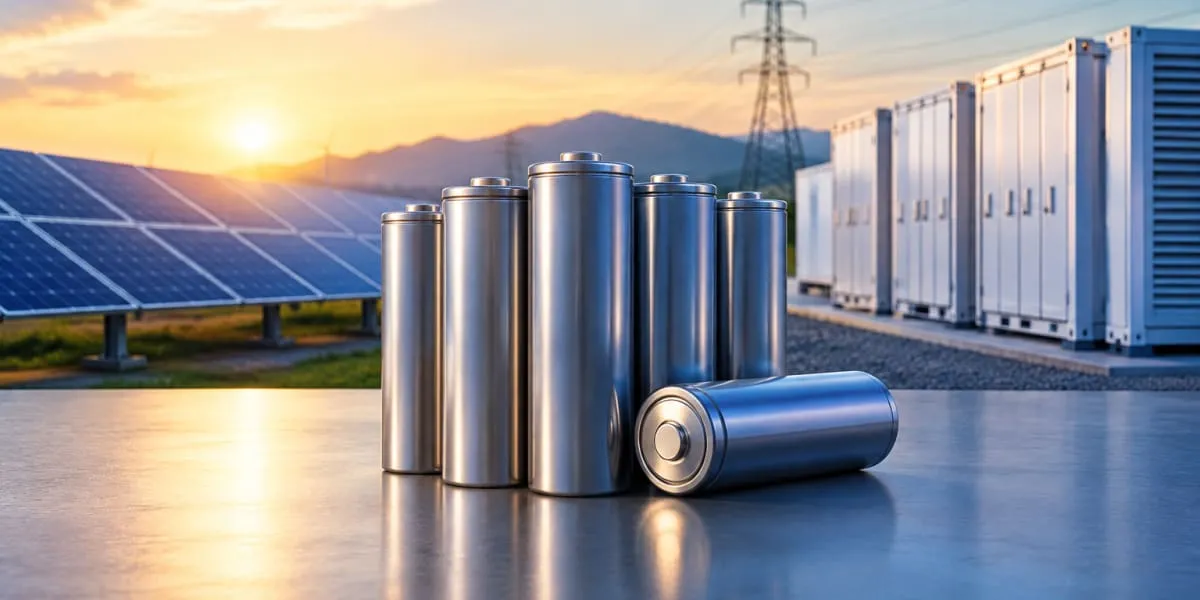
The Ministry of Heavy Industries (MHI) has received 22 bids for 10 GWh of advanced chemistry cell (ACC) manufacturing capacity under the Production Linked Incentive (PLI) scheme. The bidders include Reliance Industries, ACME Solar Holdings, Amara Raja Advanced Cell Technologies, Exide Energy Solutions, JSW Neo Energy and Vikram Solar. The capacity has been earmarked for Grid-Scale Stationary Storage (GSSS) applications. It forms part of the government’s broader target of establishing 50 GWh of ACC manufacturing capacity under the National Programme on Advanced Chemistry Cell Battery Storage...
Next Story
Infrastructure Transport

Modi Says Almost Entire Indian Railway Network Electrified

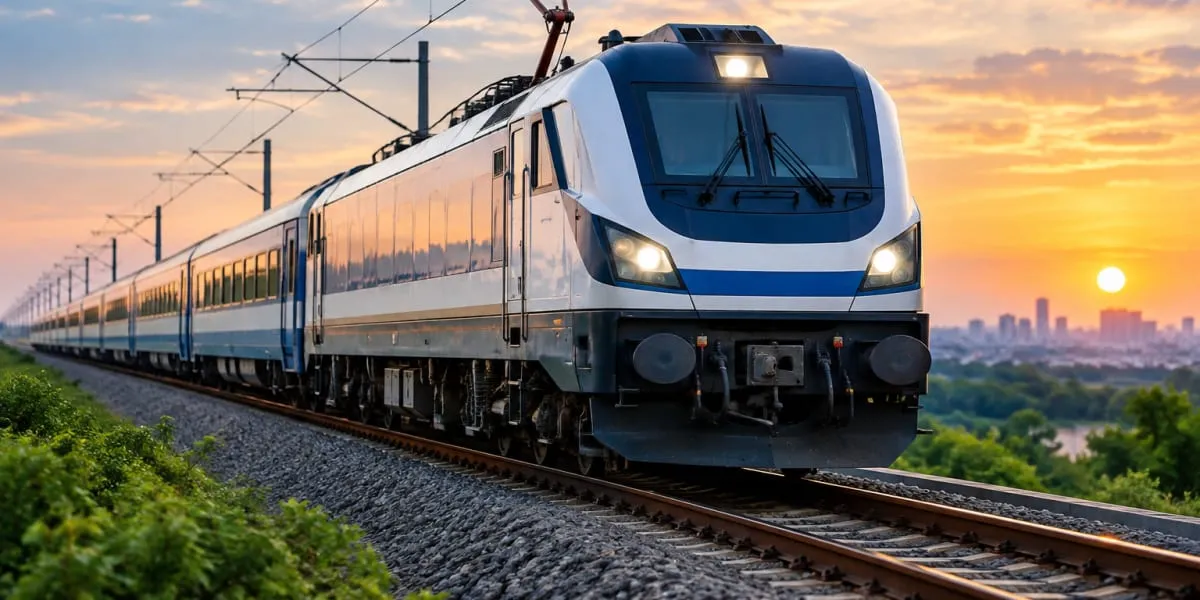
Prime Minister Narendra Modi has cited the electrification of the Indian Railways as an example of accelerated execution under his administration. Addressing the media at a Diwali Milan programme at the Bharatiya Janata Party headquarters in New Delhi, he compared the pace of infrastructure development and welfare delivery over the past decade with earlier periods. Modi said railway electrification began in the 1930s but had reached only 30 per cent completion by 2014, after about 90 years of work. He said the project would have taken several more decades at the earlier pace, while claiming th..
Next Story
Infrastructure Transport

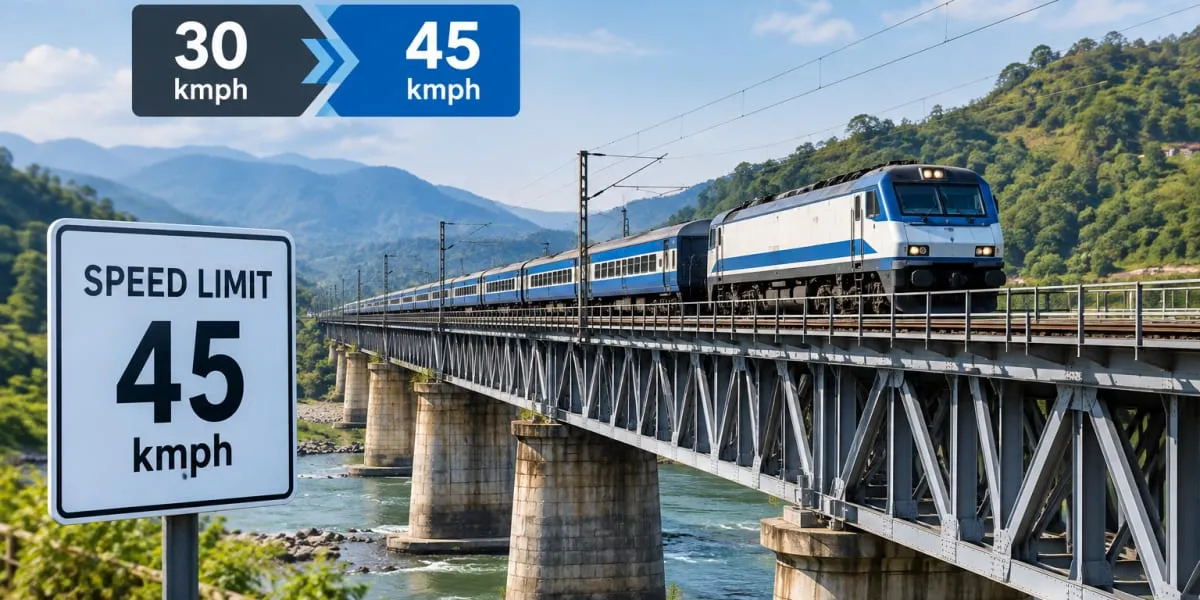
Jammu Railway Bridge 232 Speed Limit Raised to 45 kmph

Northern Railway’s Jammu Division has raised the speed limit on Railway Bridge No. 232 in the Kandrori-Pathankot Cantt Block Section from 30 kmph to 45 kmph after extensive restoration and rehabilitation work. The bridge is located in the Bhogpur Sirwal-Pathankot Cantt Section and carries both UP and DN lines. The bridge’s protection walls were damaged during severe floods in 2024, prompting the imposition of a 20 kmph speed restriction from August 1, 2024. During the 2025 floods, the restriction was tightened on safety grounds to Stop Dead and 10 kmph. It was later relaxed in stages to 20..

Advertisement

Subscribe to Our Newsletter

Get daily newsletters around different themes from Construction world.

STAY CONNECTED

Advertisement

SPECIAL OFFER
QR Code