

European floating gas terminals raise climate concerns
OIL & GAS

European floating gas terminals raise climate concerns

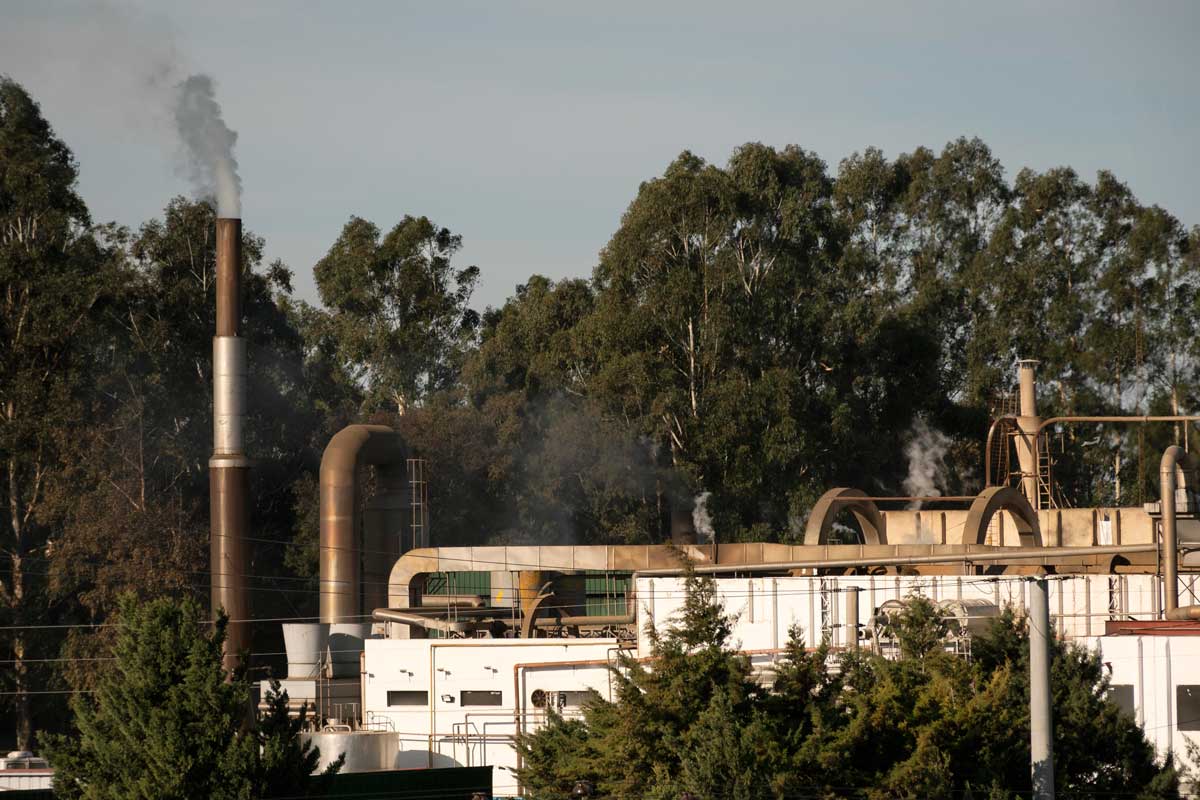
European nations, in a desperate attempt to replace the natural gas they once bought from Russia, have embraced a short-term fix: A series of roughly 20 floating terminals that would receive liquefied natural gas from other countries and convert it into heating fuel. The first floating terminals are set to deliver natural gas by the year-end, which has raised alarms among scientists who fear the long-term consequences for the environment. They warn that these terminals would perpetuate Europe’s reliance on natural gas, which releases climate-warming methane and carbon dioxide when it’s produced, transported and burned. Some scientists say they worry that the floating terminals will end up becoming a long-term supplier of Europe’s vast energy needs that could last years. Such a trend could set back emission-reduction efforts that experts say haven’t moved fast enough to slow the damage being done to the global environment.

Also read:
BPCL to develop 2 new petrochemical facilities in Bina, Kochi
Govt to reassess oil demand, refinery capacity projections


European nations, in a desperate attempt to replace the natural gas they once bought from Russia, have embraced a short-term fix: A series of roughly 20 floating terminals that would receive liquefied natural gas from other countries and convert it into heating fuel. The first floating terminals are set to deliver natural gas by the year-end, which has raised alarms among scientists who fear the long-term consequences for the environment. They warn that these terminals would perpetuate Europe’s reliance on natural gas, which releases climate-warming methane and carbon dioxide when it’s produced, transported and burned. Some scientists say they worry that the floating terminals will end up becoming a long-term supplier of Europe’s vast energy needs that could last years. Such a trend could set back emission-reduction efforts that experts say haven’t moved fast enough to slow the damage being done to the global environment. Also read: BPCL to develop 2 new petrochemical facilities in Bina, Kochi Govt to reassess oil demand, refinery capacity projections

Next Story
Infrastructure Transport

Kavach 4.0 Commissioned on Delhi–Mumbai and Delhi–Howrah

"Kavach version four has been commissioned on 1,452 route km, covering the high density Delhi–Mumbai and Delhi–Howrah corridors. The rollout included laying 8,570 km of optical fibre, installation of 1,100 telecom towers, deployment of trackside equipment over 6,776 RKm and establishment of 767 station data centres. Trackside implementation has been taken up on 24,427 RKm covering Golden Quadrilateral, Golden Diagonal and High Density Network sections. The programme aims to strengthen signalling and train protection on key routes.Kavach is an indigenously developed automatic train protecti..

Next Story
Infrastructure Transport

Railways Advance Kalyan–Murbad Line And Mumbai Capacity Expansion

"Indian Railways is advancing multiple rail infrastructure projects in Maharashtra, including the sanctioned Kalyan–Murbad new line and sizable investments under the Mumbai Urban Transport Project and the Mumbai–Ahmedabad High Speed Rail project. The Kalyan–Murbad 28 km new line has been sanctioned at Rs 8.36 billion (bn) on a 50:50 cost-sharing basis with the Government of Maharashtra and has been declared a Special Railway Project for land acquisition; proposals covering 214 hectares are at various stages of acquisition. Budgetary outlay for projects falling fully or partly in Maharash..

Next Story
Infrastructure Urban

Parliamentary Panel Flags Funding Gaps in Heavy Industries

"The Department-Related Parliamentary Standing Committee on Industry (Rajya Sabha) presented its 332nd report on the Demands for Grants 2026-27 of the Ministry of Heavy Industries (MHI). Figures converted from crore and lakh are expressed in million (mn). The Budget Estimates 2026-27 for the Ministry stand at Rs 79,399 mn against a projected requirement of Rs 94,843.2 mn, a shortfall of about 16 per cent, with revenue at Rs 79,370.8 mn and capital compressed to Rs 28.2 mn from Rs 5,020 mn.The committee flagged recurring BE-to-RE compression and declining revised estimate utilisation, and calle..

Advertisement

Subscribe to Our Newsletter

Get daily newsletters around different themes from Construction world.

STAY CONNECTED

Advertisement

Advertisement

Advertisement