

Kolkata to Add 435 Buses amid Fleet Shortage
OIL & GAS

Kolkata to Add 435 Buses amid Fleet Shortage

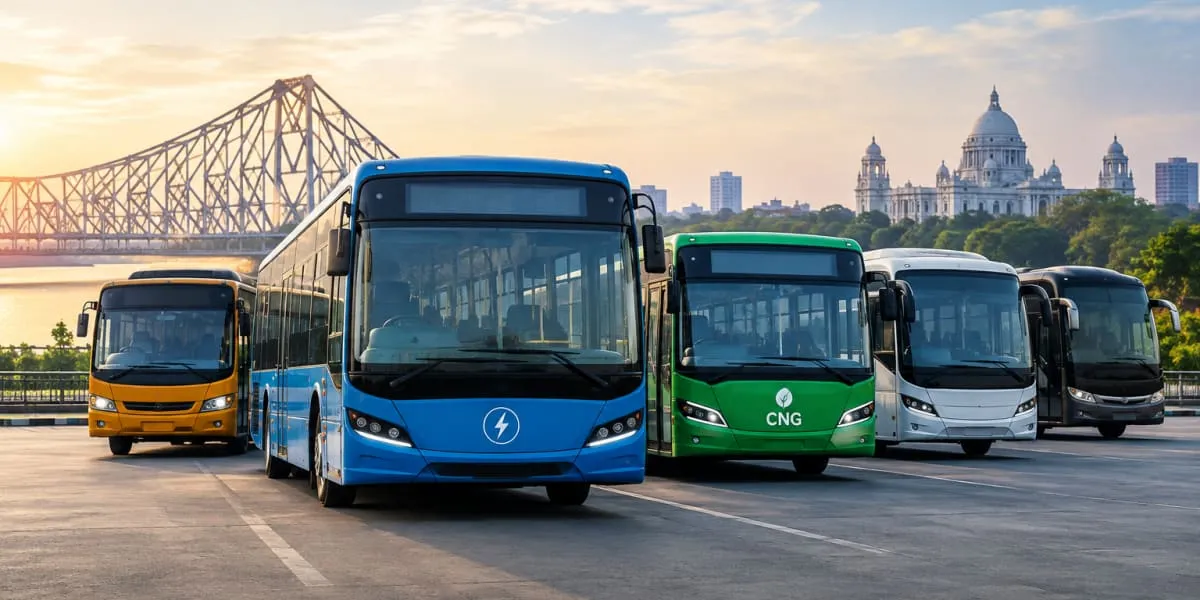
West Bengal plans to add 435 buses to the West Bengal Transport Corporation fleet to address shortages in Kolkata and adjoining areas. Electric and compressed natural gas (CNG) vehicles will account for 358 of the proposed additions, according to transport minister Arjun Singh.

The planned fleet comprises 152 air-conditioned electric buses, 206 non-air-conditioned CNG buses, 40 non-air-conditioned diesel midi buses and 37 Volvo coaches, including four sleeper buses. The proposal follows complaints about ageing vehicles, reduced fleet availability and long waits at bus stops.

The electric fleet will include 30 40-seater buses, while the remaining 122 vehicles will be suited to high-demand urban corridors. The CNG component will comprise 30 standard buses, 76 50-seater vehicles and 100 buses measuring 12 metres, with the additions intended to strengthen lower-cost ordinary passenger services.

The proposal also includes 40 diesel midi buses for routes where narrower roads or lower passenger demand make standard-sized vehicles unsuitable. The Volvo fleet will comprise 27 standard 12-metre buses, six 45-seater vehicles and four 40-seater sleeper coaches, although deployment details and specific routes have not been announced.

The planned induction follows the July launch of 50 air-conditioned buses, comprising 43 CNG and seven electric vehicles, across 24 routes. West Bengal has also begun steps to participate in the Centre’s PM-e Bus Sewa programme, which envisages 10,000 electric buses across cities through public-private partnerships. Parliament was informed in March 2026 that 10,000 buses had been sanctioned across 123 cities in 27 states and Union territories, but West Bengal was not listed among recipients as of March 12.

The state’s fleet expansion is separate from the central programme and will require charging facilities, CNG refuelling stations, depot capacity and maintenance arrangements. The transport department has not specified the delivery schedule, route allocation or phased deployment plan, leaving the effect on waiting times dependent on implementation.

West Bengal plans to add 435 buses to the West Bengal Transport Corporation fleet to address shortages in Kolkata and adjoining areas. Electric and compressed natural gas (CNG) vehicles will account for 358 of the proposed additions, according to transport minister Arjun Singh. The planned fleet comprises 152 air-conditioned electric buses, 206 non-air-conditioned CNG buses, 40 non-air-conditioned diesel midi buses and 37 Volvo coaches, including four sleeper buses. The proposal follows complaints about ageing vehicles, reduced fleet availability and long waits at bus stops. The electric fleet will include 30 40-seater buses, while the remaining 122 vehicles will be suited to high-demand urban corridors. The CNG component will comprise 30 standard buses, 76 50-seater vehicles and 100 buses measuring 12 metres, with the additions intended to strengthen lower-cost ordinary passenger services. The proposal also includes 40 diesel midi buses for routes where narrower roads or lower passenger demand make standard-sized vehicles unsuitable. The Volvo fleet will comprise 27 standard 12-metre buses, six 45-seater vehicles and four 40-seater sleeper coaches, although deployment details and specific routes have not been announced. The planned induction follows the July launch of 50 air-conditioned buses, comprising 43 CNG and seven electric vehicles, across 24 routes. West Bengal has also begun steps to participate in the Centre’s PM-e Bus Sewa programme, which envisages 10,000 electric buses across cities through public-private partnerships. Parliament was informed in March 2026 that 10,000 buses had been sanctioned across 123 cities in 27 states and Union territories, but West Bengal was not listed among recipients as of March 12. The state’s fleet expansion is separate from the central programme and will require charging facilities, CNG refuelling stations, depot capacity and maintenance arrangements. The transport department has not specified the delivery schedule, route allocation or phased deployment plan, leaving the effect on waiting times dependent on implementation.

Related Stories

Gold Stories
Next Story
Infrastructure Urban

NDMC Approves Five Prakriti Cafés in Three Delhi Parks

The New Delhi Municipal Council (NDMC) approved the setting up of five Prakriti Cafés across three prominent parks in the capital during its council meeting on Tuesday. The locations include Lodhi Garden, Nehru Park and BRICS Garden on Shanti Path. Two cafés will be developed in Lodhi Garden, while two others will come up in Nehru Park. The remaining café is planned for BRICS Garden. The council granted in-principle approval to explore the project under the Build-Operate-Transfer (BOT) model. Under the proposed arrangement, the selected agency will develop the cafés at its own cost and man..

Next Story
Infrastructure Transport

Air India and Airbus to Build India's First Corporate SAF Programme

Air India and Airbus have partnered to develop a framework for India’s first voluntary corporate Sustainable Aviation Fuel (SAF) programme. The feasibility study will examine how businesses can reduce lifecycle emissions associated with air travel by voluntarily supporting the procurement and use of SAF. Jürgen Westermeier, President and Managing Director of Airbus India and South Asia, and P Balaji, Group Head of Governance, Risk and Compliance and Corporate Affairs at Air India, signed the Feasibility Study Agreement. The signing took place in the presence of Rammohan Naidu Kinjarapu, Min..
Next Story
Infrastructure Energy

Indian Companies to Buy US LPG from Four Firms in 2027

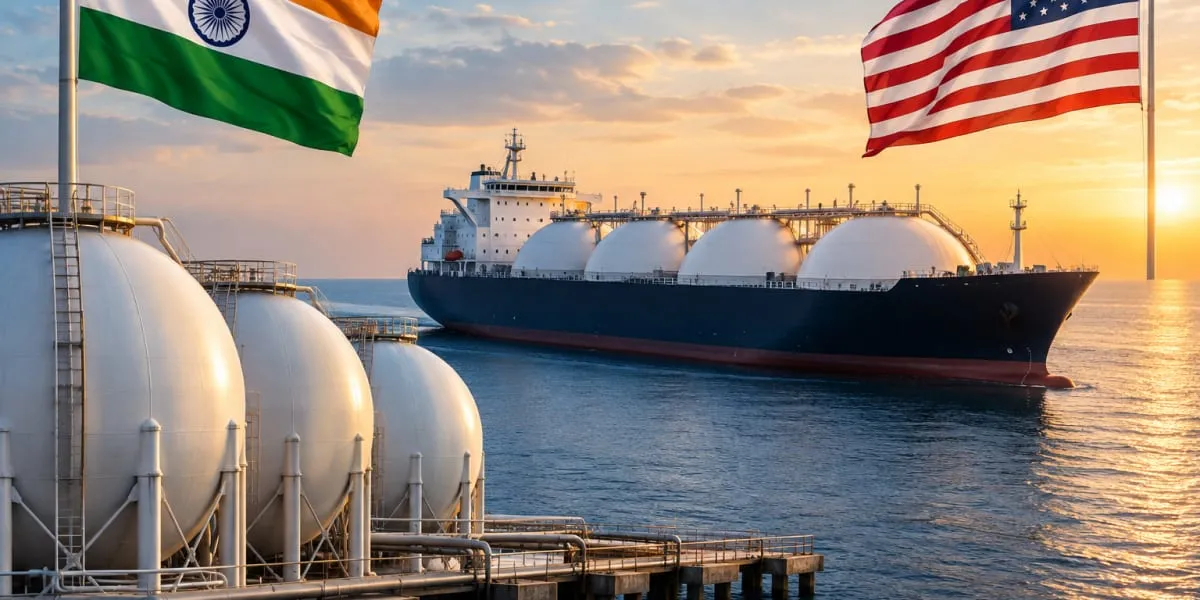
Indian state-run oil companies have awarded a joint tender to Saudi Aramco, Chevron, TotalEnergies Trading SA (Totsa) and Vitol for the import of about 2.75 mn t of US liquefied petroleum gas (LPG) in 2027. The contracts are intended to diversify supplies and reduce India’s reliance on the Middle East. Indian Oil, Bharat Petroleum and Hindustan Petroleum floated the tender in September. They sought four very large gas carrier (VLGC) cargoes each month on a delivered basis and one cargo each month on a free-on-board basis from the US. A VLGC typically carries about 46,000 t of LPG, which cons..

Advertisement

Subscribe to Our Newsletter

Get daily newsletters around different themes from Construction world.

STAY CONNECTED

Advertisement

SPECIAL OFFER
QR Code