Cabinet Clears Bill to Open Nuclear Power to Private Firms
POWER & RENEWABLE ENERGY

Cabinet Clears Bill to Open Nuclear Power to Private Firms

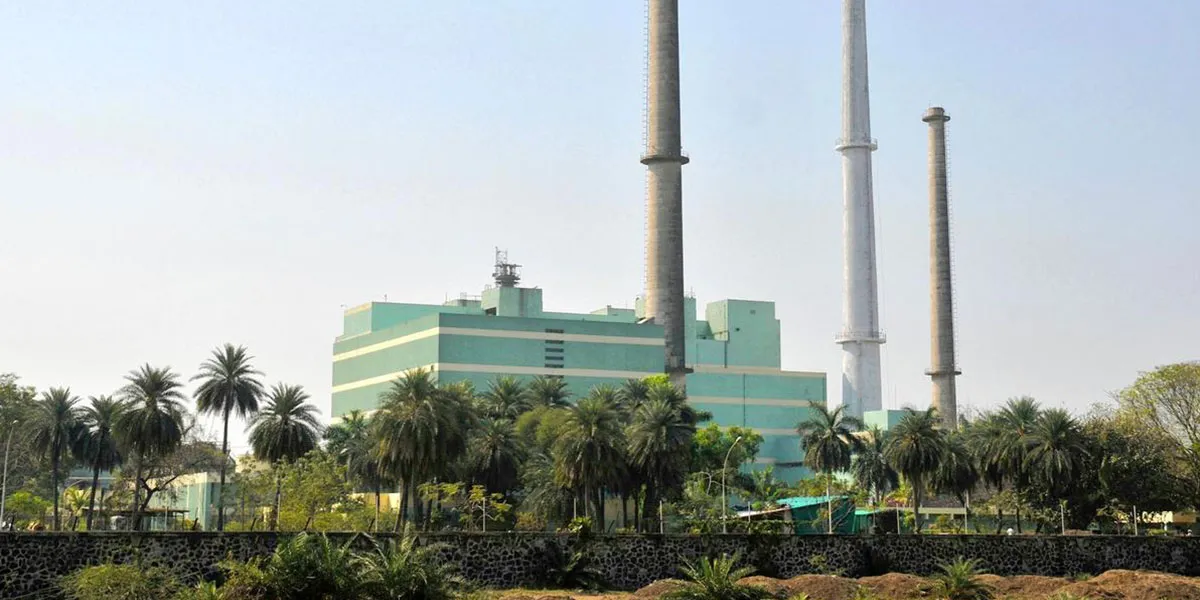
The Union Cabinet on Friday approved a Bill aimed at opening India’s tightly regulated civil nuclear power sector to private participation, as the country targets 100 GW of atomic energy capacity by 2047. The decision was taken at a meeting chaired by Prime Minister Narendra Modi.

The Cabinet is learnt to have cleared the Sustainable Harnessing and Advancement of Nuclear Energy for Transforming India (SHANTI) Bill, which seeks to create a policy and regulatory framework to enable private investment in nuclear power generation while strengthening India’s long-term energy security.

The move follows Finance Minister Nirmala Sitharaman’s announcement in the Union Budget in February, where she outlined plans to open up the nuclear power sector to private players. As part of this push, Sitharaman also unveiled a Nuclear Energy Mission focused on research and development of small modular reactors (SMRs).

The mission carries an outlay of Rs 200 billion and aims to operationalise five indigenously developed SMRs by 2033. These smaller reactors are expected to play a key role in expanding nuclear capacity in a cost-effective and scalable manner, supporting India’s clean energy transition.

The Union Cabinet on Friday approved a Bill aimed at opening India’s tightly regulated civil nuclear power sector to private participation, as the country targets 100 GW of atomic energy capacity by 2047. The decision was taken at a meeting chaired by Prime Minister Narendra Modi. The Cabinet is learnt to have cleared the Sustainable Harnessing and Advancement of Nuclear Energy for Transforming India (SHANTI) Bill, which seeks to create a policy and regulatory framework to enable private investment in nuclear power generation while strengthening India’s long-term energy security. The move follows Finance Minister Nirmala Sitharaman’s announcement in the Union Budget in February, where she outlined plans to open up the nuclear power sector to private players. As part of this push, Sitharaman also unveiled a Nuclear Energy Mission focused on research and development of small modular reactors (SMRs). The mission carries an outlay of Rs 200 billion and aims to operationalise five indigenously developed SMRs by 2033. These smaller reactors are expected to play a key role in expanding nuclear capacity in a cost-effective and scalable manner, supporting India’s clean energy transition.

Next Story
Infrastructure Urban

Powerplay Rolls Out Procurement-Linked Credit for Contractors

Powerplay has announced the launch of Powerplay Credit, a project-linked working capital solution aimed at easing cash flow pressures faced by contractors during active construction execution. The solution has gone live across key markets in South India, with a wider national rollout planned for 2026.The launch comes amid rising activity in India’s construction sector across infrastructure, housing, industrial corridors, renewable energy and urban redevelopment. Contractors executing large corporate and government projects often face extended payment cycles, stage-based billing and delayed r..

Next Story
Infrastructure Urban

Jyoti Structures Commissions Galvanisation at Second Nashik Unit

Jyoti Structures has commissioned galvanisation operations at its second tower manufacturing unit in Nashik, strengthening its in-house capabilities across critical stages of power transmission infrastructure production. The listed Engineering, Procurement and Construction (EPC) company operates globally and has delivered projects for customers across more than 50 countries.The second Nashik unit, with an annual manufacturing capacity of 36,000 metric tonnes, has become operational following the completion of installation, testing and readiness of the new galvanising facilities. With this deve..

Next Story
Infrastructure Energy

Rosatom Connects First Kursk NPP-2 Unit to National Grid

Rosatom has launched the first power unit of the Kursk Nuclear Power Plant-2 (Kursk NPP-2) into Russia’s Unified Energy System, marking a key milestone in the country’s nuclear energy programme. The initial grid connection took place at the end of the year, bringing a new source of low-carbon electricity online for the Kursk region and the broader Central Energy System.The newly commissioned unit is the first implementation of the VVER-TOI reactor design, which incorporates advanced safety and performance features. With an installed capacity of 1,250 MW, it is the most powerful nuclear pow..

Advertisement

Subscribe to Our Newsletter

Get daily newsletters around different themes from Construction world.

STAY CONNECTED

Advertisement

Advertisement

Advertisement

Advertisement

Open In App