+
COP28 goals could slash global emissions by 10 billion tonnes: IEA
POWER & RENEWABLE ENERGY

COP28 goals could slash global emissions by 10 billion tonnes: IEA

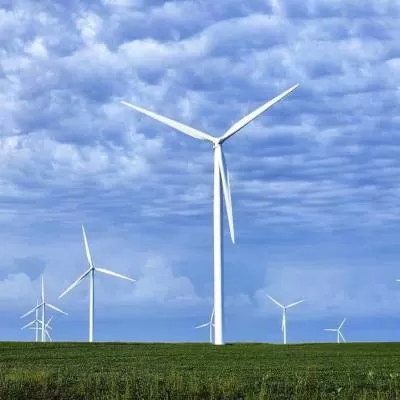
The International Energy Agency (IEA) has outlined a roadmap that could see global emissions cut by 10 billion tonnes by 2030 if nations implement key actions agreed upon at last year's COP28 summit in Dubai. During the recent United Nations General Assembly in New York, the IEA emphasised the potential of the COP28 goals, known as the UAE Consensus, to triple renewable energy capacity and double energy efficiency worldwide.

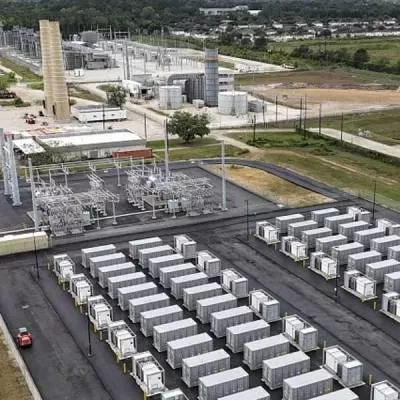
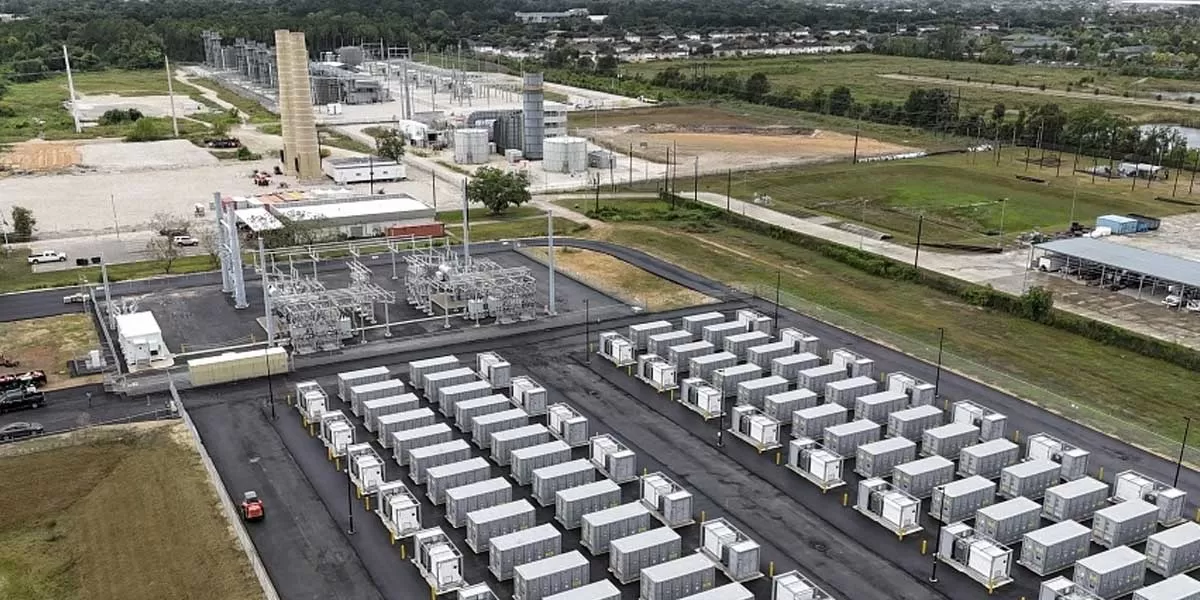
The IEA’s strategy calls for modernising 25 million kilometers of electricity grids and scaling energy storage to 1,500 gigawatts by 2030, including 1,200 gigawatts from battery storage. This represents a 15-fold increase in storage capacity, which is essential for managing the rise in renewable energy generation.

Fatih Birol, Executive Director, IEA  stressed the importance of swift action: ""The COP28 targets can be transformative, placing the global energy sector on a path to a secure, affordable, and sustainable future. The shift towards implementation is critical.""

Doubling energy efficiency by 2030 could reduce global energy costs by 10% and cut emissions by 6.5 billion tonnes, the IEA notes. However, this requires major policy changes, particularly in advanced economies, with a focus on electrification. For emerging economies, improving efficiency standards, especially in cooling systems, will be vital.

Achieving these goals would mark a significant step toward meeting the Paris Agreement's climate targets.

(ET)

The International Energy Agency (IEA) has outlined a roadmap that could see global emissions cut by 10 billion tonnes by 2030 if nations implement key actions agreed upon at last year's COP28 summit in Dubai. During the recent United Nations General Assembly in New York, the IEA emphasised the potential of the COP28 goals, known as the UAE Consensus, to triple renewable energy capacity and double energy efficiency worldwide.The IEA’s strategy calls for modernising 25 million kilometers of electricity grids and scaling energy storage to 1,500 gigawatts by 2030, including 1,200 gigawatts from battery storage. This represents a 15-fold increase in storage capacity, which is essential for managing the rise in renewable energy generation.Fatih Birol, Executive Director, IEA  stressed the importance of swift action: The COP28 targets can be transformative, placing the global energy sector on a path to a secure, affordable, and sustainable future. The shift towards implementation is critical.Doubling energy efficiency by 2030 could reduce global energy costs by 10% and cut emissions by 6.5 billion tonnes, the IEA notes. However, this requires major policy changes, particularly in advanced economies, with a focus on electrification. For emerging economies, improving efficiency standards, especially in cooling systems, will be vital.Achieving these goals would mark a significant step toward meeting the Paris Agreement's climate targets.(ET)

Related Stories

Gold Stories

Next Story
Infrastructure Urban

We must become equally good at making cities liveable

India’s cities are growing rapidly but the focus must now shift from building more to creating better places to live. Suresh Babu, Organising Secretary, National Convention of Architectural Engineers, discusses the need for integrated, inclusive and people-centric urban development, and the role of technology and architectural engineering in shaping future cities.What is the central idea behind the convention?India aspires to become a developed nation by 2047 and cities will be central to that transformation. But development cannot be measured only by taller buildings, wider roads or larger ..

Next Story
Infrastructure Urban

Insurance is not a cost; it is protection for the balance sheet

As infrastructure projects grow larger and more complex, their risk profiles are evolving beyond physical damage. Underinsurance, business interruption, supply-chain disruptions, climate volatility, surety and transactional exposures can all have significant financial consequences. Mohan Agrawal, Director and Business Lead - Construction, Infra & Warehousing, EDME Insurance Brokers, discusses these emerging risks and the gaps in conventional insurance practices in a conversation with KAVITA PARAB, CW. He explains why infrastructure players need to view insurance not merely as a cost, but a..

Next Story
Equipment

Optimising Earthmoving

Constituting India’s biggest fleet of construction equipment by type, earthmovers positively impact project outcomes and company bottomlines if best practices are adopted. Here’s a guide from CW.Select the right machineOne of the biggest challenges in using earthmovers isn’t machine failure but using the wrong machine configuration for the application, according to Chaitanya Bhagde, P&M Head, SHC Projects. “Unless equipment is deployed after considering the soil type, excavation depth, haul distance and production target, the application will face low productivity, longer time depl..

Advertisement

Subscribe to Our Newsletter

Get daily newsletters around different themes from Construction world.

STAY CONNECTED

Advertisement

SPECIAL OFFER
QR Code