Delhi Rooftop Solar Registrations Cross 100,000 in a Month
POWER & RENEWABLE ENERGY

Delhi Rooftop Solar Registrations Cross 100,000 in a Month

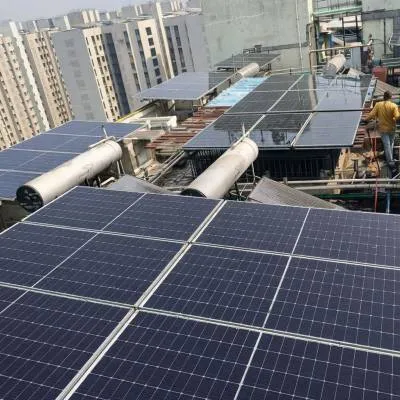
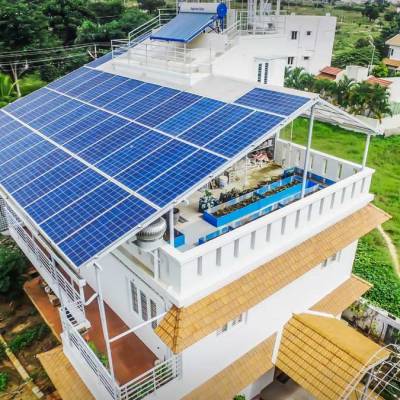
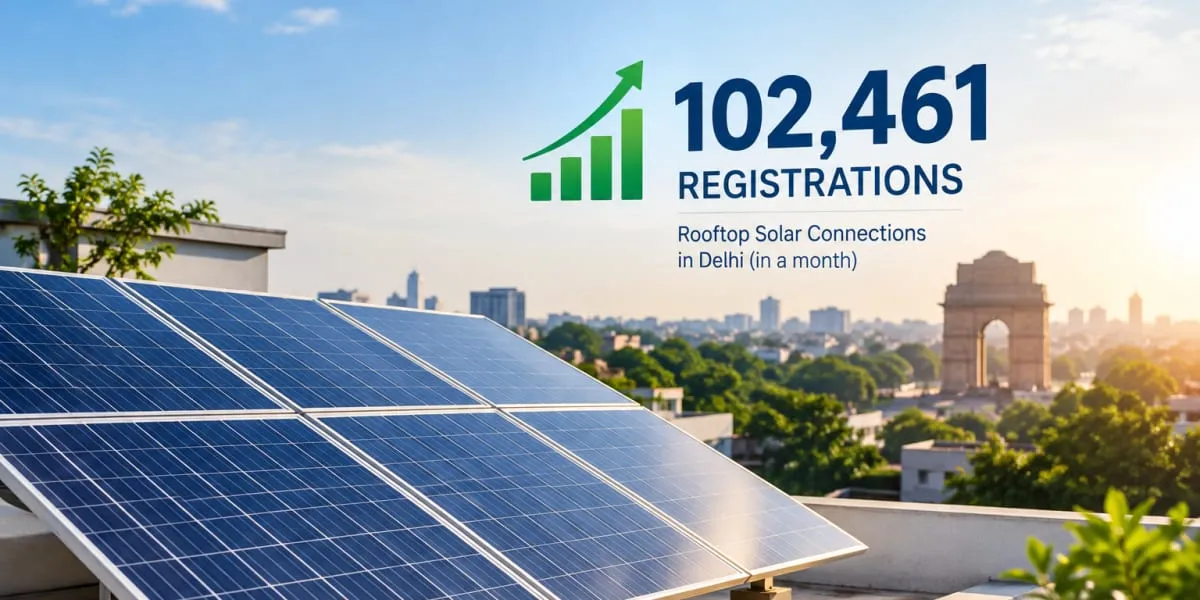
More than 100,000 power consumers in Delhi have registered for rooftop solar connections within a month of a dedicated portal being launched, with the latest figures recording 102,461 registrations up to October 21. The drive is part of the Delhi government’s plan to provide 230,000 free rooftop solar installations by March 2027.

Power Minister Ashish Sood described the registrations as a milestone in the city’s clean-energy efforts and credited Delhi’s residents for the response. He said the initiative was being supported by Prime Minister Narendra Modi’s leadership and the Pradhan Mantri Surya Ghar initiative, with the government seeking to make the city cleaner and more energy independent.

BSES Rajdhani Power, or BRPL, recorded the highest number of registrations at 37,168 across South and West Delhi. BSES Yamuna Power, or BYPL, reported 32,718 registrations in East and Central Delhi, while Tata Power Delhi Distribution, or TPDDL, recorded 32,575 in North and Northwest Delhi. Officials said the response was particularly strong in outer areas and industrial hubs such as Bawana and Narela, where larger rooftops and open spaces support higher-capacity installations.

The scheme, announced last month by Chief Minister Rekha Gupta, covers 230,000 free rooftop solar plants with a capacity of 3 kW each in its first phase. The Central government will provide a subsidy of Rs. 78,000, while the Delhi government will provide Rs. 30,000, with the state support set to rise to Rs. 78,000 through a one-time advance generation-based incentive.

Officials attributed the uptake to the combined subsidies, timely incentive payments and faster net-metering approvals. Group net-metering policies also enable residents of multi-storey apartments to share solar benefits, and Sood urged Resident Welfare Associations and housing societies to use the provisions. He said the government was streamlining digital processing and subsidy disbursal, while encouraging households, businesses and community leaders to adopt rooftop solar to reduce electricity costs and carbon emissions.

More than 100,000 power consumers in Delhi have registered for rooftop solar connections within a month of a dedicated portal being launched, with the latest figures recording 102,461 registrations up to October 21. The drive is part of the Delhi government’s plan to provide 230,000 free rooftop solar installations by March 2027. Power Minister Ashish Sood described the registrations as a milestone in the city’s clean-energy efforts and credited Delhi’s residents for the response. He said the initiative was being supported by Prime Minister Narendra Modi’s leadership and the Pradhan Mantri Surya Ghar initiative, with the government seeking to make the city cleaner and more energy independent. BSES Rajdhani Power, or BRPL, recorded the highest number of registrations at 37,168 across South and West Delhi. BSES Yamuna Power, or BYPL, reported 32,718 registrations in East and Central Delhi, while Tata Power Delhi Distribution, or TPDDL, recorded 32,575 in North and Northwest Delhi. Officials said the response was particularly strong in outer areas and industrial hubs such as Bawana and Narela, where larger rooftops and open spaces support higher-capacity installations. The scheme, announced last month by Chief Minister Rekha Gupta, covers 230,000 free rooftop solar plants with a capacity of 3 kW each in its first phase. The Central government will provide a subsidy of Rs. 78,000, while the Delhi government will provide Rs. 30,000, with the state support set to rise to Rs. 78,000 through a one-time advance generation-based incentive. Officials attributed the uptake to the combined subsidies, timely incentive payments and faster net-metering approvals. Group net-metering policies also enable residents of multi-storey apartments to share solar benefits, and Sood urged Resident Welfare Associations and housing societies to use the provisions. He said the government was streamlining digital processing and subsidy disbursal, while encouraging households, businesses and community leaders to adopt rooftop solar to reduce electricity costs and carbon emissions.

Related Stories

Gold Stories

Next Story
Real Estate

Landmark Group plans Rs 150 billion NCR expansion

Landmark Group has announced expansion plans across two real estate projects in the National Capital Region (NCR), with a combined estimated sales potential of Rs 150 billion. The projects include Landmark One, a 2.1 million sq ft corporate office development on Golf Course Extension Road in Gurugram, and a proposed integrated hospitality, commercial and residential development on Dwarka Expressway.Landmark One has an estimated sales value of Rs 40 billion. The project involves an estimated construction investment of Rs 10 billion, apart from the underlying land, currently valued at around Rs ..
Next Story
Real Estate

RMZ entities secure 5-Star ratings in GRESB 2026

RMZ has been recognised as a Global and Regional Sector Leader in the 2026 Global Real Estate Sustainability Benchmark (GRESB) Real Estate Development Assessment, with three of its entities scoring 99.6 out of 100. RMZ Nexus LLP, Millenia Realtors Private Limited and Infralogix LLP secured 5-Star ratings in their respective categories across the Office and Industrial sectors.In the 2026 Development Benchmark, RMZ Nexus LLP and Millenia Realtors Private Limited were named Sector Leaders in the Office and Office Non-Listed categories in Asia. Infralogix LLP received the distinction in the Indust..

Next Story
Products

Schneider Electric deploys smart building systems at Jupiter Hospitals

Schneider Electric has partnered with Jupiter Hospitals to deploy connected building technologies aimed at improving energy efficiency, patient comfort and operational performance across its hospital campus. The deployment of its EcoStruxure Building Operation platform and SpaceLogic thermostats is helping the hospital achieve energy savings of up to 28 per cent, according to the company.With heating, ventilation and air-conditioning (HVAC) systems accounting for nearly 60 per cent of the hospital's total energy consumption, improving efficiency while maintaining the conditions required for pa..

Advertisement

Subscribe to Our Newsletter

Get daily newsletters around different themes from Construction world.

STAY CONNECTED

Advertisement

SPECIAL OFFER
QR Code