+
Green Hydrogen Growth Hinges on Domestic Production and Consumption
POWER & RENEWABLE ENERGY

Green Hydrogen Growth Hinges on Domestic Production and Consumption

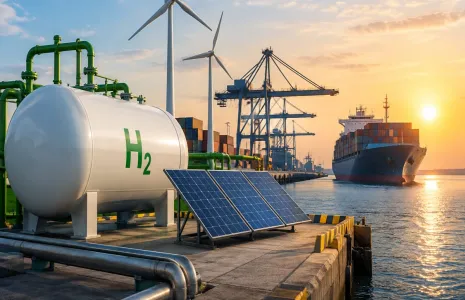
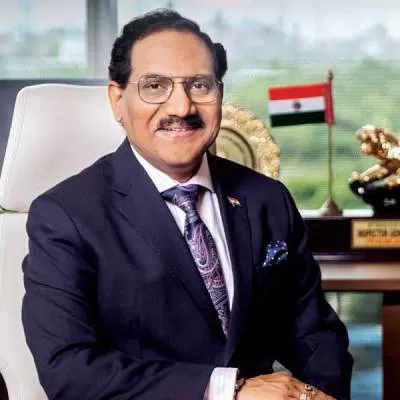
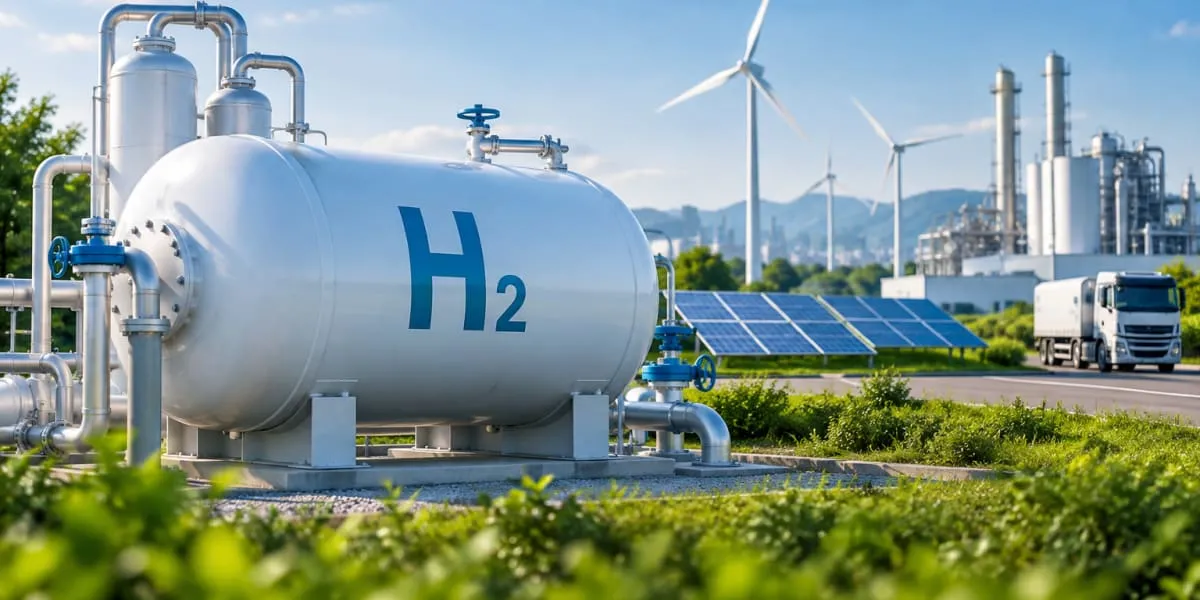
Union Minister Hardeep Singh Puri has emphasised that India’s green-hydrogen programme will depend on building domestic demand alongside production and consumption. The approach seeks to create a commercially sustainable market in which hydrogen is produced locally, used by Indian industries and supported by suitable infrastructure, while contributing to clean-energy transition, industrial decarbonisation and energy security.

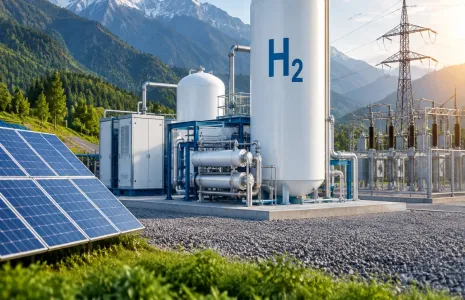
Developing reliable domestic demand is important because green hydrogen remains an emerging technology whose production costs are higher than those of conventional hydrogen derived from fossil fuels. A functioning market could give producers greater visibility over future purchases and encourage investment in electrolysers, renewable-energy capacity, storage, transport systems and related technologies. It could also help connect different parts of the value chain and support economies of scale.

India has identified green hydrogen as an option for reducing emissions in sectors where direct electrification is difficult. Refineries, fertiliser units, steelmakers, chemical producers and shipping companies have traditionally relied on fossil fuels or fossil-fuel-derived hydrogen. Replacing conventional hydrogen with hydrogen produced using renewable electricity could lower emissions, although adoption will depend on technology costs, infrastructure, regulations and competitively priced renewable power.

The National Green Hydrogen Mission provides the policy framework for developing the sector. It aims to support India as a major producer and supplier of green hydrogen while encouraging domestic consumption and manufacturing capabilities across renewable-energy generation, electrolyser production, hydrogen generation, storage, transportation and end-use applications.

Infrastructure will be essential for converting production plans into actual consumption. Hydrogen may need to be compressed, conditioned, stored and transported before reaching industrial users, requiring pipelines, refuelling facilities, storage systems and dedicated logistics networks in some applications. Export opportunities could supplement domestic demand, but a strong local market would help companies build capabilities, support industrial learning and create opportunities in equipment manufacturing, engineering, construction and technical services. Coordinated action by producers, industrial users, renewable-energy companies, manufacturers, financiers and policymakers will determine how quickly the sector progresses from early projects to large-scale deployment.

Union Minister Hardeep Singh Puri has emphasised that India’s green-hydrogen programme will depend on building domestic demand alongside production and consumption. The approach seeks to create a commercially sustainable market in which hydrogen is produced locally, used by Indian industries and supported by suitable infrastructure, while contributing to clean-energy transition, industrial decarbonisation and energy security. Developing reliable domestic demand is important because green hydrogen remains an emerging technology whose production costs are higher than those of conventional hydrogen derived from fossil fuels. A functioning market could give producers greater visibility over future purchases and encourage investment in electrolysers, renewable-energy capacity, storage, transport systems and related technologies. It could also help connect different parts of the value chain and support economies of scale. India has identified green hydrogen as an option for reducing emissions in sectors where direct electrification is difficult. Refineries, fertiliser units, steelmakers, chemical producers and shipping companies have traditionally relied on fossil fuels or fossil-fuel-derived hydrogen. Replacing conventional hydrogen with hydrogen produced using renewable electricity could lower emissions, although adoption will depend on technology costs, infrastructure, regulations and competitively priced renewable power. The National Green Hydrogen Mission provides the policy framework for developing the sector. It aims to support India as a major producer and supplier of green hydrogen while encouraging domestic consumption and manufacturing capabilities across renewable-energy generation, electrolyser production, hydrogen generation, storage, transportation and end-use applications. Infrastructure will be essential for converting production plans into actual consumption. Hydrogen may need to be compressed, conditioned, stored and transported before reaching industrial users, requiring pipelines, refuelling facilities, storage systems and dedicated logistics networks in some applications. Export opportunities could supplement domestic demand, but a strong local market would help companies build capabilities, support industrial learning and create opportunities in equipment manufacturing, engineering, construction and technical services. Coordinated action by producers, industrial users, renewable-energy companies, manufacturers, financiers and policymakers will determine how quickly the sector progresses from early projects to large-scale deployment.

Related Stories

Gold Stories

Next Story
Infrastructure Urban

Suzuki Targets 4 mn Units in India by FY30, Builds Global Hub

Suzuki Motor Corporation plans to raise annual production capacity in India to approximately 4 mn units from fiscal 2030, strengthening the country’s role as a manufacturing and export hub for its global operations. The Japanese car maker announced the target as part of its Technology Strategy 2026, which outlines its development and manufacturing priorities for the coming decade. The company also aims to improve development efficiency by 30 per cent from the FY20 level and manufacturing efficiency by 50 per cent by FY30. It plans to halve the lead time required to develop new vehicles by im..

Next Story
Infrastructure Transport

Ayodhya Airport to Add Flights to Delhi, Bengaluru and Mumbai

Ayodhya airport will get additional direct air services to Delhi and Bengaluru from October 1, followed by a daily non-stop connection to Mumbai from October 30. The existing IndiGo service to Hyderabad is also being prepared for conversion into a daily operation, widening travel options from the temple city. Passengers travelling to Delhi will have two direct options at different times of day from October 1. Akasa Air flight QP 1608 will depart Ayodhya at 12:50 pm and arrive in Delhi at 2:20 pm, while Air India Express flight IX 1274 will leave at 2:10 pm and reach the capital at 3:45 pm. Ind..

Next Story
Infrastructure Urban

Cement Prices Rise Again in Himachal Pradesh

Cement prices in Himachal Pradesh have increased for the second time this month, raising construction expenses for households, contractors and other consumers. Cement companies raised rates by Rs. 5 per bag on Friday, 10 days after a similar increase was implemented on September 15. The two revisions have lifted prices by a total of Rs. 10 per bag within 10 days. Dealers Pawan, Rohit, Manoj and Rakesh said the latest rates were being applied across the market, adding to the financial pressure on people building or renovating homes. ACC Suraksha cement is now priced at Rs. 425 per bag, compared..

Advertisement

Subscribe to Our Newsletter

Get daily newsletters around different themes from Construction world.

STAY CONNECTED

Advertisement

SPECIAL OFFER
QR Code