+
IEA Estimates ASEAN Power Demand to Grow 5.4 Per Cent by 2030
POWER & RENEWABLE ENERGY

IEA Estimates ASEAN Power Demand to Grow 5.4 Per Cent by 2030

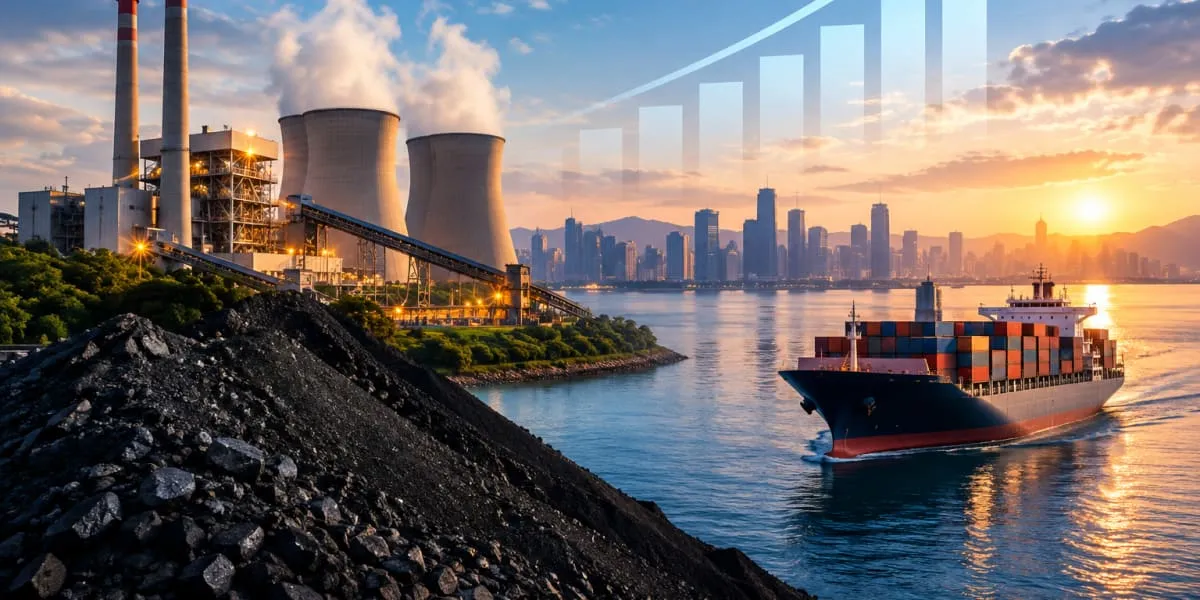
Southeast Asia’s electricity demand is projected to grow by an average 5.4 per cent annually between 2026 and 2030, while coal demand is expected to rise 4.4 per cent a year, according to the International Energy Agency (IEA). Cooling, data centres, industrial activity and wider electrification are driving consumption across the region.

The IEA’s ASEAN Energy Security Review said rising energy needs are increasing the region’s exposure to imported fuel disruptions and strategic shipping routes. LNG flows through the Strait of Hormuz fell close to 65 per cent year on year during the first eight months of 2026, while deliveries to ASEAN declined around 75 per cent. Despite elevated prices, regional LNG imports increased about 20 per cent as buyers turned to spot cargoes from the United States and Australia.

ASEAN’s energy demand has increased 40 per cent since 2015, while electricity demand has risen more than 60 per cent. Around 97 per cent of households have electricity access, putting the region on track for universal access by 2030. However, coal and oil each represented around 30 per cent of total energy supply in 2025, while natural gas accounted for close to one fifth.

The region’s dependence on fossil fuels is expected to remain significant. Coal demand is projected to record the world’s fastest growth through 2030, led by Indonesia and Viet Nam. Electricity generation accounts for about 75 per cent of coal use, while industrial demand is also supported by Indonesia’s nickel-processing sector and planned aluminium capacity in North Kalimantan.

The IEA also identified risks in critical mineral supply chains. ASEAN battery-cell manufacturing capacity rose from 16 GWh in 2023 to 26 GWh in 2024, with committed projects potentially taking capacity above 80 GWh by 2030. Indonesia’s nickel industry relies heavily on sulphur imports from the Middle East, while the Strait of Hormuz carries half of global seaborne sulphur trade. The agency recommended diversified supplies and transport routes, stronger emergency preparedness, regional cooperation, strategic stockholding and faster energy efficiency measures.

Southeast Asia’s electricity demand is projected to grow by an average 5.4 per cent annually between 2026 and 2030, while coal demand is expected to rise 4.4 per cent a year, according to the International Energy Agency (IEA). Cooling, data centres, industrial activity and wider electrification are driving consumption across the region. The IEA’s ASEAN Energy Security Review said rising energy needs are increasing the region’s exposure to imported fuel disruptions and strategic shipping routes. LNG flows through the Strait of Hormuz fell close to 65 per cent year on year during the first eight months of 2026, while deliveries to ASEAN declined around 75 per cent. Despite elevated prices, regional LNG imports increased about 20 per cent as buyers turned to spot cargoes from the United States and Australia. ASEAN’s energy demand has increased 40 per cent since 2015, while electricity demand has risen more than 60 per cent. Around 97 per cent of households have electricity access, putting the region on track for universal access by 2030. However, coal and oil each represented around 30 per cent of total energy supply in 2025, while natural gas accounted for close to one fifth. The region’s dependence on fossil fuels is expected to remain significant. Coal demand is projected to record the world’s fastest growth through 2030, led by Indonesia and Viet Nam. Electricity generation accounts for about 75 per cent of coal use, while industrial demand is also supported by Indonesia’s nickel-processing sector and planned aluminium capacity in North Kalimantan. The IEA also identified risks in critical mineral supply chains. ASEAN battery-cell manufacturing capacity rose from 16 GWh in 2023 to 26 GWh in 2024, with committed projects potentially taking capacity above 80 GWh by 2030. Indonesia’s nickel industry relies heavily on sulphur imports from the Middle East, while the Strait of Hormuz carries half of global seaborne sulphur trade. The agency recommended diversified supplies and transport routes, stronger emergency preparedness, regional cooperation, strategic stockholding and faster energy efficiency measures.

Related Stories

Gold Stories

Next Story
Real Estate

Adani begins construction of Dharavi rehabilitation homes

Construction of rehabilitation homes for eligible Dharavi residents has commenced at the 22-acre Matunga railway site, following a Bhoomi Poojan ceremony performed by Pranav Adani, Director, Adani Enterprises (AEL). The project, being implemented by Adani Navbharat Developers (ANDPL), envisages 10 towers comprising 10,432 rehabilitation apartments and 1,379 commercial and industrial units.Under the in-situ rehabilitation scheme, eligible residents will receive homes measuring 350 sq ft. Residents from Sectors 6 and 1 will be accommodated at Matunga first, followed by nearly 4,500 apartments fo..
Next Story
Equipment

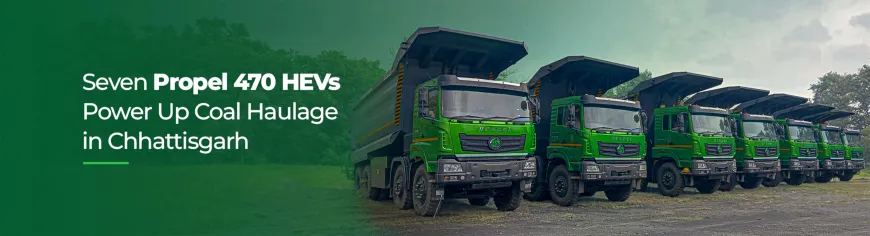
Seven Propel 470 HEV electric tippers go to work on coal haulage in Chhattisgarh

Propel EV, the electric mobility division of Propel Industries and India's No. 1 electric tipper brand, has deployed seven 470 HEV electric trucks with a leading coal-haulage contractor at one of India's largest opencast coal mines in Chhattisgarh. The trucks are in daily operation, moving coal on continuous haul cycles in one of the most demanding applications in Indian mining.Why Electric - and Why CoalCoal haulage runs round the clock: heavy loads, long haul cycles, steep ramps and abrasive dust. It is also where diesel hurts most. Engines run continuously, fuel is the largest single operat..
Next Story
Infrastructure Transport

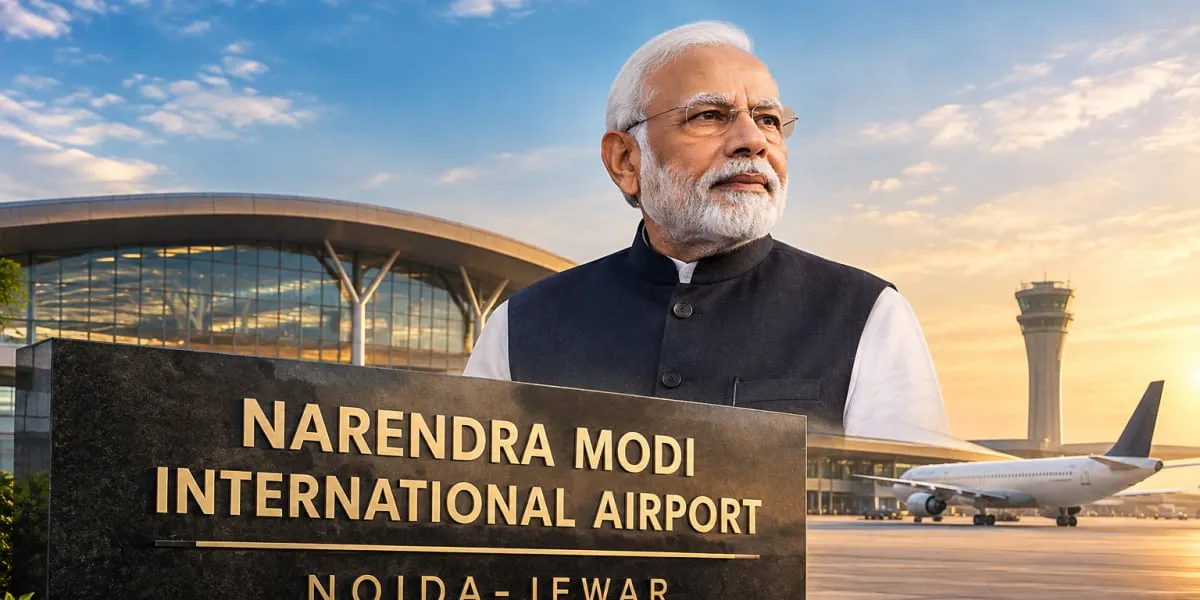
UP Cabinet Approves Renaming Jewar Airport After PM Modi

The Uttar Pradesh Cabinet has approved a proposal to rename Noida International Airport at Jewar as Narendra Modi International Airport, Noida-Jewar. Chief Minister Yogi Adityanath announced the decision after a Cabinet meeting, saying the airport represented a major contribution to the state and would become Uttar Pradesh’s largest airport and a significant aviation hub. The greenfield airport’s foundation stone was laid by Prime Minister Narendra Modi on November 25, 2021. He inaugurated Phase 1 on March 28, 2026, and commercial flights began on June 15. The facility is being developed a..

Advertisement

Subscribe to Our Newsletter

Get daily newsletters around different themes from Construction world.

STAY CONNECTED

Advertisement

SPECIAL OFFER
QR Code