India Accelerates Energy Storage Push for Reliable Renewable Power
POWER & RENEWABLE ENERGY

India Accelerates Energy Storage Push for Reliable Renewable Power

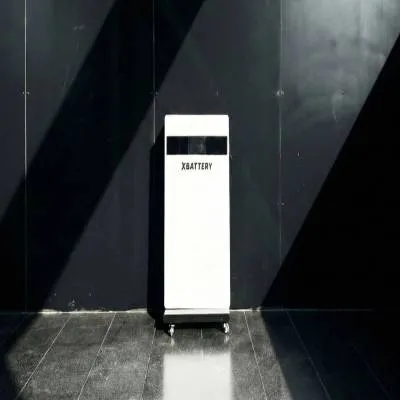
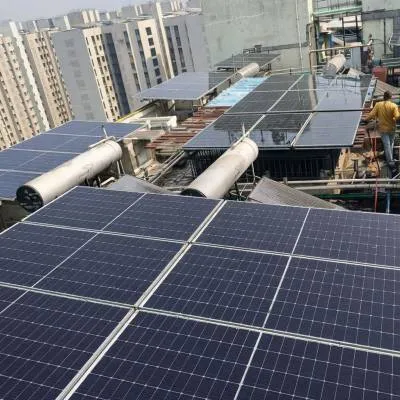
The Government of India has stepped up efforts to develop and deploy energy storage capacities to address renewable energy intermittency and ensure grid stability, as the country advances its clean energy transition. A coordinated mix of policy, regulatory, market and manufacturing measures is being implemented to promote Battery Energy Storage Systems (BESS) and Pumped Storage Projects (PSPs) as integral components of the power system.

Drawing on global best practices from countries with high renewable energy penetration, India is positioning energy storage to deliver critical ancillary services such as frequency control, voltage regulation, peak shifting, congestion management and black-start support. Under the Central Electricity Regulatory Commission (Ancillary Services) Regulations, 2022, energy storage systems have been made eligible to provide secondary and tertiary reserve services. Renewable Energy Management Centres and Automatic Generation Control mechanisms are also being deployed to support real-time grid balancing.

To guide large-scale deployment, the Central Electricity Authority has projected a requirement of around 336 GWh of storage capacity by 2029–30 and about 411 GWh by 2031–32. Energy storage has been embedded as a key resource in power sector planning through Resource Adequacy Plan guidelines issued in June 2023, alongside the National Electricity Plan.

Policy reforms include amendments to the Electricity Rules recognising energy storage as part of the power system, inclusion of storage in the harmonised infrastructure list to enable cheaper financing, and issuance of a National Framework for Promotion of Energy Storage Systems in September 2023. Safety and technical standards for BESS installations are also being strengthened through draft regulations.

On the demand and market side, waivers of inter-state transmission charges, tariff-based competitive bidding guidelines, and viability gap funding schemes covering about 43 GWh of BESS aim to improve project viability. Supply-side initiatives include a Rs 181 billion PLI scheme for advanced battery manufacturing and incentives for pumped storage development.

This information was shared by Shripad Yesso Naik, Minister of State for Power, in a written reply in the Lok Sabha.

The Government of India has stepped up efforts to develop and deploy energy storage capacities to address renewable energy intermittency and ensure grid stability, as the country advances its clean energy transition. A coordinated mix of policy, regulatory, market and manufacturing measures is being implemented to promote Battery Energy Storage Systems (BESS) and Pumped Storage Projects (PSPs) as integral components of the power system.Drawing on global best practices from countries with high renewable energy penetration, India is positioning energy storage to deliver critical ancillary services such as frequency control, voltage regulation, peak shifting, congestion management and black-start support. Under the Central Electricity Regulatory Commission (Ancillary Services) Regulations, 2022, energy storage systems have been made eligible to provide secondary and tertiary reserve services. Renewable Energy Management Centres and Automatic Generation Control mechanisms are also being deployed to support real-time grid balancing.To guide large-scale deployment, the Central Electricity Authority has projected a requirement of around 336 GWh of storage capacity by 2029–30 and about 411 GWh by 2031–32. Energy storage has been embedded as a key resource in power sector planning through Resource Adequacy Plan guidelines issued in June 2023, alongside the National Electricity Plan.Policy reforms include amendments to the Electricity Rules recognising energy storage as part of the power system, inclusion of storage in the harmonised infrastructure list to enable cheaper financing, and issuance of a National Framework for Promotion of Energy Storage Systems in September 2023. Safety and technical standards for BESS installations are also being strengthened through draft regulations.On the demand and market side, waivers of inter-state transmission charges, tariff-based competitive bidding guidelines, and viability gap funding schemes covering about 43 GWh of BESS aim to improve project viability. Supply-side initiatives include a Rs 181 billion PLI scheme for advanced battery manufacturing and incentives for pumped storage development.This information was shared by Shripad Yesso Naik, Minister of State for Power, in a written reply in the Lok Sabha.

Next Story
Building Material

Kumaraswamy Invites Envoys to Join Flagship Bharat Steel 2026

Union Minister for Steel and Heavy Industries, HD Kumaraswamy, held an interactive meeting with Ambassadors and diplomatic representatives of key partner countries, inviting them to actively participate in Bharat Steel 2026, the flagship international conference-cum-exhibition of the Ministry of Steel scheduled for April 2026.The meeting saw strong participation from representatives of countries that play a significant role in the global steel value chain. It formed part of the Ministry’s broader outreach efforts to deepen international cooperation and strengthen India’s engagement with ma..

Next Story
Infrastructure Transport

Centre Clears Rs 8.87 Bn Plan for World-class Mumbai Marina

The Union Government has approved a Rs 8.87 billion proposal to develop a world-class marina at Mumbai Harbour, a move expected to significantly boost coastal shipping, maritime tourism and waterfront-led urban development in India’s financial capital.The proposed ‘Viksit Bharat Mumbai Marina’ has been cleared by the Ministry of Ports, Shipping and Waterways in line with the vision of Prime Minister Narendra Modi to create global-standard tourism destinations and strengthen the country’s maritime economy. The project is designed to open up Mumbai’s waterfront for public use while att..

Next Story
Infrastructure Urban

Study Highlights Freshwater Sponges’ Role in Fighting Metal Pollution

Scientists have identified freshwater sponges and their associated microbial communities as powerful natural allies in tackling toxic metal pollution, offering new hope for sustainable water quality management. A recent study has revealed that these sponges can act both as bioindicators and effective absorbents of harmful metals such as arsenic, lead and cadmium.The findings come from a study published in Microbiology Spectrum by researchers from Bose Institute, an autonomous institute under the Department of Science and Technology, Government of India. The research focused on freshwater spong..

Advertisement

Subscribe to Our Newsletter

Get daily newsletters around different themes from Construction world.

STAY CONNECTED

Advertisement

Advertisement

Advertisement

Advertisement

Open In App