+
India Grid Needs Smarter Planning for 500 GW Renewable Target
POWER & RENEWABLE ENERGY

India Grid Needs Smarter Planning for 500 GW Renewable Target

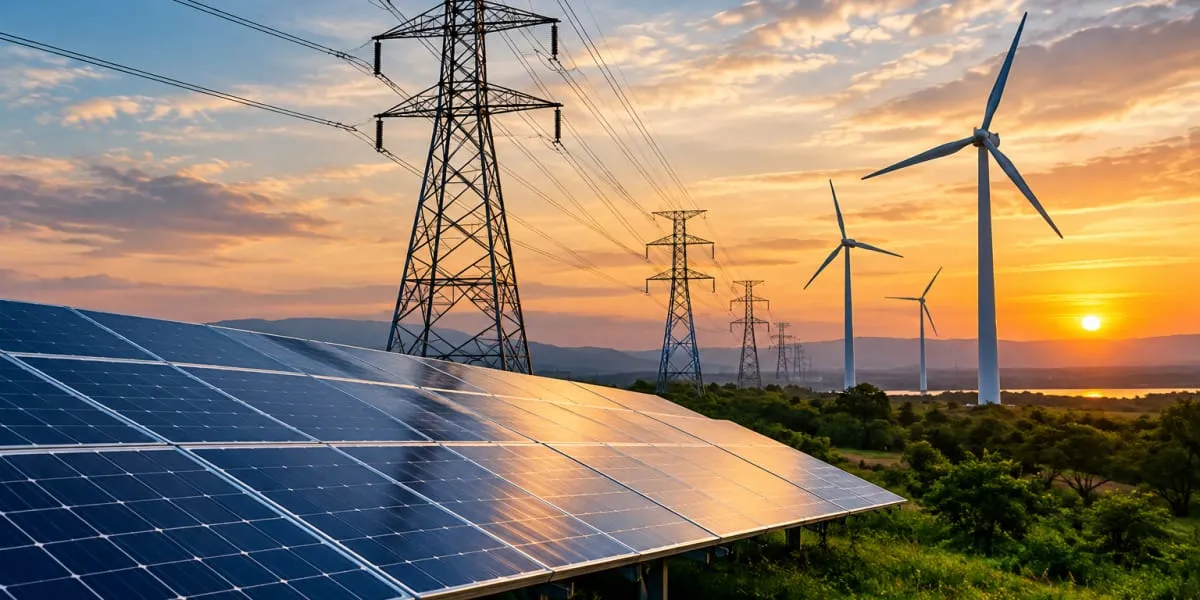
India’s power transmission network will require significant changes to support the country’s renewable energy ambitions and rising electricity demand, according to a report by management consulting firm Kearney. India is targeting 500 GW of renewable energy capacity by 2030, while peak electricity demand is projected to reach 459 GW by FY2036.

The report identifies five structural challenges for the transmission sector. These include weak coordination between central and state utilities, slower progress on transmission projects than renewable generation, and underutilisation of assets operated by the Central Transmission Utility. Allocating connectivity without adequately considering capacity utilisation factors can leave infrastructure underused and increase transmission charges.

Right-of-way constraints, lengthy regulatory approvals and supply chain limitations are also delaying projects. Land access, permissions and other clearances have left hundreds of circuit kilometres stalled, while shortages of transformers and high-voltage conductors have affected execution. Traditional construction practices are adding to project timelines, and limited digital adoption is restricting real-time visibility of grid conditions and changing power flows.

Kearney’s proposed five-pillar framework begins with network planning over 15 to 20 years, incorporating renewable generation, battery energy storage systems, pumped hydro storage and changing demand patterns. It also recommends improving asset utilisation through co-located storage, Flexible AC Transmission Systems and dynamic line-rating technologies.

The framework further calls for a corridor-based delivery model with pre-cleared national transmission corridors, standardised community compensation and time-bound approvals. Strategic procurement, multiyear equipment agreements, stronger domestic manufacturing and digital project management are proposed to reduce supply and construction risks. Digital Centres of Excellence, alongside wider deployment of real-time monitoring systems and phasor measurement units across state networks, would strengthen operational responsiveness and support a more flexible and resilient transmission system.

India’s power transmission network will require significant changes to support the country’s renewable energy ambitions and rising electricity demand, according to a report by management consulting firm Kearney. India is targeting 500 GW of renewable energy capacity by 2030, while peak electricity demand is projected to reach 459 GW by FY2036. The report identifies five structural challenges for the transmission sector. These include weak coordination between central and state utilities, slower progress on transmission projects than renewable generation, and underutilisation of assets operated by the Central Transmission Utility. Allocating connectivity without adequately considering capacity utilisation factors can leave infrastructure underused and increase transmission charges. Right-of-way constraints, lengthy regulatory approvals and supply chain limitations are also delaying projects. Land access, permissions and other clearances have left hundreds of circuit kilometres stalled, while shortages of transformers and high-voltage conductors have affected execution. Traditional construction practices are adding to project timelines, and limited digital adoption is restricting real-time visibility of grid conditions and changing power flows. Kearney’s proposed five-pillar framework begins with network planning over 15 to 20 years, incorporating renewable generation, battery energy storage systems, pumped hydro storage and changing demand patterns. It also recommends improving asset utilisation through co-located storage, Flexible AC Transmission Systems and dynamic line-rating technologies. The framework further calls for a corridor-based delivery model with pre-cleared national transmission corridors, standardised community compensation and time-bound approvals. Strategic procurement, multiyear equipment agreements, stronger domestic manufacturing and digital project management are proposed to reduce supply and construction risks. Digital Centres of Excellence, alongside wider deployment of real-time monitoring systems and phasor measurement units across state networks, would strengthen operational responsiveness and support a more flexible and resilient transmission system.

Related Stories

Gold Stories

Next Story
Infrastructure Urban

VECV Sales Rise 49.6% to 11,396 Units in September

VE Commercial Vehicles Ltd (VECV), a joint venture between Volvo Group and Eicher Motors, recorded sales of 11,396 units in September 2026, up 49.6 per cent from 7,619 units in September 2025.The total included 11,146 units under the Eicher brand and 250 units under the Volvo brand.Eicher-branded trucks and buses recorded sales of 11,146 units during the month, compared with 7,352 units in September 2025, registering growth of 51.6 per cent.In the domestic commercial vehicle market, Eicher trucks and buses reported sales of 10,479 units, up 57.5 per cent from 6,652 units in the corresponding p..

Next Story
Infrastructure Urban

"Agentic AI set to transform supply chain decision-making."

Interview with: Lalit Das, Founder & CEO, Agentra AIWhy the next phase of supply chain technology will be about AI that acts, not just advises?Supply chains no longer have a visibility problem. They have a decision-latency problem. It takes about 8.7 hours to detect a disruption and more than 40 more to understand its impact, all before anyone acts. Meanwhile, disruption costs the global economy an estimated $184 billion a year.Enterprises already own excellent systems of record. What they lack is a system of action. Copilots don't fix that, they just give faster answers about a broken pro..

Next Story
Real Estate

BNW Developments Opens Sydney Office to Target UAE Investors

BNW Developments has expanded its international presence with the opening of a new office in Sydney, Australia, aimed at strengthening engagement with Australian investors interested in the UAE residential property market.The Sydney office will serve as a local platform for investors, wealth advisers, brokerage firms and real estate professionals exploring opportunities in Dubai and Ras Al Khaimah.Headquartered in Dubai, BNW Developments has launched 13 projects and has another 16 projects in its pipeline, representing a combined gross development value of around AED 32 billion (USD 8.7 billio..

Advertisement

Subscribe to Our Newsletter

Get daily newsletters around different themes from Construction world.

STAY CONNECTED

Advertisement

SPECIAL OFFER
QR Code