India Plans Month Long Fuel Reserves To Boost Energy Security
POWER & RENEWABLE ENERGY

India Plans Month Long Fuel Reserves To Boost Energy Security

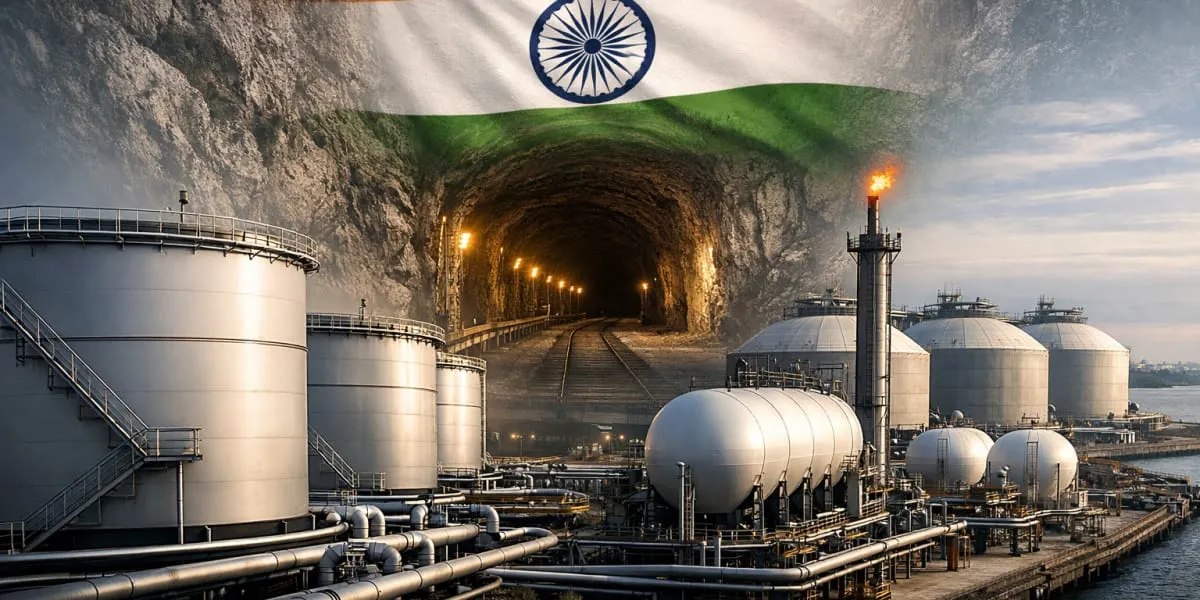
India plans strategic reserves of crude oil, liquefied petroleum gas and liquefied natural gas to meet up to one month of domestic demand and bolster energy security. The oil ministry has set up a committee to study locations, operating models and the split between overground and underground storage according to people briefed on the discussions. The group is examining underground caverns and surface tanks while coordinating with state refiners and terminal operators.

The nation was hit by disruptions in the Persian Gulf and near closure of the Strait of Hormuz and seeks to reduce reliance on Middle Eastern imports. New Delhi currently holds strategic crude reserves of about 39 million (mn) barrels, enough to cover around eight days of imports, while inventories held by refiners and fuel retailers can together meet more than 70 days of demand. Strategic capacity is being expanded with caverns on the east and west coasts and is expected to reach at least 120 million (mn) barrels in about five years.

Reserves of LPG and LNG are minimal because LPG must be stored under pressure and LNG requires super-cooled temperatures and stringent safety protocols. Long term LPG storage is around 140,000 tonne (t), primarily in underground rock caverns on the east and west coasts, and meets roughly two days of national consumption. The oil ministry has asked state run refiners to boost emergency LPG stockpiles and LNG importers are adding tanks while a draft policy would require terminal operators to hold 10 per cent more than normal operational needs.

During the Iran crisis India rationed diesel, LPG and gas and sought assistance from other Asian buyers that maintain LNG and LPG reserves. The effort follows moves by neighbours and partners in the region to bolster strategic storage and is described as an ambitious attempt to shield the country from future shocks. Japan and India are reported to be considering cooperation on LNG stockpiles and ministers could seek an agreement during bilateral talks.

"Join industry leaders at RAHSTA Expo, India's premier platform for roads, highways and traffic infrastructure. Register now to explore innovations, network with experts and shape the future of mobility."

India plans strategic reserves of crude oil, liquefied petroleum gas and liquefied natural gas to meet up to one month of domestic demand and bolster energy security. The oil ministry has set up a committee to study locations, operating models and the split between overground and underground storage according to people briefed on the discussions. The group is examining underground caverns and surface tanks while coordinating with state refiners and terminal operators. The nation was hit by disruptions in the Persian Gulf and near closure of the Strait of Hormuz and seeks to reduce reliance on Middle Eastern imports. New Delhi currently holds strategic crude reserves of about 39 million (mn) barrels, enough to cover around eight days of imports, while inventories held by refiners and fuel retailers can together meet more than 70 days of demand. Strategic capacity is being expanded with caverns on the east and west coasts and is expected to reach at least 120 million (mn) barrels in about five years. Reserves of LPG and LNG are minimal because LPG must be stored under pressure and LNG requires super-cooled temperatures and stringent safety protocols. Long term LPG storage is around 140,000 tonne (t), primarily in underground rock caverns on the east and west coasts, and meets roughly two days of national consumption. The oil ministry has asked state run refiners to boost emergency LPG stockpiles and LNG importers are adding tanks while a draft policy would require terminal operators to hold 10 per cent more than normal operational needs. During the Iran crisis India rationed diesel, LPG and gas and sought assistance from other Asian buyers that maintain LNG and LPG reserves. The effort follows moves by neighbours and partners in the region to bolster strategic storage and is described as an ambitious attempt to shield the country from future shocks. Japan and India are reported to be considering cooperation on LNG stockpiles and ministers could seek an agreement during bilateral talks.

Next Story
Infrastructure Urban

ABS Marine Sees CRISIL Credit Rating Upgrade

ABS Marine Services has secured an upgrade to its long term and short term credit ratings from CRISIL, reflecting improved profitability and revenue growth through long term contracts. CRISIL moved the long term rating from BBB+/Stable to A-/Stable and revised the short term rating from A2 to A2+. The action signals strengthened financial metrics and operational resilience. The company benefited from durable client relationships with firms such as ONGC and Schlumberger. The rating decision followed stronger cash flows and an enlarged bank loan facility, which increased from Rs 3,705 million (m..

Next Story
Infrastructure Transport

Project BRAHMANK Marks 16 Years Of Strategic Roads In Arunachal

Project BRAHMANK is marking 16 years of work to establish strategic road and bridge links across Arunachal Pradesh, maintaining and developing 811 kilometres of roads and nearly 86 bridges that range from small culverts to large steel and arch bridges. These transport links are described as critical for ensuring year-round movement of defence personnel, equipment and essential supplies while improving everyday travel for people in remote villages. The project balances national security requirements with regional development by focusing on reliable access in challenging terrain. Notable enginee..

Next Story
Infrastructure Transport

Longleng CSOs Give One Week Ultimatum Over Two-Lane Highway

Civil society organisations (CSOs) in Longleng district have demanded immediate restoration of the deteriorating Changtongya–Longleng two-lane road and sought a detailed status report on the stalled construction within one week. The demand followed a consultative meeting convened under the Phom Peoples' Council (PPC) to discuss welfare and development concerns. PPC president YB Angam Phom said prolonged non-maintenance had caused hardship to commuters and affected transportation, local commerce and the district's development. The meeting urged authorities to undertake immediate restoration a..

Advertisement

Subscribe to Our Newsletter

Get daily newsletters around different themes from Construction world.

STAY CONNECTED

Advertisement

Advertisement

Advertisement