Karnataka Plans 1,000 MW Solar Project with Battery Storage
POWER & RENEWABLE ENERGY

Karnataka Plans 1,000 MW Solar Project with Battery Storage

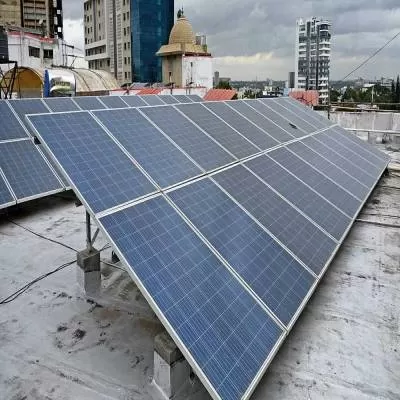
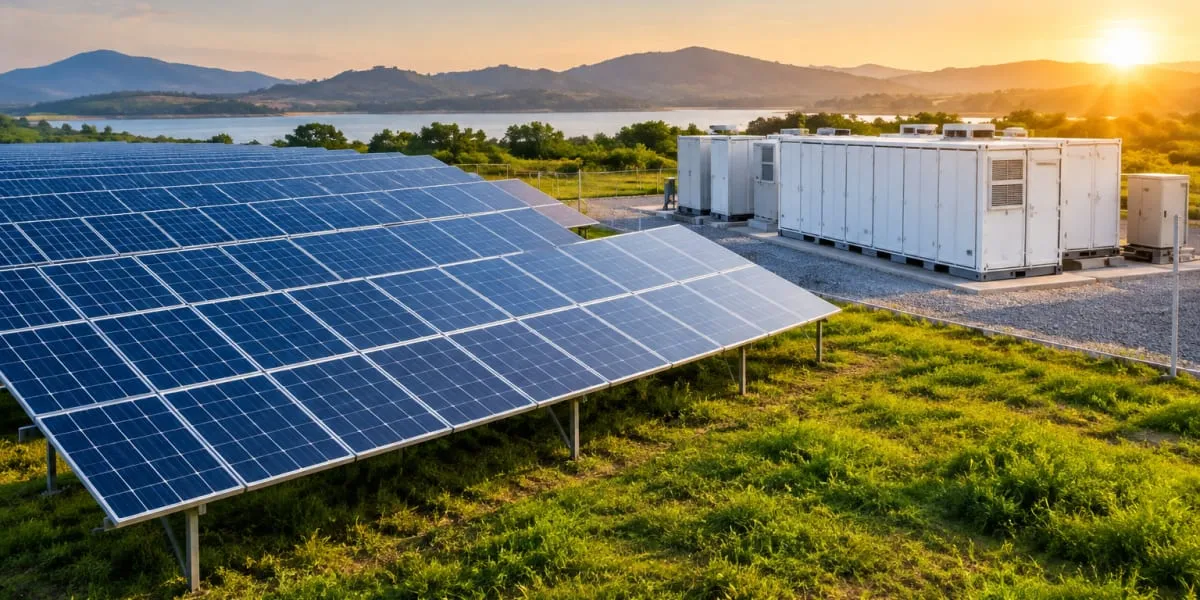
Karnataka plans to develop 1,000 MW of ground-mounted solar photovoltaic capacity integrated with a 2,000 MWh battery energy storage system (BESS), as electricity demand rises and concerns over water availability intensify. The state has also begun preparations to expand decentralised solar generation across 23 villages under the Centre’s PM Surya Ghar: Muft Bijli Yojana.

Karnataka Power Corporation (KPCL) has invited bids for the proposed solar-plus-storage project. The selected developer will identify and acquire or lease land, establish the facilities, and undertake their operation and maintenance. The storage system is designed to hold electricity generated during daylight hours for use when demand is higher or solar output is unavailable.

The project forms part of Karnataka’s wider effort to combine renewable generation with storage infrastructure. In February 2026, Karnataka Renewable Energy Development (KREDL) awarded Pace Digitek a project for a 250 MW solar plant integrated with a 250 MW/1,100 MWh BESS at Pavagada Solar Park in Tumakuru district.

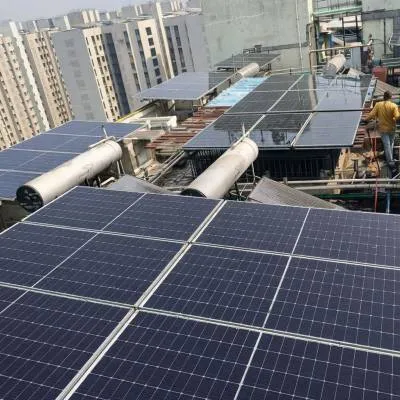
Separately, KREDL is seeking a consultant to prepare detailed project reports, bills of quantities, technical specifications and funding documents for 23 model solar villages. The villages are located across the Bengaluru, Belagavi and Kalaburagi revenue divisions, covering districts including Bengaluru Urban, Bengaluru Rural, Ramanagara, Chikkaballapura, Kolar, Tumakuru, Uttara Kannada, Shivamogga, Haveri, Vijayapura, Bagalkot, Dharwad, Belagavi, Kalaburagi, Raichur and Ballari.

The assessment will examine electricity demand and the scope for community solar installations, rooftop systems on public buildings, solar-powered street lighting and solar pumps for eligible community groups. It will also assess whether local renewable resources can meet demand throughout the day or enable net-zero electricity consumption over a year. Under the Model Solar Village component of PM Surya Ghar, each selected village is eligible for central assistance of Rs. 10 mn. KREDL is separately pursuing a 300 kW green hydrogen plant at KPCL’s premises in Ballari, with the contractor responsible for operation and maintenance for 10 years.

Karnataka plans to develop 1,000 MW of ground-mounted solar photovoltaic capacity integrated with a 2,000 MWh battery energy storage system (BESS), as electricity demand rises and concerns over water availability intensify. The state has also begun preparations to expand decentralised solar generation across 23 villages under the Centre’s PM Surya Ghar: Muft Bijli Yojana. Karnataka Power Corporation (KPCL) has invited bids for the proposed solar-plus-storage project. The selected developer will identify and acquire or lease land, establish the facilities, and undertake their operation and maintenance. The storage system is designed to hold electricity generated during daylight hours for use when demand is higher or solar output is unavailable. The project forms part of Karnataka’s wider effort to combine renewable generation with storage infrastructure. In February 2026, Karnataka Renewable Energy Development (KREDL) awarded Pace Digitek a project for a 250 MW solar plant integrated with a 250 MW/1,100 MWh BESS at Pavagada Solar Park in Tumakuru district. Separately, KREDL is seeking a consultant to prepare detailed project reports, bills of quantities, technical specifications and funding documents for 23 model solar villages. The villages are located across the Bengaluru, Belagavi and Kalaburagi revenue divisions, covering districts including Bengaluru Urban, Bengaluru Rural, Ramanagara, Chikkaballapura, Kolar, Tumakuru, Uttara Kannada, Shivamogga, Haveri, Vijayapura, Bagalkot, Dharwad, Belagavi, Kalaburagi, Raichur and Ballari. The assessment will examine electricity demand and the scope for community solar installations, rooftop systems on public buildings, solar-powered street lighting and solar pumps for eligible community groups. It will also assess whether local renewable resources can meet demand throughout the day or enable net-zero electricity consumption over a year. Under the Model Solar Village component of PM Surya Ghar, each selected village is eligible for central assistance of Rs. 10 mn. KREDL is separately pursuing a 300 kW green hydrogen plant at KPCL’s premises in Ballari, with the contractor responsible for operation and maintenance for 10 years.

Related Stories

Gold Stories

Next Story
Equipment

TIL Revenue Surges 143% to Rs 1.98 Billion in Q2 FY27

TIL Limited, a manufacturer of material handling and infrastructure equipment, has reported a 143 per cent year-on-year increase in consolidated revenue to Rs 1.98 billion for the second quarter of FY27, compared with Rs 814.5 million in the corresponding period last year. Consolidated EBITDA surged 433 per cent to Rs 173.7 million, while EBITDA margin improved to 8.8 per cent from 4 per cent.The performance was supported by equipment deliveries, defence contracts, aftermarket services and the contribution of Tulip Compression Private Limited (TCPL), which became a majority-owned subsidiary in..

Next Story
Infrastructure Transport

India to Develop Civil Aircraft Within Two Years, Build 100 Airports

India aims to develop its own civil aircraft within the next two years as it seeks to strengthen domestic aerospace capabilities and reduce dependence on foreign aircraft manufacturers, Civil Aviation Minister Ram Mohan Naidu said on November 12. He said the ambition extended beyond assembling aircraft to developing expertise in aircraft design and production. Speaking at the inaugural session of the Confederation of Indian Industry (CII) Partnership Summit 2026 in Visakhapatnam, Naidu said India wanted to establish itself as a major aerospace manufacturing hub. The government’s approach is ..

Next Story
Infrastructure Urban

Two Korean Firms to Invest Rs. 13.7 bn in Tamil Nadu

Two South Korean automotive component suppliers to Hyundai and Kia plan to invest a combined Rs. 13.7 bn in Tamil Nadu over the next five years, according to sources in the state industries department. The proposed investments come after a political dispute over the reported movement of some automotive investments to Andhra Pradesh. The state government has received letters of intent (LoIs) from Hwashin and Seoyon, while memorandums of understanding (MoUs) are expected to be signed shortly. Both companies communicated their investment plans in letters dated November 11, reaffirming their inten..

Advertisement

Subscribe to Our Newsletter

Get daily newsletters around different themes from Construction world.

STAY CONNECTED

Advertisement

SPECIAL OFFER
QR Code