KEI has been powering requirements across a wide spectrum of sectors
POWER & RENEWABLE ENERGY

KEI has been powering requirements across a wide spectrum of sectors

With existing network in over 55 countries, KEI has added few more to its bucket. Anil Gupta, CMD, KEI Industries, tells more about how KEI expects to leverage this to capture fresh opportunities in the exports segment, with a focus on both domestic and industrial cables and wires.

Tell us about KEI's footprint.
We have a robust distribution network with 1,800+ dealers and distributors, 16,000+ retailers and 200,000+ electricians connected with us through our loyalty program, KEI Connect. To ensure a great customer experience, we have around 36 branch offices and 22 depots across the country for uninterrupted service.

Globally, the company is present in 55+ countries. Our growth strategy in the overseas involves focusing on increasing sales in the existing countries out of exports.

Which sectors does KEI cater to?
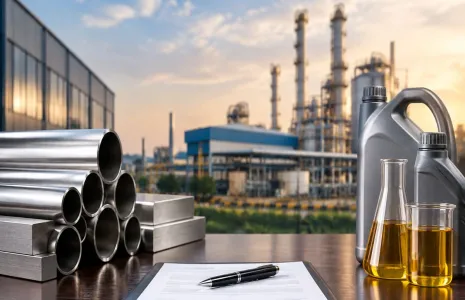
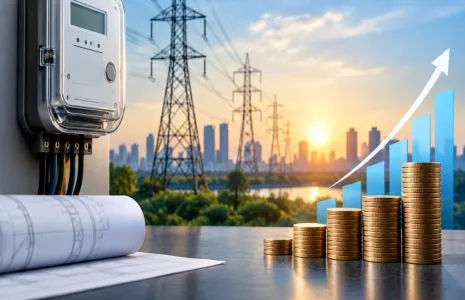
KEI has been powering requirements across a wide spectrum of sectors such as power, metro, mono rail, airports, oil and gas, telecommunications, ship building industries, and IT Parks over last five decades.

Our EPC Division offers end-to-end turnkey solutions including engineering, consultancy, and project management for EHV substations, transmission lines, underground cabling, and overhead lines. These services are being delivered across sectors of power, renewables, railways, refineries, petrochemicals, cement, and steel.

Tell us about your recent offerings.
Our recent offering for the real estate sector are communication cables, Fire alarm cables, and solar cables. Communication cables are used to transmit information using currents of various frequencies.

We offer CCTV, telephone cables, CAT 6 UTP cables, and co-axial cables. These cables are typically used for data transmission, Ethernet connections, electronic circuits and networking.

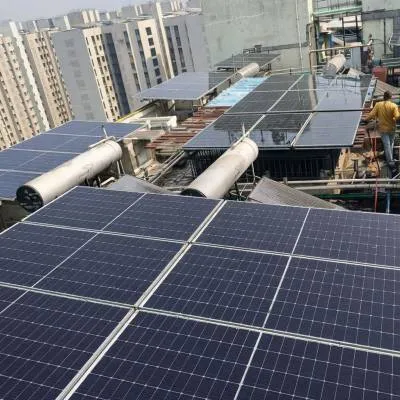
KEI PV Solar cables are designed for connecting photovoltaic power supply systems. These cables can be used indoors and outdoors for flexible and fixed installations with high mechanical strength in extreme weather conditions. They can withstand most environmental conditions that arise in any fixed, mobile, roof or architecturally integrated photovoltaic installation.

Talking about fire alarm cables, these cables are used in high rise buildings, commercial complexes, schools and educational institutions, and hospitals for the connection with security systems like smoke detectors, emergency lightings, exit signboards and fire command centre. These cables are used where the fire safety is utmost important.

Any expansion plans?
We have five state-of-the-art plants located across Rajasthan and Silvassa. We have added 25,400 km cables, 215,000 km house wires/WW and 1,800 MT stainless steel wire manufacturing capacity during FY 2021-22. More investments will be made over the next four to five years in capacity expansion to support future growth. This will involve greenfield projects for increasing plant capacity for LT, HT, and EHV cables. Additionally, debottlenecking projects in existing plants is also a focus.

Tell us about the R&D undertaken.
Our growth trajectory is considerably attributed to a wide product suite that enables us to serve customers across multiple sectors. Through a continuous focus on R&D, we remain committed to developing new and innovative products and improving our competitive edge in the industry.

The R&D facility, which includes an in-house NABL-accredited lab, is always focused on the creation of innovative products. Furthermore, our items have been tested in accordance with multiple international standards.

With existing network in over 55 countries, KEI has added few more to its bucket. Anil Gupta, CMD, KEI Industries, tells more about how KEI expects to leverage this to capture fresh opportunities in the exports segment, with a focus on both domestic and industrial cables and wires. Tell us about KEI's footprint. We have a robust distribution network with 1,800+ dealers and distributors, 16,000+ retailers and 200,000+ electricians connected with us through our loyalty program, KEI Connect. To ensure a great customer experience, we have around 36 branch offices and 22 depots across the country for uninterrupted service. Globally, the company is present in 55+ countries. Our growth strategy in the overseas involves focusing on increasing sales in the existing countries out of exports. Which sectors does KEI cater to? KEI has been powering requirements across a wide spectrum of sectors such as power, metro, mono rail, airports, oil and gas, telecommunications, ship building industries, and IT Parks over last five decades. Our EPC Division offers end-to-end turnkey solutions including engineering, consultancy, and project management for EHV substations, transmission lines, underground cabling, and overhead lines. These services are being delivered across sectors of power, renewables, railways, refineries, petrochemicals, cement, and steel. Tell us about your recent offerings. Our recent offering for the real estate sector are communication cables, Fire alarm cables, and solar cables. Communication cables are used to transmit information using currents of various frequencies. We offer CCTV, telephone cables, CAT 6 UTP cables, and co-axial cables. These cables are typically used for data transmission, Ethernet connections, electronic circuits and networking. KEI PV Solar cables are designed for connecting photovoltaic power supply systems. These cables can be used indoors and outdoors for flexible and fixed installations with high mechanical strength in extreme weather conditions. They can withstand most environmental conditions that arise in any fixed, mobile, roof or architecturally integrated photovoltaic installation. Talking about fire alarm cables, these cables are used in high rise buildings, commercial complexes, schools and educational institutions, and hospitals for the connection with security systems like smoke detectors, emergency lightings, exit signboards and fire command centre. These cables are used where the fire safety is utmost important. Any expansion plans? We have five state-of-the-art plants located across Rajasthan and Silvassa. We have added 25,400 km cables, 215,000 km house wires/WW and 1,800 MT stainless steel wire manufacturing capacity during FY 2021-22. More investments will be made over the next four to five years in capacity expansion to support future growth. This will involve greenfield projects for increasing plant capacity for LT, HT, and EHV cables. Additionally, debottlenecking projects in existing plants is also a focus. Tell us about the R&D undertaken. Our growth trajectory is considerably attributed to a wide product suite that enables us to serve customers across multiple sectors. Through a continuous focus on R&D, we remain committed to developing new and innovative products and improving our competitive edge in the industry. The R&D facility, which includes an in-house NABL-accredited lab, is always focused on the creation of innovative products. Furthermore, our items have been tested in accordance with multiple international standards.

Next Story
Resources

Jyoti Structures Launches Heat Safety Drive Across Sites

Jyoti Structures (JSL) has strengthened heat safety measures across its project sites and manufacturing facilities as temperatures rise across India. The company has implemented a Summer Safety Plan covering all transmission line projects to address risks related to heat stress, dehydration and worker fatigue.The initiative includes rescheduling work away from peak afternoon temperatures, provision of drinking water, ORS and lemon-salt solutions, and installation of rest shelters near work areas. Daily toolbox talks, worker health monitoring, first-aid preparedness, emergency transport arrange..

Next Story
Real Estate

MHADA Declares 82 Buildings Most Dangerous in Central and South Mumbai

The Maharashtra Housing and Area Development Authority (MHADA) has declared 82 buildings as most dangerous across Central and South Mumbai and has appealed to residents to vacate immediately. The list, prepared after structural assessments by the authority, identifies buildings judged to pose imminent risk to occupants and to passersby. Local civic bodies have been asked to coordinate evacuations and to make arrangements for temporary shelter and rehabilitation for displaced households. Officials said the authority prioritised buildings with visible structural distress, severe cracking, tiltin..

Next Story
Infrastructure Transport

Damage Reported At Halwara Airport Terminal After First Rains

Severe damage was reported at the terminal of Halwara Airport during the first major rain spell of the season, prompting immediate concern among aviation and local authorities. Images from the site showed water ingress and visible deterioration of the terminal interior, affecting passenger areas and ancillary services. The airport authority suspended certain operations temporarily to assess structural safety and ensure passenger wellbeing. Preliminary inspections have prioritised electrical systems and roof seals to prevent further water ingress. State aviation officials ordered a formal inqui..

Advertisement

Subscribe to Our Newsletter

Get daily newsletters around different themes from Construction world.

STAY CONNECTED

Advertisement

Advertisement

Advertisement