Ministry of Power issues draft electricity rules 2021
POWER & RENEWABLE ENERGY

Ministry of Power issues draft electricity rules 2021

The Draft Electricity (Promoting Renewable Energy Through Green Energy Open Access) Rules, 2021, has been released by the Ministry of Power (MoP). The deadline for feedback submission is 15 September 2021.

The rules apply to the purchase and consumption of renewable energy, including energy generated by waste to energy projects. Except for captive consumption, all consumers with contracted demand or sanctioned load of 100 kW or more are subject to the rule.

According to the draft rules, all obligated entities, such as distribution licensees (DISCOMs), open access consumers, and captive power consumers, would be subject to a uniform Renewable Purchase Obligation (RPO). Any entity, whether obligated or not, has the option of purchasing and consuming renewable energy based on their needs through one or more avenues.

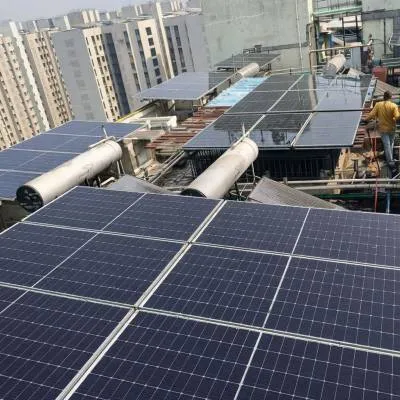
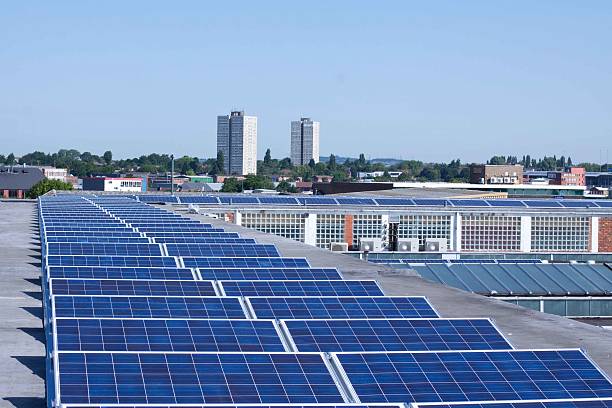
According to the draught rules, there is no capacity cap on behind the meter renewable energy power projects. The term behind the metre refers to electricity generated for personal use rather than to be fed into the power grid. DISCOMs are not obligated to buy this energy.

The Commercial and Industrial (C&I) consumer or a developer may install the power generating unit. A medium or long-term Power Purchase Agreement (PPA) can be reached between the consumer and the developer.

Renewable Energy Certificates can be purchased if the RPOs are met and the applicable regulations are followed. RPOs can come from anywhere as long as they follow the guidelines set forth by the government.

Image Source


Also read: ReNew Power signs PPA for 400 MW power supply

Also read: Govt issues detailed guidelines to revamp discoms

The Draft Electricity (Promoting Renewable Energy Through Green Energy Open Access) Rules, 2021, has been released by the Ministry of Power (MoP). The deadline for feedback submission is 15 September 2021. The rules apply to the purchase and consumption of renewable energy, including energy generated by waste to energy projects. Except for captive consumption, all consumers with contracted demand or sanctioned load of 100 kW or more are subject to the rule. According to the draft rules, all obligated entities, such as distribution licensees (DISCOMs), open access consumers, and captive power consumers, would be subject to a uniform Renewable Purchase Obligation (RPO). Any entity, whether obligated or not, has the option of purchasing and consuming renewable energy based on their needs through one or more avenues. According to the draught rules, there is no capacity cap on behind the meter renewable energy power projects. The term behind the metre refers to electricity generated for personal use rather than to be fed into the power grid. DISCOMs are not obligated to buy this energy. The Commercial and Industrial (C&I) consumer or a developer may install the power generating unit. A medium or long-term Power Purchase Agreement (PPA) can be reached between the consumer and the developer. Renewable Energy Certificates can be purchased if the RPOs are met and the applicable regulations are followed. RPOs can come from anywhere as long as they follow the guidelines set forth by the government. Image Source Also read: ReNew Power signs PPA for 400 MW power supply Also read: Govt issues detailed guidelines to revamp discoms

Next Story
Infrastructure Energy

Vedanta Aluminium Uses 1.57 bn Units of Green Energy in FY25

Vedanta Aluminium, India’s largest aluminium producer, recently reported consumption of 1.57 billion units of renewable energy in FY25, marking a significant milestone in its 2030 decarbonisation roadmap. The company also achieved an 8.96 per cent reduction in greenhouse gas (GHG) emissions intensity compared to FY21, reinforcing its leadership in India’s low-carbon manufacturing transition. During FY25, Vedanta Aluminium expanded its renewable energy portfolio through long-term power purchase agreements, strengthening its strategy to source nearly 1,500 MW of renewable power over the lon..

Next Story
Real Estate

Oberoi Group to Develop Luxury Resort at Makaibari Tea Estate

EIH Limited, the flagship company of The Oberoi Group, has announced the signing of a management agreement to develop an Oberoi luxury resort at the iconic Makaibari Tea Estate in Darjeeling. The project marks a key milestone in the Group’s long-term strategy of creating distinctive hospitality experiences in rare and environmentally significant locations. Established in 1859, Makaibari is one of the world’s oldest tea estates and is globally recognised for its Himalayan landscape, primary forests and exceptional biodiversity. Spread across 1,236 acres, the estate houses one of the world..

Next Story
Real Estate

GHV Infra Secures Rs 1.09 Bn EPC Order in Jamshedpur

GHV Infra Projects Ltd, a fast-growing EPC company in India’s infrastructure and construction sector, has recently secured a Rs 1.09 billion work order in Jamshedpur, Jharkhand. Awarded by a reputed group entity, the contract covers end-to-end civil construction, mechanical, electrical and plumbing (MEP) systems, along with high-quality finishing works for a large building development. The project will be executed over a 30-month period, with defined benchmarks for quality, safety and timely delivery. The order strengthens GHV Infra’s footprint in Jamshedpur, a key industrial hub known fo..

Advertisement

Subscribe to Our Newsletter

Get daily newsletters around different themes from Construction world.

STAY CONNECTED

Advertisement

Advertisement

Advertisement

Advertisement

Open In App