Non-fossil Fuels Exceed 50% as India’s Power Capacity hits 505 GW
POWER & RENEWABLE ENERGY

Non-fossil Fuels Exceed 50% as India’s Power Capacity hits 505 GW

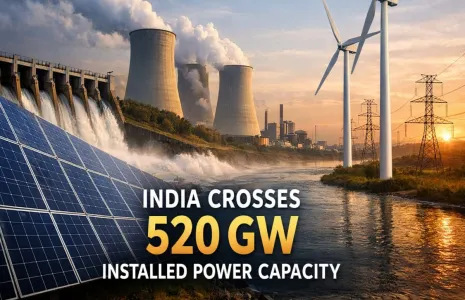
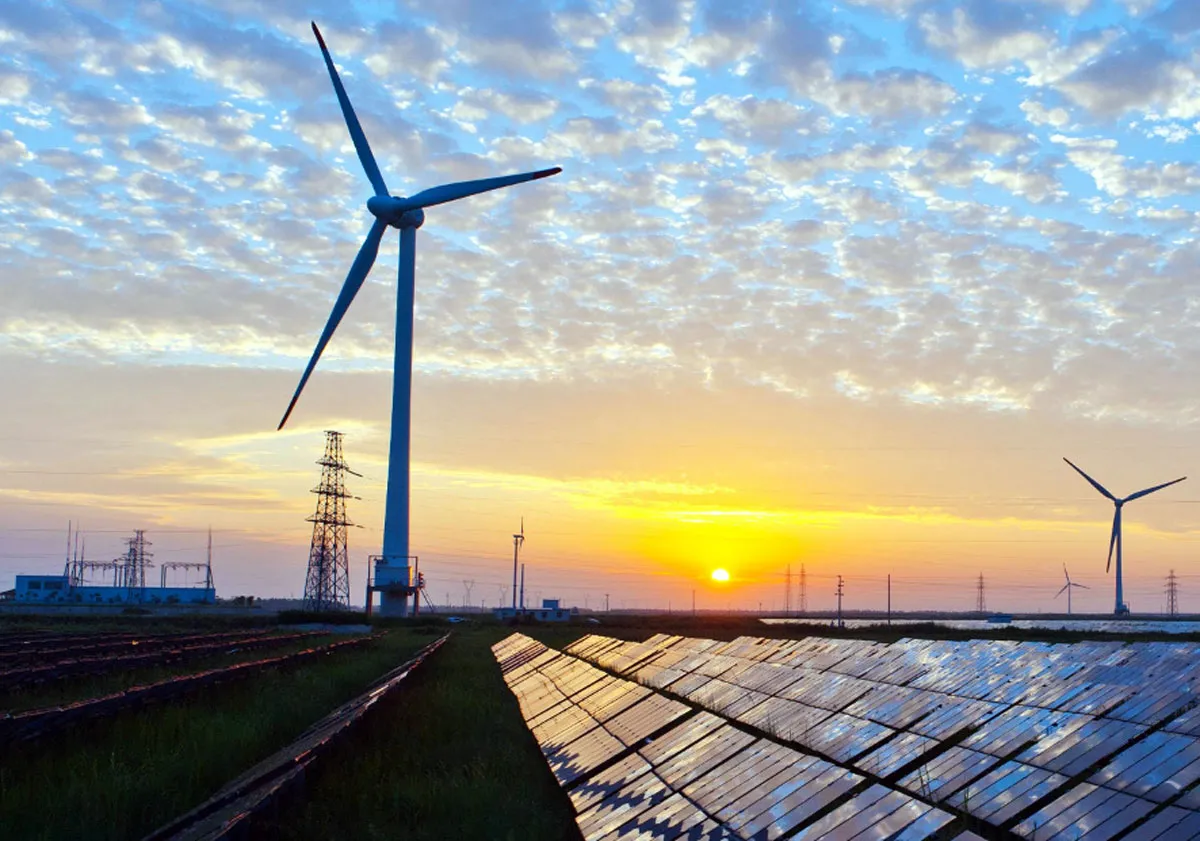
India has achieved a major milestone in its clean energy transition, with non-fossil fuel sources now contributing more than half of the country’s total installed power generation capacity. As on October 31, 2025, India’s total installed generation capacity stood at 5,05,023 MW, of which 2,59,423 MW is from non-fossil fuel sources, including 2,50,643 MW from renewable energy. Fossil-fuel-based capacity accounts for 2,45,600 MW.

This landmark achievement aligns with India’s commitment to reach 500 GW of non-fossil energy capacity by 2030 and reflects the impact of sustained policy support and infrastructure development. Notably, India crossed the 50% non-fossil installed capacity mark in June 2025—more than five years ahead of the timeline committed under its Nationally Determined Contributions (NDCs) to the Paris Agreement.

The Government of India has implemented a wide range of initiatives to accelerate renewable energy deployment. These include waiver of Inter-State Transmission System charges for solar and wind projects commissioned by June 30, 2025, green hydrogen projects till December 2030, and offshore wind projects till December 2032. Standard bidding guidelines and a bidding trajectory of 50 GW per year from FY 2023–24 to FY 2027–28 have been issued to ensure sustained capacity addition.

Further support measures include 100% foreign direct investment under the automatic route, expansion of transmission infrastructure under the Green Energy Corridor, and implementation of large-scale solar park and ultra-mega solar power schemes. Flagship programmes such as PM-KUSUM, PM Surya Ghar Muft Bijli Yojana, the National Green Hydrogen Mission and offshore wind VGF schemes are also driving adoption.

Renewable Purchase and Consumption Obligations have been notified till 2029–30 to boost clean energy usage, alongside incentives for domestic manufacturing through the Production Linked Incentive scheme for high-efficiency solar PV modules. Together, these efforts reinforce India’s long-term roadmap towards energy security, affordability and its net-zero emissions target by 2070.

India has achieved a major milestone in its clean energy transition, with non-fossil fuel sources now contributing more than half of the country’s total installed power generation capacity. As on October 31, 2025, India’s total installed generation capacity stood at 5,05,023 MW, of which 2,59,423 MW is from non-fossil fuel sources, including 2,50,643 MW from renewable energy. Fossil-fuel-based capacity accounts for 2,45,600 MW.This landmark achievement aligns with India’s commitment to reach 500 GW of non-fossil energy capacity by 2030 and reflects the impact of sustained policy support and infrastructure development. Notably, India crossed the 50% non-fossil installed capacity mark in June 2025—more than five years ahead of the timeline committed under its Nationally Determined Contributions (NDCs) to the Paris Agreement.The Government of India has implemented a wide range of initiatives to accelerate renewable energy deployment. These include waiver of Inter-State Transmission System charges for solar and wind projects commissioned by June 30, 2025, green hydrogen projects till December 2030, and offshore wind projects till December 2032. Standard bidding guidelines and a bidding trajectory of 50 GW per year from FY 2023–24 to FY 2027–28 have been issued to ensure sustained capacity addition.Further support measures include 100% foreign direct investment under the automatic route, expansion of transmission infrastructure under the Green Energy Corridor, and implementation of large-scale solar park and ultra-mega solar power schemes. Flagship programmes such as PM-KUSUM, PM Surya Ghar Muft Bijli Yojana, the National Green Hydrogen Mission and offshore wind VGF schemes are also driving adoption.Renewable Purchase and Consumption Obligations have been notified till 2029–30 to boost clean energy usage, alongside incentives for domestic manufacturing through the Production Linked Incentive scheme for high-efficiency solar PV modules. Together, these efforts reinforce India’s long-term roadmap towards energy security, affordability and its net-zero emissions target by 2070.

Next Story
Building Material

Kumaraswamy Invites Envoys to Join Flagship Bharat Steel 2026

Union Minister for Steel and Heavy Industries, HD Kumaraswamy, held an interactive meeting with Ambassadors and diplomatic representatives of key partner countries, inviting them to actively participate in Bharat Steel 2026, the flagship international conference-cum-exhibition of the Ministry of Steel scheduled for April 2026.The meeting saw strong participation from representatives of countries that play a significant role in the global steel value chain. It formed part of the Ministry’s broader outreach efforts to deepen international cooperation and strengthen India’s engagement with ma..

Next Story
Infrastructure Transport

Centre Clears Rs 8.87 Bn Plan for World-class Mumbai Marina

The Union Government has approved a Rs 8.87 billion proposal to develop a world-class marina at Mumbai Harbour, a move expected to significantly boost coastal shipping, maritime tourism and waterfront-led urban development in India’s financial capital.The proposed ‘Viksit Bharat Mumbai Marina’ has been cleared by the Ministry of Ports, Shipping and Waterways in line with the vision of Prime Minister Narendra Modi to create global-standard tourism destinations and strengthen the country’s maritime economy. The project is designed to open up Mumbai’s waterfront for public use while att..

Next Story
Infrastructure Urban

Study Highlights Freshwater Sponges’ Role in Fighting Metal Pollution

Scientists have identified freshwater sponges and their associated microbial communities as powerful natural allies in tackling toxic metal pollution, offering new hope for sustainable water quality management. A recent study has revealed that these sponges can act both as bioindicators and effective absorbents of harmful metals such as arsenic, lead and cadmium.The findings come from a study published in Microbiology Spectrum by researchers from Bose Institute, an autonomous institute under the Department of Science and Technology, Government of India. The research focused on freshwater spong..

Advertisement

Subscribe to Our Newsletter

Get daily newsletters around different themes from Construction world.

STAY CONNECTED

Advertisement

Advertisement

Advertisement

Advertisement

Open In App