NTPC Begins Drilling India’s First CO₂ Injection Borewell
POWER & RENEWABLE ENERGY

NTPC Begins Drilling India’s First CO₂ Injection Borewell

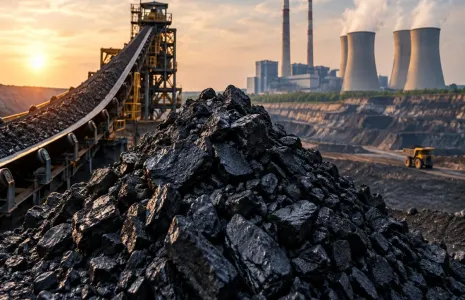
NTPC Ltd has commenced drilling for India’s first-ever carbon dioxide (CO₂) injection borewell at its Pakri Barwadih coal mine in Jharkhand, marking a significant milestone in the nation’s transition towards clean energy.

The initiative, led by NTPC’s research and development wing, NETRA (NTPC Energy Technology Research Alliance), forms a crucial part of India’s Carbon Capture, Utilisation and Storage (CCUS) roadmap, aligned with the country’s net-zero target for 2070.

In a statement, NTPC said, “The company has achieved an important milestone in the nation’s clean energy transition by commencing drilling for the country’s first-ever CO₂ Injection Borewell at its Pakri Barwadih Coal Mine, Jharkhand.”

The borewell will reach an approximate depth of 1,200 metres, aimed at gathering geological and reservoir data essential for developing a safe and efficient CO₂ storage system. The process involves core, methane, and water sampling, as well as seismic monitoring and simulation studies to determine the rock formations’ long-term carbon storage potential.

This first-of-its-kind project is a cornerstone of NTPC’s carbon capture, utilisation, and storage (CCUS) programme, designed to build indigenous CCS capability suited for deployment across India’s power and industrial sectors.

The initiative reinforces NTPC’s leadership in sustainable energy innovation, with a clear focus on reducing emissions and accelerating India’s decarbonisation efforts.

NTPC, India’s largest integrated power utility, currently contributes one-fourth of the nation’s electricity supply, with an installed capacity exceeding 84 GW and another 30.9 GW under construction, including 13.3 GW of renewable capacity. The company is targeting 60 GW of renewable energy by 2032, further strengthening India’s march towards net-zero emissions.

NTPC Ltd has commenced drilling for India’s first-ever carbon dioxide (CO₂) injection borewell at its Pakri Barwadih coal mine in Jharkhand, marking a significant milestone in the nation’s transition towards clean energy. The initiative, led by NTPC’s research and development wing, NETRA (NTPC Energy Technology Research Alliance), forms a crucial part of India’s Carbon Capture, Utilisation and Storage (CCUS) roadmap, aligned with the country’s net-zero target for 2070. In a statement, NTPC said, “The company has achieved an important milestone in the nation’s clean energy transition by commencing drilling for the country’s first-ever CO₂ Injection Borewell at its Pakri Barwadih Coal Mine, Jharkhand.” The borewell will reach an approximate depth of 1,200 metres, aimed at gathering geological and reservoir data essential for developing a safe and efficient CO₂ storage system. The process involves core, methane, and water sampling, as well as seismic monitoring and simulation studies to determine the rock formations’ long-term carbon storage potential. This first-of-its-kind project is a cornerstone of NTPC’s carbon capture, utilisation, and storage (CCUS) programme, designed to build indigenous CCS capability suited for deployment across India’s power and industrial sectors. The initiative reinforces NTPC’s leadership in sustainable energy innovation, with a clear focus on reducing emissions and accelerating India’s decarbonisation efforts. NTPC, India’s largest integrated power utility, currently contributes one-fourth of the nation’s electricity supply, with an installed capacity exceeding 84 GW and another 30.9 GW under construction, including 13.3 GW of renewable capacity. The company is targeting 60 GW of renewable energy by 2032, further strengthening India’s march towards net-zero emissions.

Next Story
Infrastructure Transport

India Becomes First to Produce Bio-Bitumen for Roads

India has become the first country in the world to commercially produce bio-bitumen for use in road construction, according to Road, Transport and Highways Minister Nitin Gadkari. Bitumen, a black and viscous hydrocarbon derived from crude oil, is a key binding material in road building, and the bio-based alternative is expected to significantly improve the sector’s environmental footprint.Addressing the CSIR Technology Transfer Ceremony in New Delhi, Mr Gadkari congratulated Council of Scientific and Industrial Research on achieving the milestone, noting that the initiative would help curb ..

Next Story
Infrastructure Urban

HILT Policy Seen Boosting Telangana Revenue Sharply

The Hyderabad Industrial Land Transformation (HILT) Policy is expected to generate around Rs 1.08 billion in revenue for the Telangana state exchequer, according to Deputy Chief Minister Bhatti Vikramarka Mallu. Speaking in the Telangana Legislative Assembly, he said the policy would be implemented within a six-month timeframe in a transparent manner, with uniform rules applicable to all stakeholders. Mr Vikramarka noted that without the HILT Policy, the state would have earned only about Rs 1.2 million per acre. Under the new framework, however, revenue is projected to rise sharply to Rs 70 ..

Next Story
Infrastructure Urban

India Post, MoRD Tie Up to Boost Rural Inclusion

The Department of Posts and the Ministry of Rural Development have signed a Memorandum of Understanding to accelerate rural transformation and expand financial, digital and logistics services for Self-Help Groups (SHGs) and rural households across India. The agreement was signed in the presence of Union Minister of Communications and Development of North Eastern Region Jyotiraditya M. Scindia and Union Minister of Rural Development and Agriculture and Farmers’ Welfare Shivraj Singh Chouhan. The collaboration aligns with the government’s “Dak Sewa, Jan Sewa” vision and seeks to repositi..

Advertisement

Subscribe to Our Newsletter

Get daily newsletters around different themes from Construction world.

STAY CONNECTED

Advertisement

Advertisement

Advertisement

Advertisement

Open In App